The Geopolitical Theater of the Non-Event
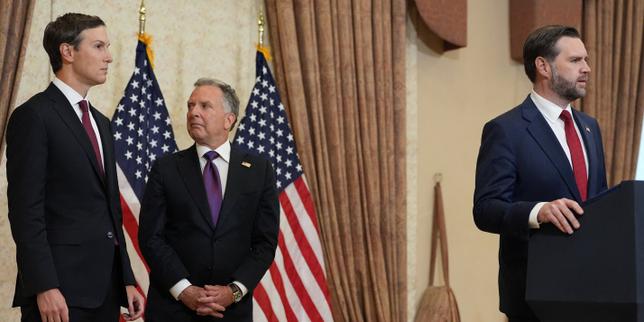
Mainstream media is currently obsessed with the "cancellation" of Steve Witkoff and Jared Kushner’s trip to Pakistan. The headlines treat it like a diplomatic failure or a sudden cooling of Middle Eastern and South Asian relations. This is a shallow reading of a complex board.
In the world of high-stakes backchanneling, a public cancellation is often more effective than a private meeting. It signals a shift in leverage. It tells the host nation that their current value proposition isn't high enough to warrant the optics of a visit. By pulling the plug on Witkoff and Kushner—two figures who represent the bridge between private capital and executive foreign policy—the Trump administration is performing a strategic ghosting.
This isn't a retreat. It’s a pricing adjustment.
The Myth of Diplomatic Consistency
The "lazy consensus" suggests that diplomacy requires constant presence. If you aren't at the table, you're losing. That logic is exactly how countries like Pakistan have historically played the United States for decades, extracting aid and concessions while maintaining a double-sided relationship with regional rivals.
Witkoff and Kushner are not career State Department officials. They don't care about "deepening ties" for the sake of a press release. They care about deals. Specifically, they care about the Abraham Accords logic: normalizing relations through economic integration and hard-nosed security guarantees.
If the trip was scrapped, it means the "deal" wasn't ready.
Imagine a scenario where a private equity firm cancels a due diligence site visit at the eleventh hour. The market panics, assuming the deal is dead. In reality, the firm found a discrepancy in the books and is waiting for the target company to sweat. Pakistan is the target company. The U.S. is the firm.
Islamabad Is No Longer the Pivot Point
For twenty years, the American foreign policy establishment acted as if the road to Middle East stability ran through Islamabad. This was a fundamental misunderstanding of the changing map.
The new architecture of the Middle East is built on the Tel Aviv-Riyadh-Abu Dhabi axis. Pakistan, once the essential nuclear-armed middleman, is finding itself sidelined. Kushner’s absence is a cold reminder that Pakistan’s traditional role as a gatekeeper to regional peace is depreciating.
- The Debt Trap: Pakistan is drowning in Chinese debt.
- The Radical Margin: Internal instability makes them a risky partner for the "Business First" diplomacy of the current administration.
- The Alternative: India is the preferred regional heavyweight for American tech and defense interests.
When the media asks, "What does this mean for the peace process?" they are asking the wrong question. They should be asking, "How much does Pakistan have to concede to get back on the schedule?"
The Witkoff Variable
Steve Witkoff’s inclusion in these delegations is the most ignored piece of the puzzle. He isn't a policy wonk; he is a real estate mogul. His presence suggests that the "peace" being brokered isn't just about borders—it’s about infrastructure, luxury development, and sovereign wealth investment.
Canceling a trip involving a real estate developer sends a very specific message to the Pakistani elite: The investment capital is staying home. This is "Realpolitik 2.0." It’s the weaponization of the American private sector. By withholding the visit, the administration isn't just withholding a handshake; they are withholding a potential economic lifeline.
The Fallacy of the "Last Minute" Conflict
Critics point to the escalating "Middle East War" mentioned in the competitor headlines as the reason for the cancellation. They claim the region is too volatile for such a trip.
This is a fundamental misunderstanding of how this specific group operates. Conflict doesn't stop these players; it creates the vacuum they fill. They thrive on volatility because it lowers the entry price for long-term influence.
The real reason for the delay isn't the war. It’s the lack of a clear win. In the "Art of the Deal" school of diplomacy, you never show up to a meeting where you aren't the one dictating the terms. If Kushner and Witkoff aren't landing in Islamabad, it’s because the Pakistani government hasn't yet agreed to a specific, high-value demand.
Redefining the "People Also Ask"
The public wants to know: Is the U.S. abandoning Pakistan?
The honest answer: No, but it is demoting them. Pakistan is being moved from "Essential Ally" to "Transactional Vendor." If the vendor doesn't provide the right goods at the right price, the buyer walks.
The public asks: Does this hurt the peace process?
The truth: There is no "peace process" in the 1990s sense of the word. There is only a series of bilateral trade and security agreements. If Pakistan isn't part of the current round of agreements, the "process" moves on without them.
The High Cost of the "Wait and See" Approach
There is a downside to this contrarian strategy. By snubbing Pakistan, the U.S. creates a vacuum that China is more than happy to fill. But the administration's gamble is that Chinese "Belt and Road" money is a loan shark’s trap, whereas American integration offers a seat at the table of the new global economy.
It is a high-risk, high-reward move. It assumes that Pakistan needs the U.S. more than the U.S. needs Pakistan. Historically, the State Department was too afraid to test that hypothesis. Kushner and Witkoff are clearly willing to call the bluff.
Stop Watching the Calendar, Watch the Terms
If you are waiting for a rescheduled date to judge the success of American policy in the region, you’ve already lost the plot.
The date doesn't matter. The cancellation was the move. It forced Islamabad to look at an empty tarmac and realize that their old tricks—playing the "instability" card to keep the checks flowing—no longer work on a team that values ROI over traditional alliances.
The era of the "courtesy call" is over. Diplomacy has been replaced by a ruthless valuation of strategic assets. If you aren't on the plane, it’s because you didn't pay the fee.
Go back and read the dry, chronological reports of the "cancellation." Then look at the plummeting leverage of those left waiting at the airport.
The message wasn't sent through a memo. It was sent by an empty flight path.