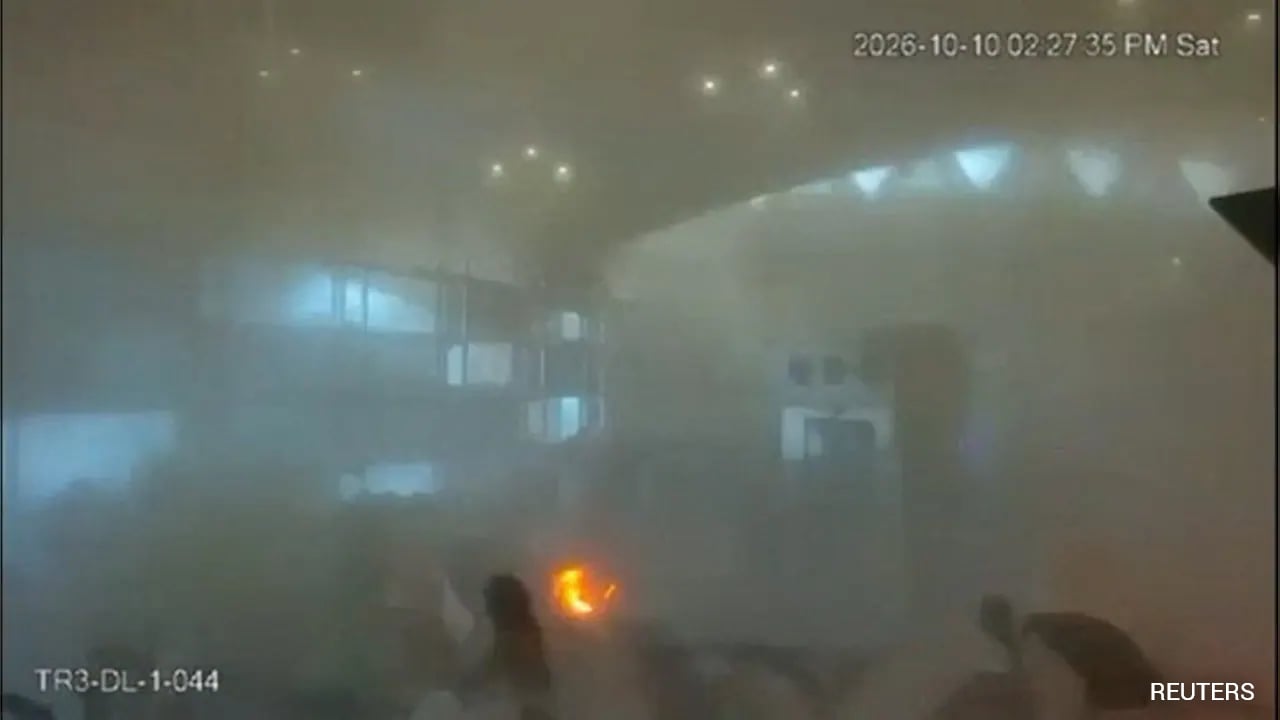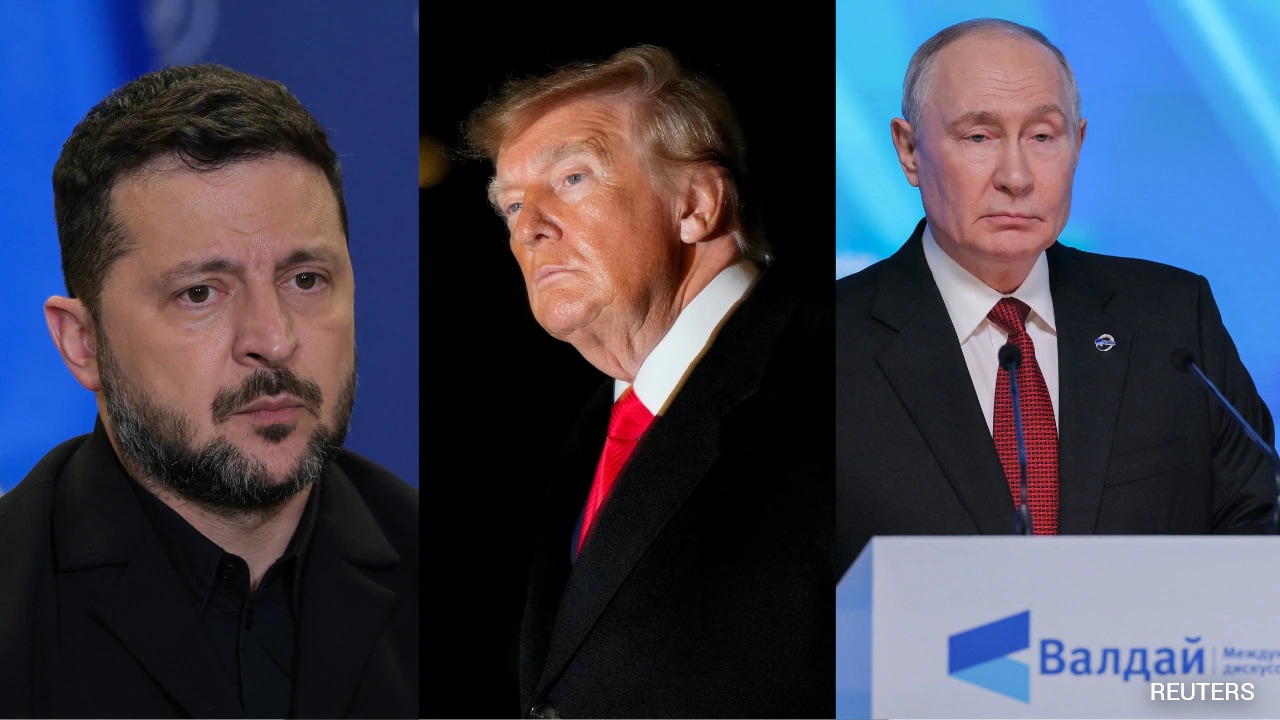
The timing was not a coincidence. Hours after Donald Trump proclaimed an imminent end to the fighting and pointed toward a negotiated freeze, a barrage of Russian missiles smashed into a critical manufacturing facility in Kyiv.
President Volodymyr Zelenskyy did not mince words when addressing the assault. The attack laid bare the stark disconnect between diplomatic posturing in Western capitals and the grim reality on the ground across Ukraine. While political actors thousands of miles away draw imaginary lines on maps and sketch out rapid peace frameworks, the industrial heart of Ukraine absorbs direct hits designed to cripple its wartime economy and shatter its manufacturing capacity. Read more on a similar subject: this related article.
This is the central friction point of the current geopolitical moment. On one side stands a newly empowered American administration desperate for a swift diplomatic win, pushing a narrative of inevitable settlement. On the other side sits a relentless Kremlin leadership that views diplomatic overtures not as a signal for compromise, but as an invitation to press its military advantage before any ink dries on a ceasefire document.
The Mechanics of Wartime Escalation
To understand why a major Kyiv industrial plant became an immediate target following high-profile peace declarations, one must examine how modern military strategy intersects with political theater. When a foreign leader announces a sudden shift toward de-escalation, military planners on the opposing side do not ease off the throttle. They accelerate operations. Further analysis by Al Jazeera explores comparable views on this issue.
Striking infrastructure inside the capital serves a dual purpose for Moscow. First, it degrades the domestic capacity of Ukraine to sustain its own defense production, targeting localized engineering hubs, repair yards, and supply depots. Second, it sends an unambiguous message to international audiences: Russian operations will dictate the tempo of any transition, not foreign election cycles or peace summits.
The facility hit in Kyiv was no random civilian structure. It represented part of the decentralized manufacturing network that Ukraine has rapidly cobbled together since the full-scale invasion began. By decentralizing production away from massive Soviet-era conglomerates into smaller, mobile, or hidden workshops, Kyiv has managed to keep supplying its frontlines with drones, repaired artillery barrels, and tactical electronic warfare gear.
When these sites burn, the impact ripples far beyond local property damage. It tests the resilience of an economy already operating on emergency power and foreign financial lifelines.
The Illusion of Rapid Diplomatic Fixes
The political rhetoric surrounding an overnight ceasefire ignores the deep structural mistrust poisoning the landscape. For months, Western analysts have debated the feasibility of a Korean-style armistice. Yet, the Korean Peninsula division was preceded by years of static trench warfare and a mutual exhaustion that neither Kyiv nor Moscow currently shares in the same proportions.
Moscow believes time is on its side. Despite staggering personnel and equipment losses over the past several years, the Russian defense apparatus has shifted onto a war footing, securing ammunition supplies from external allies and mobilizing industrial output to outpace Western assistance pledges. In this calculus, a premature ceasefire imposed from the outside is merely a tactical pause that allows Ukraine to rearm and regroup.
Consequently, any suggestion of an impending deal triggers an intensification of kinetic strikes. The logic is brutal: destroy as much of the adversary's long-term viability as possible before any monitoring mechanisms, demilitarized zones, or ceasefire lines can be negotiated and enforced.
Zelenskyy’s administration understands this dynamic intimately. When Kyiv pushes back against rushed peace plans, it is not out of a stubborn refusal to end bloodshed. It stems from the bitter historical memory of past agreements, such as the Minsk accords, which were used by the Kremlin to consolidate territorial gains rather than achieve a lasting peace.
Navigating the Information Battlefield
Public relations wars and kinetic wars rarely synchronize. The American political machine thrives on bold pronouncements, definitive timelines, and the promise of swift resolutions. News cycles demand clean narratives with clear beginnings and ends.
Warfare refuses to cooperate with television schedules.
When high-level announcements of impending ceasefires clash with smoking wreckage in downtown Kyiv, the public witnesses the collision between political ambition and hard geopolitical friction. The missile strike was a physical manifestation of Moscow's reply to Washington's peace overtures. It stated clearly that the war ends when strategic objectives are met or denied on the battlefield, not when a press conference concludes in Florida or Washington.
As diplomatic channels chatter behind closed doors, the people of Kyiv wake up to sirens, air defense tracking, and the acrid smell of burning industrial debris. The gap between what political leaders wish to happen and what military commanders execute remains as wide as ever. Until that gap narrows through concrete shifts in battlefield realities, announcements of peace will continue to be answered by the roar of incoming ordnance.