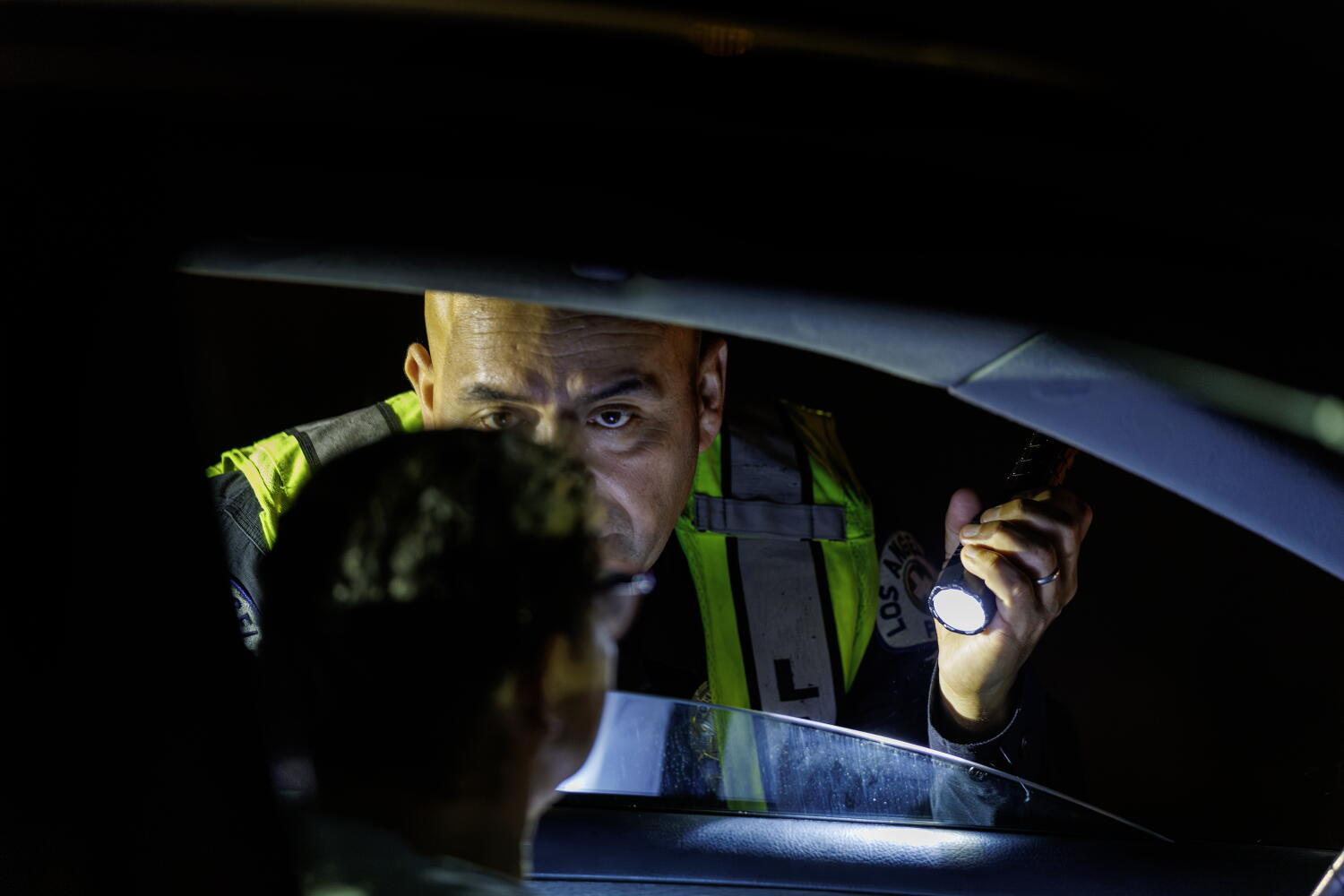
Traffic deaths in Los Angeles are climbing at an alarming rate while Los Angeles Police Department traffic stops have plummeted by more than half compared to previous decade averages. This enforcement vacuum has transformed local thoroughfares into high-speed zones where reckless driving goes entirely unchecked. Behind this shift lies a combination of political mandates, policy changes aimed at racial profiling reduction, severe staffing shortages, and a quiet retreat by rank-and-file officers from proactive policing. City leaders promised that backing away from routine stops would eliminate bias and improve community relations without sacrificing safety. The empirical reality on the ground tells a much more lethal story.
The Anatomy of the Enforcement Collapse
To understand why the streets of Los Angeles feel increasingly lawless, you have to look at the raw numbers. Years ago, officers routinely pulled over hundreds of thousands of drivers annually for minor vehicle code violations. Broken tail lamps, expired registration tags, rolling through stop signs, and speeding were standard triggers for an interaction. Those numbers have dropped off a cliff.
The decline did not happen overnight. It was engineered through a series of administrative adjustments and intense public pressure following high-profile civil rights protests. Department brass issued directives discouraging stops for low-level infractions, arguing that these encounters rarely yielded major contraband and disproportionately affected minority motorists. Officers quickly received the message. Proactive traffic enforcement carried high liability and low institutional reward.
When you tell a police force to stop looking for minor violations, they stop looking altogether. The secondary effect was immediate. Drivers realized that the probability of facing consequences for dangerous maneuvers had effectively hit zero. Speed limits became suggestions. Red lights turned into optional pauses.
The Policy Shift and Its Unintended Victims
The philosophical pivot away from pretextual stops was built on noble intentions. Reform advocates argued that pulling over a driver for a dangling air freshener or a minor equipment failure was an inefficient use of police resources that frequently escalated into unnecessary violence. City policy shifted to prioritize violent crime over traffic management.
Yet traffic enforcement was never solely about catching bank robbers. It served as the primary deterrent against everyday vehicular chaos. When officers pulled over a driver for speeding, they frequently uncovered suspended licenses, outstanding warrants, illegal firearms, or driving under the influence.
By removing the friction of routine traffic stops, the city removed the primary speed check on our roads. Pedestrian fatalities skyrocketed, particularly in lower-income neighborhoods where infrastructure is historically deficient.
Traffic safety is not separate from public safety. When basic rules of the road evaporate, the most vulnerable road users pay the ultimate price with their lives.
Critics of the old system often pointed to racial disparities in stop statistics, and those disparities were real and indefensible. But the solution chosen by municipal leaders was abolition rather than reform. Instead of retraining, tighter supervision, or clear metrics for equitable policing, the department instituted an institutional retreat. The result is a system that fails to protect minority communities from reckless drivers while also failing to address the root causes of biased policing.
Staffing Realities and Officer Disengagement
Policy directives alone do not account for the sheer scale of the drop in traffic stops. The LAPD is hemorrhaging personnel. Thousands of officers have left through retirement, resignation, or transfer over the past several years, leaving precinct houses drastically understaffed.
When a station has barely enough patrol units to handle high-priority emergency calls, proactive work vanishes. Officers answering back-to-back domestic disputes and violent crimes do not have time to sit on a boulevard running radar.
Compounding the resource shortage is a deep psychological shift within the rank and file. Many veteran officers describe an environment of acute risk aversion. Every traffic stop carries the potential for viral video scrutiny, disciplinary action, or criminal prosecution if an interaction goes sideways.
Why initiate a discretionary stop that offers no professional upside and massive personal risk? The rational choice for an overworked, under-supported cop is to drive right past the vehicle blowing past at eighty miles per hour. This institutional demoralization is a quiet crisis that department leadership rarely discusses publicly, preferring to blame shifting priorities rather than plummeting morale.
Rethinking Traffic Safety Without the Badge
As traditional enforcement falters, transportation planners and civil leaders are scrambling for alternatives. Automated speed enforcement cameras, long treated as a political third rail in California due to privacy concerns and ticketing controversies, are slowly creeping back into the conversation.
Proponents argue that cameras do not sleep, do not suffer from implicit bias, and do not escalate routine infractions into physical confrontations. Opponents counter that automated tickets hit low-income households disproportionately through predatory fine structures and often rely on private corporate contractors who profit from municipal citations.
Other cities have experimented with civilian traffic monitors handling non-moving violations or parking enforcement, freeing up sworn officers for serious crimes. But civilian workers cannot chase down a street racer or pull over an intoxicated driver weaving across four lanes of traffic.
Engineering solutions also play a crucial role. Narrowing lanes, adding physical speed bumps, building protected bike lanes, and redesigning intersections can force drivers to slow down regardless of whether a police cruiser is parked nearby. These infrastructure investments take years and millions of dollars to implement. While civil engineers draw up plans on paper, the death toll on asphalt continues to mount every single weekend.
The Hard Road Ahead
Fixing the lethal vacuum on Los Angeles streets requires acknowledging uncomfortable truths from all sides of the political spectrum. Police reformers must admit that zero enforcement leads directly to carnage on the highways. Department leadership must rebuild officer trust, clarify standards for proactive work, and demand accountability without crushing initiative. City council members must stop treating public safety as a pendulum that swings violently between total dominance and total abandonment. Until Los Angeles confronts the consequences of its enforcement vacuum, the flashing lights in the rearview mirror will remain a rare sight, and the morgues will stay full.