The ground is shifting fast across the Arabian Peninsula, and anyone ignoring the latest escalations is missing a massive strategic pivot. When Yemen’s Houthi movement claimed responsibility for a coordinated wave of ballistic missile and drone attacks targeting deep within Saudi territory—including critical components of the East-West Pipeline and infrastructure in Riyadh—it wasn't just another routine skirmish. It marked a brutal reality check for regional security and energy markets alike.
If you look past the headlines about intercepted projectiles and flashing emergency alerts in the Saudi capital, a clear pattern emerges. The conflict has graduated from localized border clashes to precision pressure points aimed directly at global economic arteries.
Decoding the Targets and Tactics
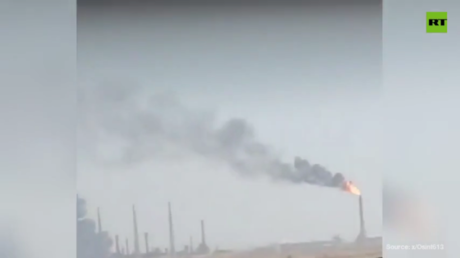
Houthi military spokesperson Yahya Sarea didn't mince words when detailing the operations, pointing to strikes that hit pump stations along the vital East-West Pipeline alongside sites near King Khalid International Airport and financial hubs in Riyadh. For years, analysts assumed that sophisticated air defense systems purchased at astronomical costs would render deep-territory strikes obsolete. That calculation is proving flawed.
By utilizing a combination of low-flying drones and ballistic missiles, the attackers are exploiting geographical blind spots and forcing a massive defensive expenditure on the Saudi-led coalition. When you have to expend multi-million-dollar interceptors to neutralize low-cost aerial threats, the long-term sustainability equation tilts heavily in favor of asymmetric warfare.
The Breakdown on the Ground
The timing of these attacks isn't random. They coincide with significant ground shifts in southern Yemen, where coalition-backed forces have faced mounting pressure and tactical retreats around critical choke points like the Bab al-Mandab Strait.
- The Energy Risk: Saudi oil infrastructure remains uniquely vulnerable because of its sheer geographic sprawl. Pumping stations, processing plants, and export terminals present massive surface areas that are difficult to fortify entirely.
- The Retaliation Cycle: Houthi leadership frames these operations strictly as a response to ongoing airstrikes inside Yemen, creating an eye-for-an-eye dynamic that constantly resets any path toward a lasting ceasefire.
- The Regional Ripple Effect: With concurrent incidents flaring up near maritime lanes like the Strait of Hormuz, commercial shipping, insurance premiums, and energy traders are forced to price in a permanent risk premium.
What the Experts Keep Missing
Most mainstream commentary treats these events as isolated military exchanges. They aren't. They represent a fundamental restructuring of deterrence in the Middle East. Non-state actors now possess aerospace capabilities that once belonged exclusively to major nation-states.
Saudi Arabia's defense forces continue to intercept the vast majority of incoming threats, but the psychological and economic toll of persistent alerts and temporary facility shutdowns cuts deep. Riyadh wants stability to push forward with massive economic diversification projects under Vision 2030, yet every incoming missile acts as a stark reminder that domestic transformation relies entirely on an elusive regional peace.
Watch how international diplomatic channels respond over the coming weeks. If retaliation cycles continue to escalate without a credible political framework to revive the stalled 2022 truce, energy security will remain on a knife-edge.