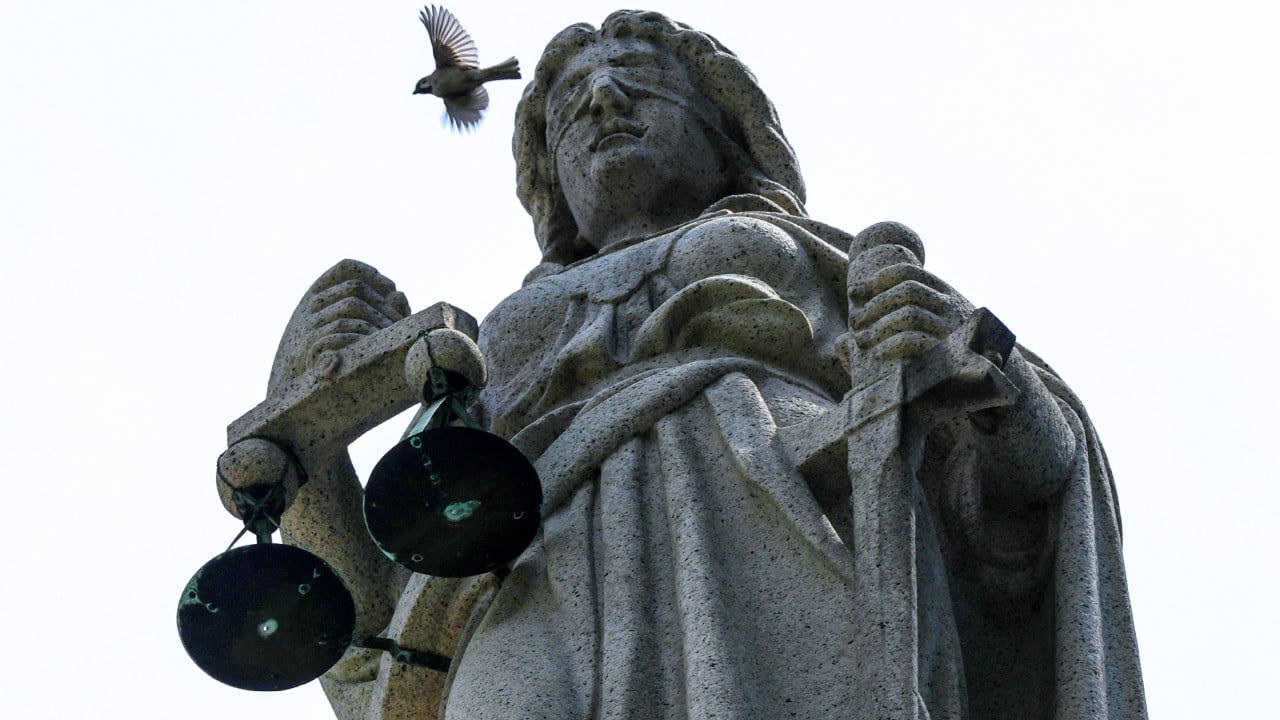
When funding for judicial reviews drops to a ten-year low while authorities flatly deny any change in vetting criteria, citizens notice. It's a classic bureaucratic contradiction. On one side, numbers show a steep, undeniable drop in financial support for legal challenges against public policies. On the other side, officials insist the gatekeeping hasn't tightened at all.
If the rules haven't changed, why are individuals and advocacy groups finding it nearly impossible to secure the funding needed to hold authorities accountable? Meanwhile, you can read other developments here: What the Rise of Female Combat Units in Balochistan Actually Means for Pakistan.
The Anatomy of a Decade Low in Policy Challenges
Let's look at the numbers. Recent figures reveal that approvals for legal aid targeting government decisions and policy challenges have plummeted to levels not seen in ten years. For ordinary people, mounting a judicial review isn't just an administrative hurdle; it's a financial mountain. Without state-backed legal assistance, challenging a controversial public policy becomes an exclusive privilege reserved for the ultra-wealthy or well-funded corporate entities.
When legal aid chiefs push back against claims of stricter vetting, they usually point to the statutory guidelines. They argue that every application is judged on its individual merits, statutory compliance, and reasonable prospects of success. But critics point out that an official policy doesn't need to be rewritten for the practical application to shift. Subtle changes in risk aversion, rising cost thresholds, and prolonged processing times can quietly choke off the pipeline of viable public interest litigation. To understand the complete picture, check out the excellent article by The Guardian.
The Real Cost of Silent Gatekeeping
When access to justice dries up, accountability goes with it. Judicial reviews act as an essential check and balance on government overreach. If public bodies know that potential litigants can't afford the legal fees—and can't secure public funding—the deterrent effect disappears.
Consider what happens when policy challenges stall. Poorly drafted regulations, rushed administrative decisions, and questionable executive actions pass through without judicial scrutiny. The system relies heavily on the assumption that checks and balances will catch severe errors. But if the gateway to those checks requires a financial safety net that barely exists anymore, the rule of law starts to fray at the edges.
Administrators often argue that filtering out weak cases protects public funds from being wasted on frivolous litigation. That argument sounds reasonable in a vacuum. Yet, when approval rates sink to a decade low, it signals something more systemic than a mere weeding out of hopeless claims. It points to a chilling effect where meritorious, pressing challenges against state power simply never see the inside of a courtroom.
Navigating the Institutional Stalemate
Resolving this tension requires more than denials from legal aid leadership. Transparency isn't just about publishing the final tally of approved versus rejected applications; it requires open disclosure of how merit thresholds are interpreted under changing political pressures.
If you're watching this space, don't expect a sudden policy U-turn. The friction between state authorities and legal advocacy groups will likely move from courtroom steps to legislative debates. True reform won't happen until transparency replaces administrative defensiveness, ensuring that ordinary people retain a realistic path to challenge unlawful state actions.