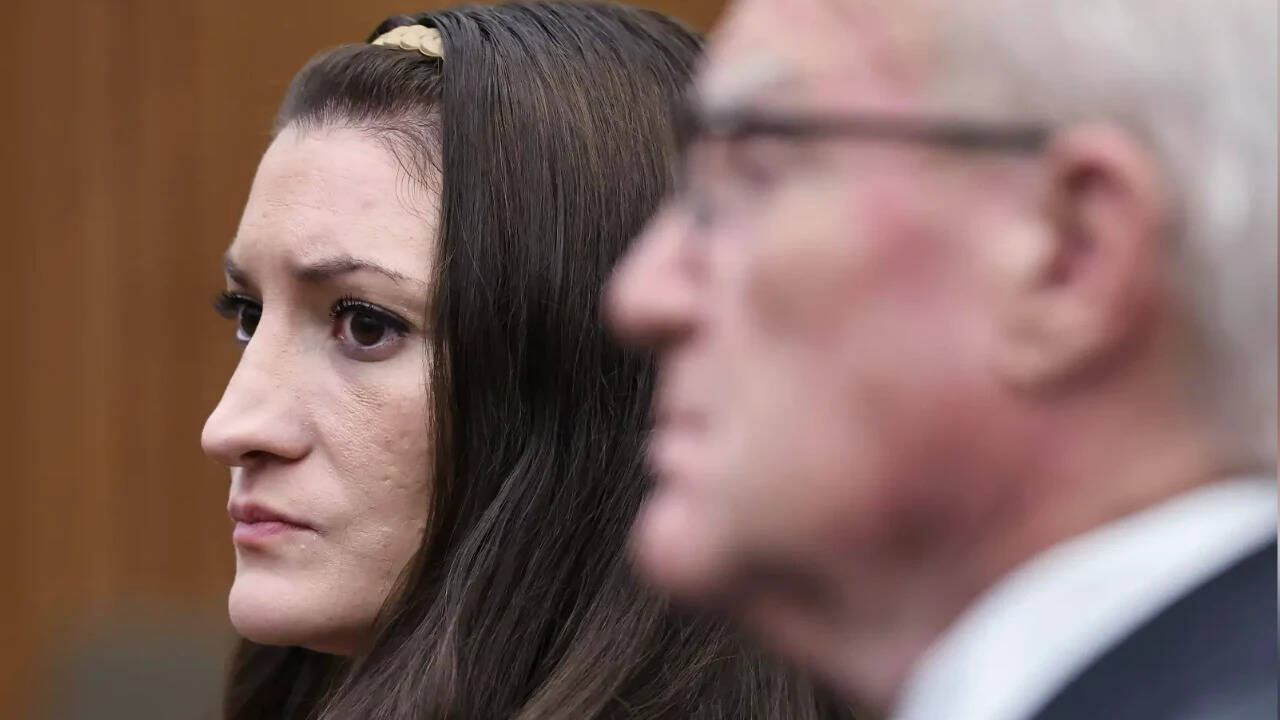
High-profile murder trials rarely end quietly, but the Lindsay Clancy case has crossed into unprecedented territory. After nearly six weeks of grueling testimony, 35 hours of tense jury deliberations, and multiple impasse notes, the courtroom drama reached a boiling point when a foreperson's note exposed an internal fracture. A single juror is now accused of refusing to follow judicial instructions regarding reasonable doubt.
The defense immediately demanded a removal. Judge William Sullivan said no.
If you've been following this closely, you know the stakes couldn't be higher. Clancy, a 36-year-old former labor and delivery nurse, doesn't dispute that she strangled her three young children—Cora, Dawson, and Callan—in their Duxbury, Massachusetts home in January 2023 before attempting to take her own life. The core battleground isn't about what happened. It's about why it happened, and whether severe postpartum psychosis completely robbed her of criminal responsibility.
Now, the entire proceeding hangs on a knife-edge because of a clash inside the jury room.
Inside the Juror Clash That Shocked the Courtroom
The trouble spilled into open court after the jury panel of nine women and three men sent its third communication to the bench. Earlier notes simply stated that the group remained deadlocked and unable to reach a unanimous agreement. But the Thursday note changed tone entirely. The foreperson signaled that a specific juror was actively refusing to apply the court's legal definition of reasonable doubt.
Defense attorney Kevin Reddington didn't mince words. He pushed hard for the juror's dismissal, warning that letting the situation fester would guarantee an unjust outcome or an invalid process.
"If we come back here in a half-hour with a mistrial because of a juror that has just spurned the instructions of this court, it's a shame," Reddington told the judge.
Judge Sullivan took a measured, cautious approach. Rather than booting the juror out—a drastic move that appellate courts scrutinize heavily—he called each panel member into chambers for private questioning. Afterward, he brought everyone back into the courtroom to restate his instructions on reasonable doubt before sending them back to work.
Prosecutor Jennifer Sprague backed the judge's handling of the crisis, arguing that the court shouldn't pick sides in an internal debate. Sullivan agreed, noting on the record that he could not side with a single holdout or the opposing majority.
Why Judges Rarely Remove Deliberating Jurors
Outraged spectators often wonder why a judge doesn't just swap out a stubborn juror and plug in an alternate. The reality of criminal procedure makes that nearly impossible once deliberations begin.
Once a jury starts hashing out a case, removing a member triggers massive constitutional landmines. Trial judges know that interfering with a deliberation room risks destroying the presumption of an impartial verdict. If a judge removes a juror simply because they disagree with the majority, it sends a dangerous signal that holdouts will be punished for sticking to their guns.
Judge Sullivan walked a very narrow line. He reminded the jurors of the oath they took, asked them to evaluate their positions, and refused to act as an umpire for the internal arguments. It's a textbook demonstration of judicial restraint, even if it leaves both sides staring down the barrel of a potential mistrial.
The Weight of the Evidence and the Mental Health Debate
To understand why this jury is tearing itself apart, you have to look at the massive mountain of evidence they've had to sift through. Over six weeks, more than 80 witnesses took the stand. The jury reviewed over 300 exhibits, including heartbreaking testimony from Clancy's former husband, Patrick Clancy, who detailed returning home to a silent house and discovering the unimaginable.
Family members and medical professionals painted a grim picture of a mother unraveling. Texts and testimonies revealed a woman suffering from profound insomnia, acute anxiety, and intense paranoia, begging family members to stay with her because she felt like her mind was breaking. Expert witnesses split sharply on whether that psychological collapse amounted to legal insanity at the exact moment of the tragedy.
When jurors face competing expert testimony on complex psychiatric conditions like postpartum psychosis, a single stubborn interpretation of "reasonable doubt" can easily blow up the room. One side sees a sick mother acting under the delusion of a broken mind; the other sees a deliberate plan. Bridging that gap is agonizing work.
What Happens If the Deadlock Holds
If the jury ultimately reports that it cannot bridge its internal divide, Judge Sullivan will have no choice but to declare a mistrial.
That outcome resets the chessboard. Prosecutors would have to decide whether to subject the community and the families to an entirely new trial from scratch, drop the remaining charges, or pursue alternative resolutions. Meanwhile, if the jury manages to push past the tension and deliver a verdict of guilty, the legal battles will immediately shift to appeals centering on jury tampering claims and how the judge handled the holdout dispute.
For now, the jurors return to the room with renewed instructions and the heavy weight of a nation watching their every move. The clock is ticking, and the resolution of one of the most polarizing trials in recent memory remains entirely up in the air.