Structural Deconstruction of High-Profile Prisoner Litigation
The federal complaint filed by Brandon Ortiz-Vite against political campaign actors exposes a critical junction between constitutional torts, defamation jurisprudence, and electoral media strategy. Serving a 39-to-102-year prison sentence following a guilty plea for the 2024 homicide of Ruby Garcia in Grand Rapids, Michigan, Ortiz-Vite, a Mexican national previously protected under the Deferred Action for Childhood Arrivals (DACA) program, has initiated a pro se lawsuit seeking $75 million in damages, a formal public apology, and a judicial grant of U.S. naturalization.
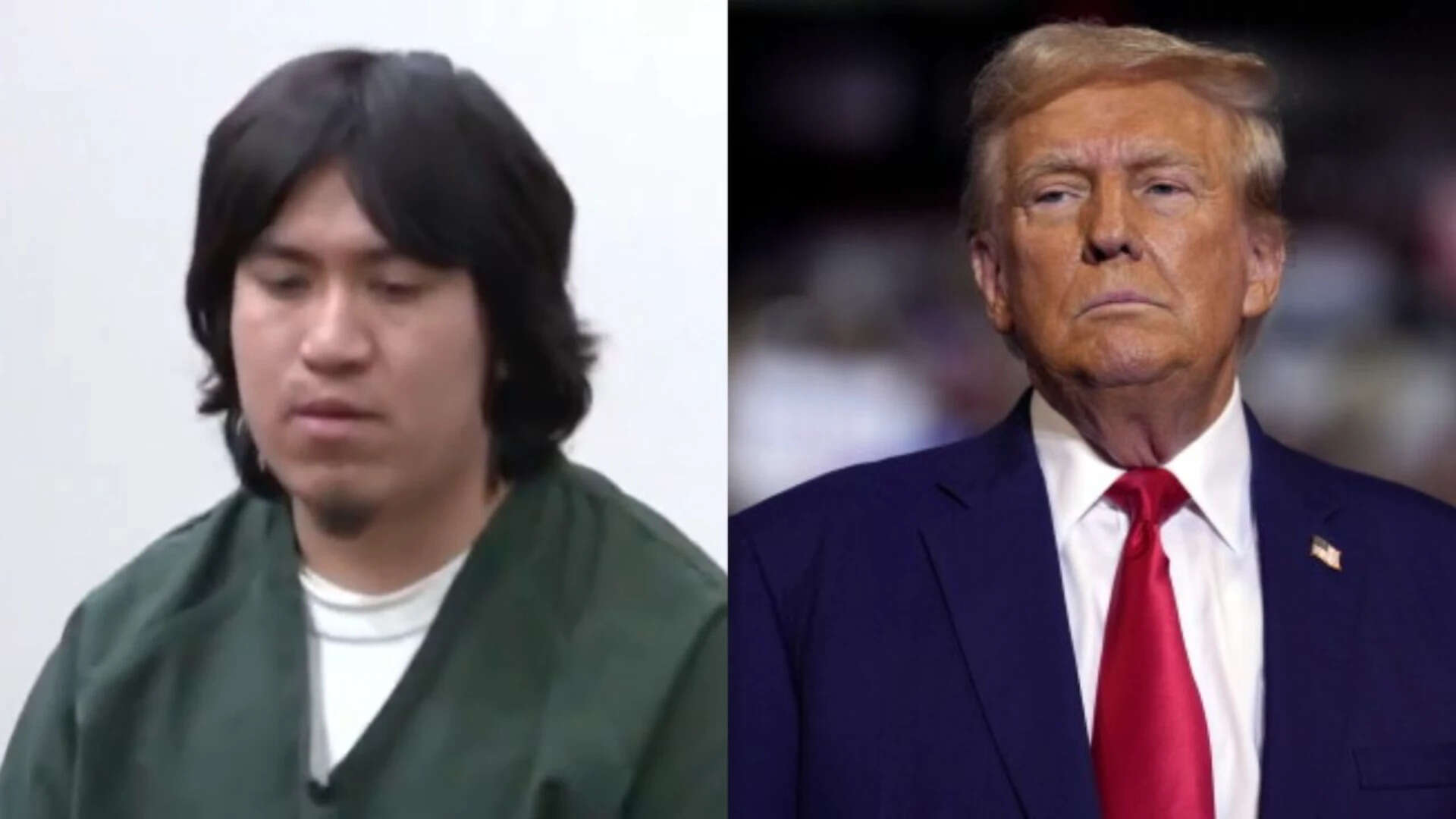
The underlying grievance centers on the widespread distribution of Ortiz-Vite’s mugshot and case details across national campaign advertisements and public speeches during the 2024 U.S. presidential election cycle. The lawsuit names political figures as defendants, alleging that the strategic leverage of his criminal proceedings damaged his personal dignity, triggered hostility from correctional officers and fellow inmates, and reduced his identity to a political instrument.
Stripping away the sensationalism surrounding the requested remedies reveals three core legal mechanisms, two structural vulnerabilities in pro se prisoner filings, and a well-established precedent governing political communication under the First Amendment.
The Three Pillars of Political Persona Exploitation
Political campaigns routinely deploy specific criminal proceedings to frame macroeconomic and security narratives. This case illustrates the operational framework through which individual legal cases are converted into political leverage.
1. The Symbolization Function
In modern campaign messaging, individual judicial records are selected to serve as representative proxies for macro-level policy failures. By framing a specific criminal act within the broader discourse on border security and federal enforcement, political strategists establish an immediate, emotionally resonant anchor for abstract regulatory debates.
2. The Narrative Monetization Model
Visual assets—specifically state-generated booking photographs and police records—carry no licensing fees and reside in the public domain or are accessible via public record requests. Campaigns utilize these assets within high-frequency media buys to minimize production overhead while maximizing viewer retention through high-impact, real-world imagery.
3. The Depersonalization Dynamic
Once an individual enters the criminal justice system under a high-profile designation, their public narrative decouples from their personal agency. The subject becomes an operational data point, utilized by political entities to influence voter perception without necessitating a direct civil or contractual relationship with the individual depicted.
The Legal Cost Function and Jurisdictional Bottlenecks
The structural likelihood of this litigation surviving preliminary judicial review approaches zero due to statutory procedural filters and settled constitutional doctrine.
[Pro Se Filing]
       │
       ▼
[Section 1915A Judicial Screening Filter]
       │
       ├──► Identifies Frivolous/Non-Cognizable Claims ──► [Sua Sponte Dismissal]
       │
       └► Fails to Establish First Amendment Exception
Under 28 U.S.C. § 1915A, federal courts are statutorily mandated to screen civil complaints brought by prisoners seeking redress against governmental entities or officers. The court must dismiss any portion of the complaint that is legally frivolous, malicious, or fails to state a claim upon which relief can be granted.
Defamation and Truth as an Absolute Defense
Under established U.S. tort law, truth operates as an absolute defense against claims of defamation or false light publicity. Because Ortiz-Vite entered a formal guilty plea to the underlying charges, the factual assertions made in public communications regarding his conviction are substantively accurate.
Public embarrassment, social distress, or heightened hostility within a correctional facility resulting from the dissemination of truthful, public-record information does not constitute a recognized violation of constitutional rights under 42 U.S.C. § 1983 or the Bivens doctrine.
The Limits of Judicial Remedy
The demand for $75 million in damages encounters insurmountable hurdles regarding actionable harm, but the demand for U.S. citizenship highlights a fundamental misapprehension of judicial authority:
- Executive and Legislative Statutory Authority: Federal courts do not possess independent statutory authority to grant naturalization outside the strict criteria established by Congress under Title 8 of the United States Code (Aliens and Nationality).
- Statutory Bar via Felony Conviction: An individual convicted of an aggravated felony is statutorily precluded from establishing "Good Moral Character," an absolute prerequisite for naturalization under 8 U.S.C. § 1427.
- Absence of First Amendment Torts for Political Discourse: Core political speech occupies the highest tier of protection under the First Amendment. Utilizing true public-record facts about a criminal case in campaign messaging falls directly within protected political commentary.
Analytical Matrix: Claim Validity vs. Legal Mechanics
| Claimed Grievance | Asserted Remedy | Statutory/Constitutional Barrier | Probability of Survival |
|---|---|---|---|
| Exploitation of case for campaign media | $75 Million in damages | Protected political speech under the First Amendment; truth as an absolute defense. | Low |
| Social distress and reputational harm in prison | Formal public apology | Lack of a recognized constitutional tort for emotional distress stemming from public record publication. | Low |
| Identity reduction and loss of dignity | Grant of U.S. naturalization | Mandatory statutory disqualification under Title 8 U.S.C. due to aggravated felony conviction. | Zero |
Operational Takeaways for Political Risk and Media Strategy
The filing highlights a broader structural reality in contemporary political operations: the speed at which real-time judicial events are integrated into national communication strategies creates immediate media impact while leaving minimal exposure to legal liability.
Political campaigns operate within a legal framework where public court records can be cited, visualized, and distributed at scale without requiring consent from the subjects involved. So long as the underlying claims remain anchored to verified public records, civil actions brought by subjects depicted in campaign materials encounter immediate statutory barriers at the preliminary screening stage.
From a strategic perspective, the primary exposure for media organizations and political entities in these scenarios is not monetary judgment or legal sanction, but rather the ongoing management of public discourse surrounding high-profile judicial cases.
Entities designing media strategy must ensure absolute alignment between campaign messaging and court records. Any material factual deviation from official judicial findings opens a narrow window for false light claims, whereas strict adherence to public record facts guarantees broad immunity under existing constitutional precedents.