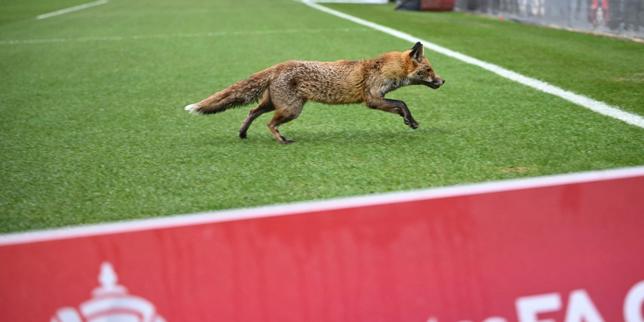
You probably think of London as a gray sprawl of concrete, frantic commuters, and overpriced coffee. For decades, that was the absolute truth. Nature was something relegated to manicured flowerbeds or the occasional stray fox scavenging through a bin in Dalston. But something is shifting. If you walk through certain parts of the city today, you might stumble upon a family of beavers building a dam or see massive Highland cows grazing just a few miles from the Shard.
This isn't just a quirky gardening project. It’s a radical shift in how we think about urban living. London is becoming a primary testing ground for "rewilding," a conservation strategy that basically tells humans to get out of the way and let nature take the wheel. The goal isn't just to make the city prettier. It's about survival. We're talking about flood prevention, cooling down heat-island effects, and bringing back species that haven't called this place home since the Iron Age.
Why the Beaver is London’s Newest Civil Engineer
The most high-profile residents in this new urban wilderness are the beavers. After being hunted to extinction in the UK around 400 years ago, they’ve made a spectacular comeback. In late 2023, a pair was released into Paradise Fields in Enfield, North London. This wasn't just for the photo op.
Beavers are what scientists call "ecosystem engineers." They build dams. Those dams slow down water flow. When heavy rains hit—which they do, constantly, in London—those dams act as natural sponges. They hold back the water that would otherwise overwhelm the city’s Victorian drainage pipes and flood people’s basements.
I’ve seen the impact of these animals in other parts of the country, and the speed at which they transform a muddy ditch into a thriving wetland is staggering. Within months, you get dragonflies, frogs, and birds that haven't been seen in the area for generations. In Enfield, the project is managed by Capel Manor College and the Enfield Council, proving that local government is finally realized that a beaver is a lot cheaper and more effective than a multi-million-pound concrete storm drain.
Cows in the City and the End of the Mowed Lawn
We’ve been obsessed with "tidy" parks for too long. Short grass is basically a biological desert. It does nothing for insects and even less for soil health. Enter the cows.
In places like Epping Forest and the hills of Croydon, conservation grazing is replacing the diesel-chugging lawnmower. Specifically, breeds like the Highland cow or English Longhorns are being used. These animals don't just eat grass; they trample it, they create "micro-habitats" with their hooves, and they disperse seeds through their dung.
It’s messy. It’s muddy. It’s exactly what the earth needs.
If you’re hiking in South London, seeing a massive, horned beast staring at you can be a bit of a shock. But these animals are chosen for their docile nature. They’re part of a broader strategy by organizations like the London Wildlife Trust to break the monotony of the urban landscape. By creating a "mosaic" of different grass lengths and scrubland, they provide a home for the tiny creatures we usually ignore.
Small Scale Heroes The Harvest Mouse Returns
Rewilding isn't always about the big, charismatic animals. Sometimes it’s about a creature no bigger than a thumb. The harvest mouse is the UK’s smallest rodent and a vital part of the food chain. They’ve been disappearing because we keep cutting down the long grass and hedgerows they need to build their iconic spherical nests.
Ealing has become a bit of a hotspot for these little guys. By reintroducing them into rewilded meadows, conservationists are trying to plug a hole in the urban food web. Kestrels and owls need mice to eat. If you don't have the mice, you don't have the birds of prey. It's all connected.
People often ask if these small interventions actually matter in a city of nine million people. They do. Each tiny patch of rewilded land acts as a "stepping stone." A bee or a butterfly can’t fly across London in one go. They need these small, wild oases to rest and refuel. When we link these spots together, we create a "Green Grid" that allows life to move through the city rather than getting trapped in isolated pockets.
The Problem With Modern Conservation
Most people think conservation means "protecting" what we have. That’s a losing game. We’ve already lost too much. Rewilding is different because it’s proactive. It’s about restoration.
There’s a common misconception that rewilding means letting everything go to hell and ending up with a city covered in brambles and rats. That’s nonsense. Urban rewilding is carefully managed. It’s a partnership. We provide the initial spark—reintroducing a species or removing a concrete riverbank—and then we let natural processes do the heavy lifting.
The real challenge isn't the science; it's the mindset. We’re programmed to want things neat and orderly. We want parks to look like golf courses. We need to get comfortable with "scruffy" nature. Dead wood is good. Thistles are great. A flooded field is a success, not a failure.
Making Your Own Space a Bit Wilder
You don't need a thousand acres in the Scottish Highlands to be part of this. The beauty of the London movement is that it’s happening in back gardens and on balconies too. If every Londoner stopped using pesticides and left just one corner of their garden to grow wild, the impact would outweigh almost any large-scale project.
- Stop the Mow: Let the grass grow long in May and June. You'll see wildflowers you didn't even know were in the soil.
- Ditch the Plastic: Artificial grass is an ecological nightmare. It kills the soil underneath and contributes to urban heating. If you have it, rip it out.
- Water Matters: Even a tiny pond—literally a buried bucket with some stones and a plant—will attract frogs and dragonflies within weeks.
London is leading the way because it has to. With the climate shifting, the old ways of managing urban space are failing. We need the beavers. We need the cows. We need the "scruffy" edges. Look for your local wildlife trust and see where the next release is happening. Better yet, look at your own backyard and ask why it isn't wilder yet. Get a bag of native wildflower seeds, find a patch of bare earth, and just start. Nature is waiting for the invitation.


