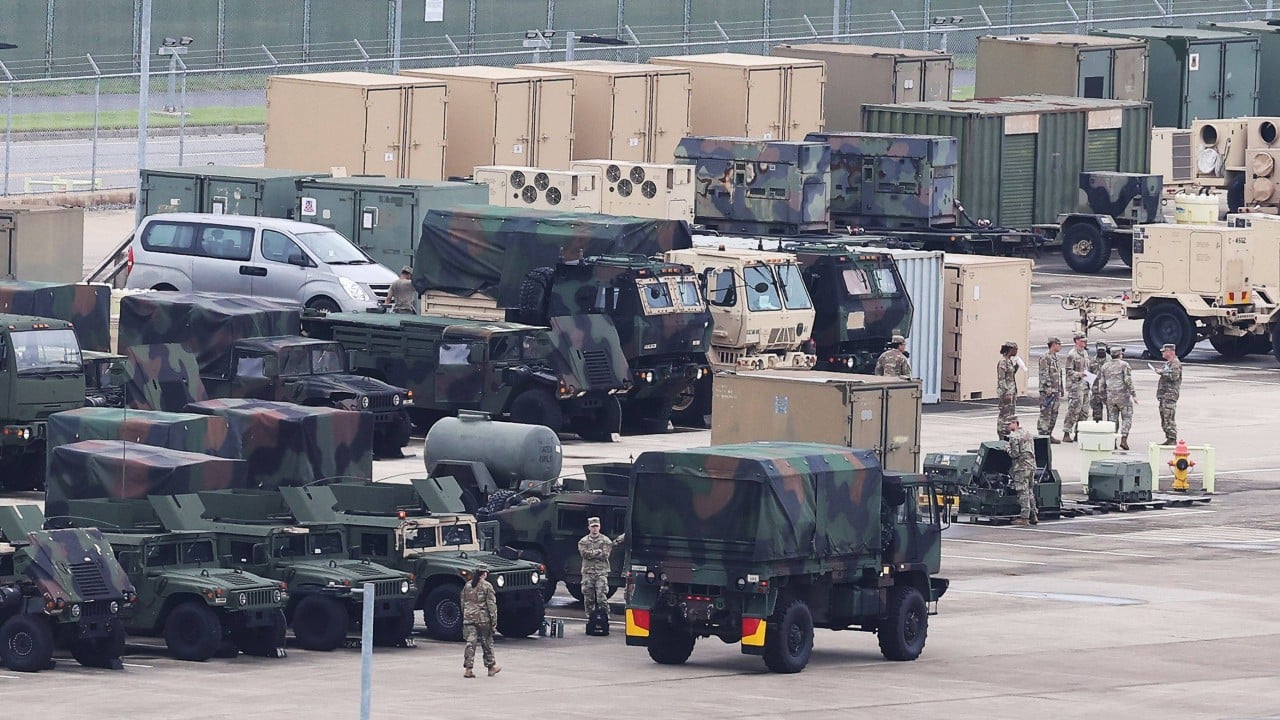
The mahogany doors of the House chamber swung open late on a brisk Thursday, releasing a wave of aides, journalists, and exhausted lawmakers into the marble corridors of Capitol Hill. Outside, Washington was quiet. Thousands of miles away, in the dark waters of the Persian Gulf and the dust-choked outposts of the Middle East, young men and women in camouflage were awake, staring into night-vision monitors, waiting to see if a long-simmering friction would suddenly ignite into war.
Earlier that afternoon, the House of Representatives took a vote that felt less like routine legislative business and more like a desperate tug on the emergency brake of a runaway train.
They voted to restrain the President’s authority to take further military action against Iran without explicit congressional approval.
It was a dramatic, highly charged moment under the rotunda. Yet, just hours later, a similar effort ground to a halt on the other side of the Capitol, dying quietly on the Senate floor.
To understand why a procedural fight in a carpeted room in Washington matters, you have to look past the talking points. You have to look at what happens when the balance of power shifts from a group of elected representatives to a single room in the West Wing.
The Weight of a Single Signature
Consider a hypothetical service member—let's call him Marcus.
Marcus is twenty-two years old, sitting in the humid darkness of a forward operating base. He doesn't spend his evenings reading the Congressional Record. He doesn't track committee hearings or debate parliamentary rules. But every decision made under the gold-framed portraits of Capitol Hill ultimately lands on his shoulders.
When a nation teeters on the brink of conflict, the Constitution outlines a very deliberate design. The framers were terrified of monarchical power. They had just fought a war to free themselves from a king who could drag a nation into bloody foreign entanglements on a personal whim. So, they split the power. They gave the President the sword as Commander-in-Chief, but they gave Congress the sole authority to declare war.
That was the theory. The reality over the past several decades has been starkly different.
Slowly, systematically, authority has seeped away from the legislative branch. Presidents of both parties have increasingly relied on broad interpretations of executive power and aging authorizations to launch strikes, deploy troops, and engage in hostilities across the globe.
When a sudden strike escalates tensions with a foreign power like Iran, the question ceases to be purely political. It becomes existential.
Two Chambers, Two Realities
The debate on the House floor was raw. Lawmakers argued not just over foreign policy, but over their own institutional duty. Supporters of the measure insisted that forcing a vote on war was the most sacred constitutional obligation a representative carries. They argued that before a single draft notice goes out, before a single missile flies, the people’s representatives must debate the cost in broad daylight.
Opponents argued that the resolution handcuffed the Commander-in-Chief at a perilous moment, signaling weakness to adversaries and potentially putting American lives at risk by delaying decisive defensive action.
The House passed the war powers resolution, marking a rare, explicit rebuke of executive authority. For a brief moment, it looked like Congress was asserting its constitutional muscle.
Then came the Senate.
In the upper chamber, the political math flipped. Party lines held tight. Procedural hurdles proved insurmountable. The Senate failed to advance its own version of the measure, effectively neutering the legislative branch's attempt to draw a hard line in the sand.
The contrast was jarring. One side of the Capitol declared that the executive branch had gone too far; the other side ensured the status quo remained untouched.
The Human Cost of Abstract Rules
It is easy to get lost in the jargon of war powers, war powers resolutions, and legislative maneuvers. But behind every procedural vote is a profound human reality.
War is not a chess game played with bloodless pieces on a board. It is dust in the back of a transport plane. It is a mother staring at a silent phone in Ohio, wondering if her daughter's unit is in the path of retaliatory strikes. It is the overwhelming, heavy silence of a neighborhood when an official sedan pulls up to a curb with bad news.
When Congress abdicates its responsibility to debate and vote on conflict, it robs the public of its voice. A congressional debate forces light into dark corners. It demands that leaders explain the strategy, define what victory looks like, and calculate the cost in human lives before the first trigger is pulled.
Without that debate, decisions that alter millions of lives are made in hushed, late-night meetings inside the White House situation room.
The failure of the Senate to match the House's push left the nation in a familiar, uneasy equilibrium. The President retains immense latitude to act. The legislative branch remains divided and largely sidelined. And those standing guard in foreign lands are left to watch the news feeds, waiting to see what the next headline will demand of them.
The votes are tallied. The marble halls have cleared for the night. But in the quiet darkness of military outposts half a world away, the waiting continues.