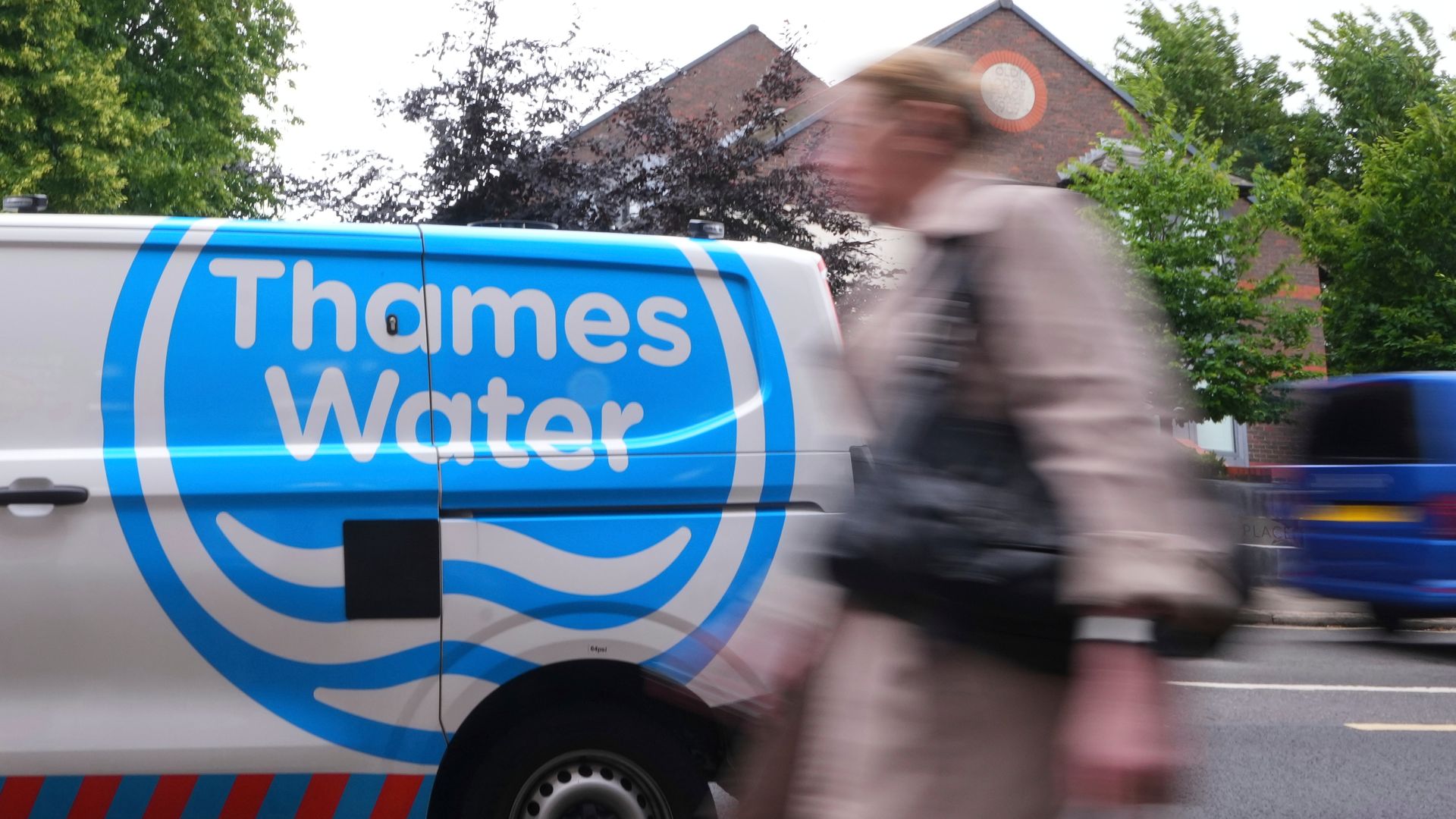
The standoff over Britain’s largest water utility is heading toward an explosive legal showdown. For months, a sprawling coalition of global institutional lenders has been working to retain control of Thames Water. They are facing a wall of political momentum that is moving aggressively toward state intervention. With incoming Prime Minister Andy Burnham expected to take power within days, the threat of temporary nationalisation under a Special Administration Regime (SAR) has shifted from a worst-case policy scenario into an imminent reality.
This is not a typical corporate restructuring. It is a high-stakes game of chicken involving £19 billion in gross debt, 16 million customers across London and the South East, and a group of aggressive global financial heavyweights. Lenders including Elliott Investment Management, Apollo Global Management, Silver Point Capital, and BlackRock are not planning to quietly accept heavy losses if the state steps in. They are laying the groundwork for a massive legal counter-offensive.
The Nationalisation Trap and the Creditor Strike Back
The core issue is straightforward. Thames Water is rapidly running out of money, with warnings that its existing liquidity could dry up by late autumn. The current management team, led by Chief Executive Chris Weston, has openly acknowledged that customer bills alone cannot fund the multi-billion-pound infrastructure upgrades the network desperately requires. The company needs cash, and it needs it immediately.
The senior creditor group, operating under the moniker London & Valley Water, has put forward a £10 billion rescue proposal. This package includes a £3.35 billion injection of new equity alongside £3.25 billion in fresh debt, paired with an upfront penalty and redress package of £850 million designed to restore the utility's junk-status credit rating to investment grade.
Proposed Creditor Rescue Package:
- New Equity Injection: £3.35 billion
- Fresh Debt Provision: £3.25 billion
- Upfront Redress/Penalty Fund: £850 million
Total Structural Package: ~£10 billion
The political establishment is refusing to cooperate. Environment Secretary Emma Reynolds formally objected to the proposal, stating it places an "undue burden" on consumers and fails to offer adequate safeguards for the environment. This political resistance has pushed the utility closer to a state-controlled administration regime.
The lenders are prepared to fight back. If Burnham triggers an SAR, the senior creditors plan to use the administration process itself as a mechanism to launch a counter-bid for the utility's assets. They view temporary nationalisation as an expensive, highly disruptive procedural hurdle rather than a permanent solution. They argue an SAR would drain billions of pounds in taxpayer funds while plunging 8,000 workers and an extensive supply chain into deep operational limbo.
The Legal Risks of Overriding Private Capital
Any attempt by the incoming administration to aggressively squeeze private lenders will trigger fierce resistance in the High Court. Under existing UK law, putting a water utility into special administration requires the government to prove to a judge that the company is either explicitly insolvent or guilty of a serious, continuous breach of its environmental and service licence conditions.
Legal experts close to the negotiations note that forcing an SAR while a fully financed, market-led creditor proposal remains on the table carries massive legal risks for the government. Because the senior lenders have expressed a willingness to extend temporary liquidity to keep the company operational, a premature state seizure could be challenged as an unlawful, politically motivated interference with private property rights.
Potential Grounds for Government SAR Application:
1. Proven Financial Insolvency (Contested while creditor funding options exist)
2. Serious and Persistent Licence Breaches (Environmental failures and systemic leaks)
The conflict is further complicated by the lenders' demands for regulatory concessions. The creditor group has asked the government to insulate the company from punitive enforcement actions and environmental fines, warning that constant litigation from activist groups will cause vital capital to leak out of the business. They have even gone so far as to suggest emergency legislation to block certain judicial reviews or enshrine regulatory leniency directly into law. For a political figure like Burnham, who has built his platform on holding utility companies accountable for sewage dumping and corporate failure, granting these corporate waivers is a political impossibility.
What Happens When the Money Runs Out
The clock is ticking down to an October deadline. If Ofwat and the incoming government do not sign off on a structured deal by then, Thames Water will require an additional £2.4bn simply to maintain its basic operations through the end of 2027.
For retail investors, corporate onlookers, and taxpayers, the immediate steps to monitor are highly specific:
- Watch the High Court filings. If the government moves for an SAR before Thames explicitly runs out of cash, expect the lender coalition to immediately file for injunctions to halt the process.
- Track Ofwat's public consultation signals. Any regulatory compromise will require a mandatory three-month public review period, meaning a fast resolution is practically impossible.
- Monitor the price of Thames Water’s senior debt tranches. Dramatic shifts in secondary market trading will signal whether hedge funds like Elliott expect a clean payout or a prolonged, multi-year legal war of attrition.
The era of easy profits and unchecked leverage in the British water sector is over. What replaces it will be decided by judges, politicians, and some of the most aggressive distressed-debt investors on earth.