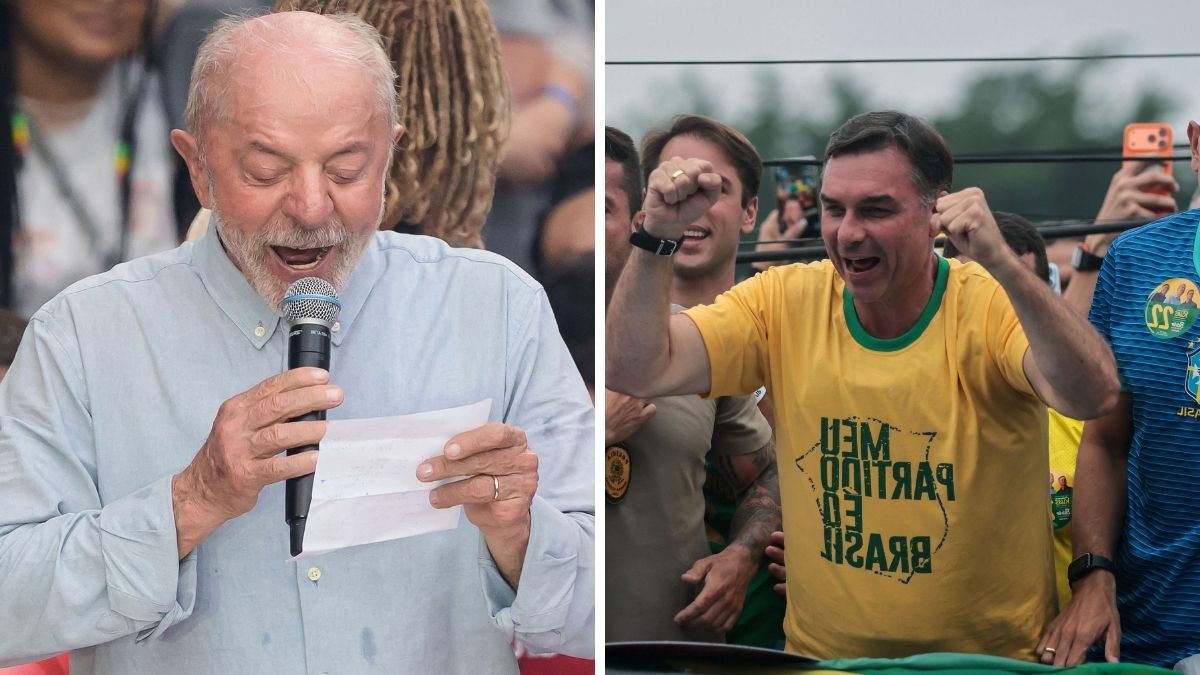
Elections in Latin America's largest democracy rarely pass quietly. When Luiz Inácio Lula da Silva and the political machinery of the Bolsonaro movement collided at the ballot box, the stakes went far beyond ordinary governance. This clash represented a fundamental referendum on democratic institutions, environmental policy, and the global rise of populist conservatism.
If you only watched the mainstream headlines, you missed the ground-level friction that made these electoral showdowns so volatile. Millions of voters faced an intense ideological polarization that split families, dominated digital feeds, and turned everyday conversations into high-stakes debates over the future of the nation.
The Anatomy of a Deeply Polarized Electorate
You cannot understand modern Brazilian elections without looking at the stark demographic and geographic divides. The country split into two distinct political realities. Urban centers, rural farming regions, the industrial southeast, and the northeast all prioritized entirely different survival metrics.
Lula built his core strength on a coalition of working-class citizens, social welfare advocates, and voters nostalgic for the economic stability of his earlier presidential terms. His messaging focused heavily on poverty reduction, raising minimum living standards, and restoring international credibility, particularly regarding the protection of the Amazon rainforest.
On the other side, the conservative movement rallied fiercely around traditional family values, law-and-order rhetoric, and free-market individualism. Millions of business owners, evangelical Christians, and rural agricultural powerhouses viewed Lula's return as an existential threat to economic growth and private property rights. This wasn't just a disagreement over tax rates. It was a culture war where both sides genuinely believed the soul of the country was hanging in the balance.
Disinformation, Digital Tribes, and the Battle for Attention
Long before voters cast their ballots, a fierce underground war raged across WhatsApp, Telegram, and major social media platforms. Digital strategy completely transformed how both camps mobilized support.
Independent creators, hyper-partisan influencers, and organized campaign units flooded feeds with rapid-fire narratives. Critics pointed out how unchecked algorithmic echo chambers accelerated extreme views, making objective truth nearly impossible to pin down. When candidates repeatedly questioned the reliability of electronic voting machines, trust in foundational public institutions took a massive hit.
This erosion of institutional trust didn't vanish when the votes were tallied. It created lingering tension that reshaped how citizens view the courts, the media, and electoral transparency. Winning an election became only half the battle; the harder task turned out to be convincing the losing half that the process was legitimate.
Economic Pressures Facing the Winning Administration
Electoral victories provide great television, but governing a fractured nation requires navigating brutal fiscal realities. Whoever holds the presidential sash faces severe budgetary constraints. A massive portion of the national budget is locked into mandatory spending, leaving very little room for ambitious social programs or infrastructure overhauls without sparking legislative battles.
Furthermore, congressional resistance remains a constant hurdle. Winning the executive branch does not hand a leader absolute power. A powerful conservative presence in the National Congress means every single policy proposal, tax reform, and ministerial appointment turns into a grueling negotiation.
If you want to track where Brazil goes from here, stop looking at campaign speeches and start watching legislative alliances. Real change happens in the quiet committee rooms where compromises are forced, not on the campaign stage where crowds roar.
What This Means for Global Politics
Brazil occupies a heavyweight position on the international stage. Its choices ripple directly through global climate policy, trade agreements, and geopolitical alignments between Western powers and emerging economies like China.
When a nation of over two hundred million people executes such a razor-thin electoral split, the rest of the world takes notes. The showdown between Lula and the Bolsonaro movement proved that democratic fatigue is a global phenomenon. Disillusionment with traditional politics, coupled with economic anxiety, creates fertile ground for populist leaders who promise absolute solutions to complex systemic problems.
Understanding this rivalry requires looking past the political theater. Pay attention to the persistent institutional friction, the shifting alliances in Congress, and the everyday resilience of citizens trying to build a stable future amidst political turbulence.


