The execution of a multi-national sporting tournament introduces a structural paradox: while the host nation intends to project geopolitical stability and capture economic premiums, the sheer scale of the event acts as a magnifying glass for deep-seated domestic friction. The kickoff of the World Cup in Mexico exposes this tension. By analyzing the opening events through the lens of macroeconomics and civil infrastructure, we see that mega-events do not temporarily pause domestic socio-political crises; rather, they accelerate them.
When an organizing committee matches cultural capital—such as global entertainment figures like Shakira—with state-sponsored infrastructure projects, the goal is to create a high-value global brand asset. However, the operational reality on the ground operates under a completely different cost function. The convergence of mass tourism, global media scrutiny, and localized civil unrest creates a highly volatile operating environment where public relations and civil stability constantly pull in opposite directions. Also making headlines lately: The Probability Illusion: Why Bookmakers Have the World Cup Entirely Backward.
The Three Pillars of Host Nation Risk
To understand how a global sporting event interacts with a host country's domestic reality, we must evaluate the tournament through three distinct, competing pillars.
1. The Cultural Extraction Premium
Host nations rely on cultural exports—music, choreography, historical imagery—to establish an immediate emotional connection with a global audience. The inclusion of Tier-1 global pop icons like Shakira serves a specific economic function: mitigating country risk premium. By anchoring the opening ceremony in globally recognized, apolitical entertainment, the host country attempts to shift the international narrative away from institutional instability and toward standardized commercial entertainment. This creates an artificial sentiment floor, ensuring broadcasting partners and corporate sponsors maintain their projected advertising yields. Further details on this are covered by FOX Sports.
2. Infrastructure Stress and Public Sentiment
The influx of international consumers puts immediate pressure on municipal infrastructure. When a government allocates capital to build state-of-the-art stadiums while public transport, healthcare, and public safety systems remain underfunded, the local populace faces a stark opportunity cost. The physical presence of a hyper-modern sports facility right next to neglected civil infrastructure acts as a permanent visual trigger for social friction.
3. Asymmetric Protest Dynamics
For domestic activist groups, a global sporting event represents a rare period of maximum leverage. When thousands of international journalists arrive with cameras and satellite feeds, the cost of capturing global attention drops to near zero. Activists use this asymmetry to stage protests that use the event's own media infrastructure to broadcast domestic grievances. The host government is forced into a difficult balancing act: deploy aggressive security forces and risk damaging its international image, or allow the protests to continue and risk losing operational control of the venue's perimeter.
The Cost Function of Global Visibility
The underlying assumption of mega-event organizers is that international visibility yields long-term foreign direct investment (FDI) and tourism growth. This assumption misses the true cost function of global exposure.
Total Visibility Impact = (Global Media Reach * Sentiment Index) - (Operational Disruption Costs + Reputational Capital Depreciation)
When civil unrest occurs during a heavily broadcasted opening match, the Sentiment Index drops sharply. The host nation incurs the massive fixed costs of staging the event but realizes a net negative return on reputational capital.
The structural bottlenecks that occur during these events follow a predictable sequence:
- Capital Misallocation: Public funds are diverted from high-yielding municipal projects into low-yielding, single-use sports infrastructure.
- Civil Displacement: Security perimeters and gentrification zones displace local informal economies, driving up domestic resentment before the first whistle even blows.
- Media Divergence: The official broadcast feed attempts to maintain a tightly controlled aesthetic (dancing, choreography, brand placement), while independent digital media channels broadcast the reality outside the stadium gates (protests, heavy security, civil friction).
This divergence creates a fragmented consumer experience. The corporate sponsor buys into a sanitized entertainment product, but the broader market reacts to the socio-political reality of the host nation.
The Operational Reality of the Opening Match
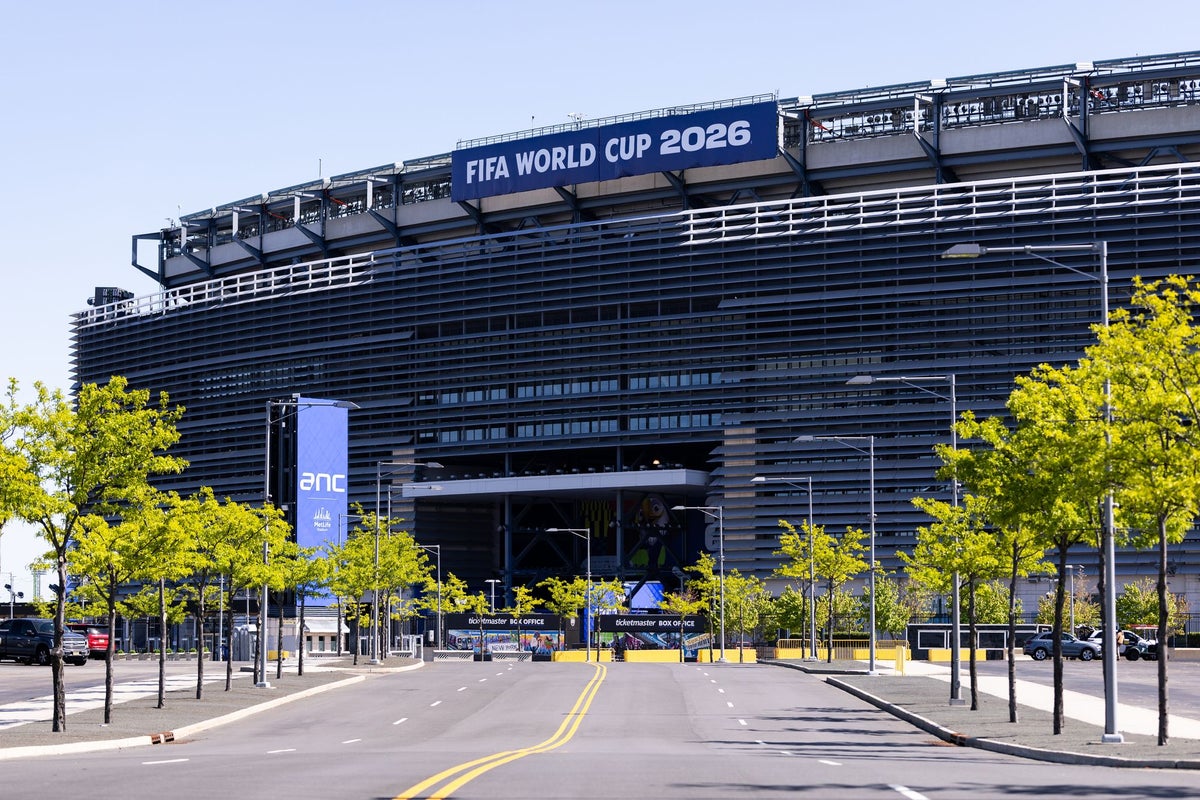
The opening match in Mexico serves as a live case study of this multi-variable friction. The stadium perimeter becomes a contested border. Inside, the environment is highly commodified, optimized for maximum corporate hospitality and broadcast quality. Outside, the environment is defined by security cordons designed to suppress civil disruption.
This structural split shows why the standard metrics used by sports governing bodies—such as raw ticket sales and linear television ratings—are fundamentally broken indicators of an event's success. These metrics completely ignore the long-term socio-economic externalities borne by the host city. A stadium can operate at 100% capacity while the surrounding municipality experiences deep economic friction and a breakdown in public safety.
The tension observed during the opening ceremonies highlights a systemic flaw in the modern mega-event business model. By demanding uniform, Westernized luxury infrastructure from developing economies, organizing bodies force host nations to take on debt and risk profiles that are fundamentally incompatible with their macroeconomic realities. The protests seen on day one are not isolated incidents; they are the logical, predictable output of an unsustainable economic framework.
Strategic Resource Allocation for Future Hosts
Organizers and municipal governments preparing for subsequent phases of the tournament cycle must abandon the traditional public relations playbook and adopt an operational-resilience model.
First, security frameworks must shift from a model of visible suppression to one of strategic containment. High-visibility tactical policing right outside stadium gates validates the protesters' message on the global stage, confirming the narrative of an authoritarian state prioritizing corporate interests over civil liberties. Security perimeters should be extended miles beyond the venue, utilizing passive traffic management to defuse crowds long before they reach media cameras.
Second, host cities must implement a parallel capital allocation fund. For every dollar spent on venue optimization, a calculated percentage must be visibly deployed into immediate, short-term municipal relief projects in the host zone. This directly counters the core argument of activist groups, lowering the overall social friction in the community.
The final strategic imperative requires broadcasting partners to alter their narrative management. Trying to completely block out external civil realities during a live broadcast creates a credibility gap that modern audiences quickly expose on secondary digital channels. Production teams must integrate the socio-political context into the pre-match narrative, reframing the friction as part of the host nation's complex reality rather than trying to mask it behind pop performances and artificial pageantry. Managing this tension transparently is the only way to protect the long-term value of the tournament's brand equity.