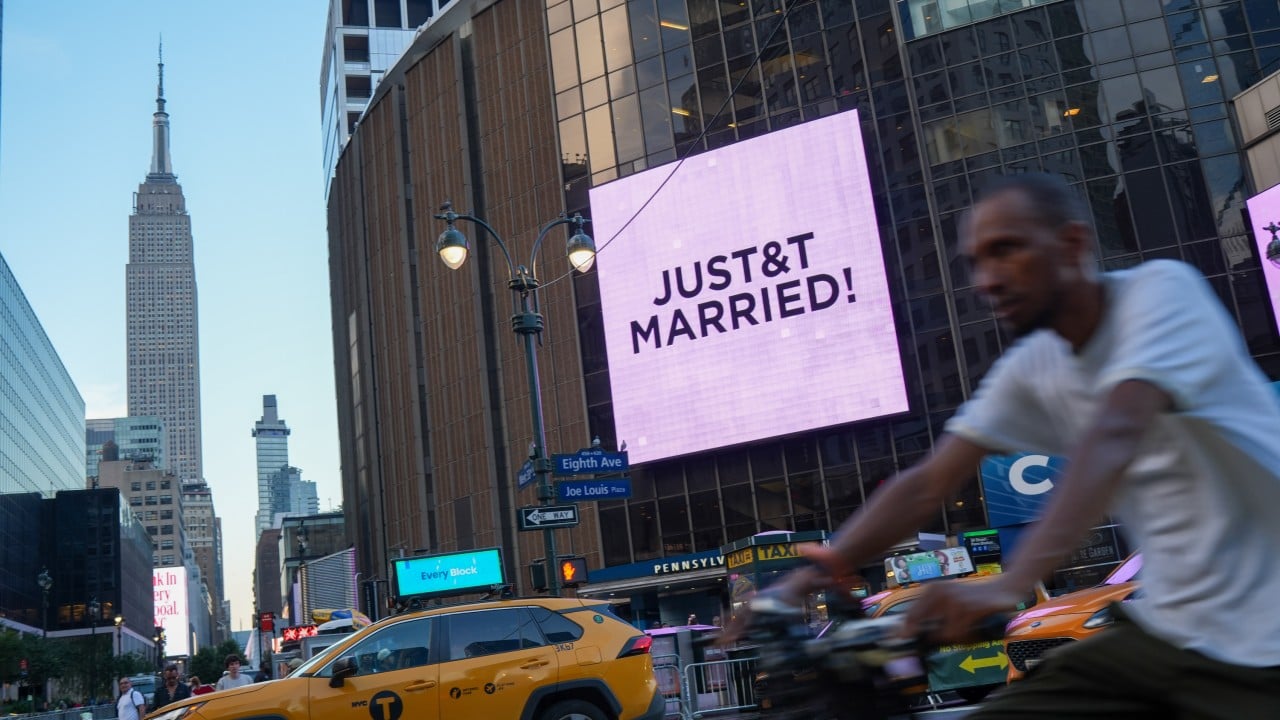
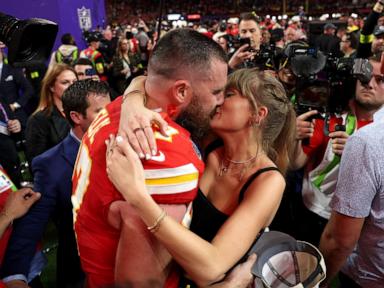
The headlines are dripping with predictable sentimentality. Look at the mainstream press scrambling to paint the Taylor Swift and Travis Kelce nuptials at Madison Square Garden as the "fairytale event of the century." They talk about the screaming crowds outside. They marvel at the logistics of transforming an iconic sports arena into a cathedral of pop culture. They treat it like a spontaneous outburst of pure, unadulterated romance that just happened to capture the global imagination.
They are missing the entire point.
This was not a wedding. It was a masterclass in modern corporate staging, executed with military precision to solve a very specific problem: the diminishing returns of traditional celebrity exposure.
To view this event through the lens of romance is to completely misunderstand how the attention economy works in the mid-2020s. Having spent over a decade analyzing entertainment branding and media syndication metrics, I can tell you that the "organic frenzy" reported by the legacy press was about as accidental as a product launch at Apple.
The Economics of a Stadium Nuptial
Let's dismantle the lazy narrative that this was about "bringing the fans along for the ride."
For two of the most over-exposed human beings on the planet, a private island wedding would have been the easy way out. It would have also been a massive waste of equity. When you reach the upper stratospheres of fame, privacy is a luxury, but hyper-visibility is an asset class.
The decision to hold a ceremony at Madison Square Garden—a venue synonymous with high-stakes sports drama and legendary musical residencies—was a calculated merging of two distinct multi-billion-dollar fanbases.
The Audience Synergy Fallacy
- The Myth: The event bridged the cultural gap between sports fans and pop music fanatics.
- The Reality: It commodified both demographics into a singular, highly monetizable viewership block.
By utilizing a massive public arena instead of a private estate, the operation transformed a personal milestone into a live broadcast event without the need for a traditional network television deal. The crowds outside were not just onlookers; they were unpaid extras providing free production value for every social media stream and paparazzi lens within a five-block radius.
Dismantling the "People Also Ask" Delusion
Whenever an event of this scale occurs, the public search queries reflect a profound misunderstanding of how celebrity machinery operates. Let’s address the most common assumptions with brutal honesty.
"How much did the Madison Square Garden wedding cost?"
Most commentators are busy calculating the price of security detail, arena rental fees, and custom designer wear, throwing around numbers in the tens of millions. They are asking the wrong question. The actual out-of-pocket cost to the couple is irrelevant because an event structured like this operates on a network of brand partnerships and tax-write-off infrastructural costs.
When a stadium wedding drives unprecedented foot traffic to local businesses, spikes the stock of parent entertainment groups, and generates hundreds of millions of dollars in earned media value for associated sponsors, the event pays for itself before the vows are even finished. It is a revenue generator, not an expense.
"Why didn't they choose a private location to avoid the crowds?"
The premise assumes that crowds are an inconvenience to be avoided. For an empire built on stadium tours and NFL broadcast ratings, crowds are the lifeblood. Privacy does not trend on TikTok. Privacy does not sustain a multi-year media narrative. By inviting the chaos of Manhattan into the wedding itinerary, the couple ensured that the event remained un-ignorable.
The Dark Side of the Hyper-Public Marriage
Let’s be clear about the risks. I have watched major celebrity brands completely collapse under the weight of their own manufactured narratives. When you turn your personal life into a stadium-sized spectacle, you lose control of the ending.
[Spectacle Scale] ----> [Public Ownership] ----> [Brand Fragility]
The moment a relationship becomes public property on this scale, the narrative requires constant escalation to maintain public interest. A stadium wedding sets a dangerous precedent. What comes next? How do you top a Madison Square Garden ceremony when the public appetite demands another hit of adrenaline?
This contrarian approach to personal milestones has a steep cost. It strips away the last remaining boundary between the performer and the product. When the product is your actual life, burnout isn't just a risk—it is an inevitability.
The Real Blueprint for Industry Insiders
If you are a brand strategist or an executive looking at this event trying to figure out how to replicate it for your own talent, stop looking at the guest list. Look at the distribution model.
- De-escalate traditional media exclusivity. The old playbook involved selling wedding photos to a legacy magazine for a flat fee. This event proved that distributed, decentralized content creation by thousands of fans outside the venue creates a far more powerful, authentic-looking footprint than a polished magazine cover ever could.
- Weaponize the venue. Do not pick a pretty location. Pick a location that already carries massive cultural weight for both industries you are trying to dominate.
- Ignore the purists. There will always be critics decrying the commercialization of sacred institutions. Ignore them. The metrics show that the public craves the spectacle far more than they respect the tradition.
The mainstream media can keep writing their fluff pieces about true love in the big city. The rest of us see this for what it truly is: the ultimate optimization of celebrity capitalism, disguised as a love story.