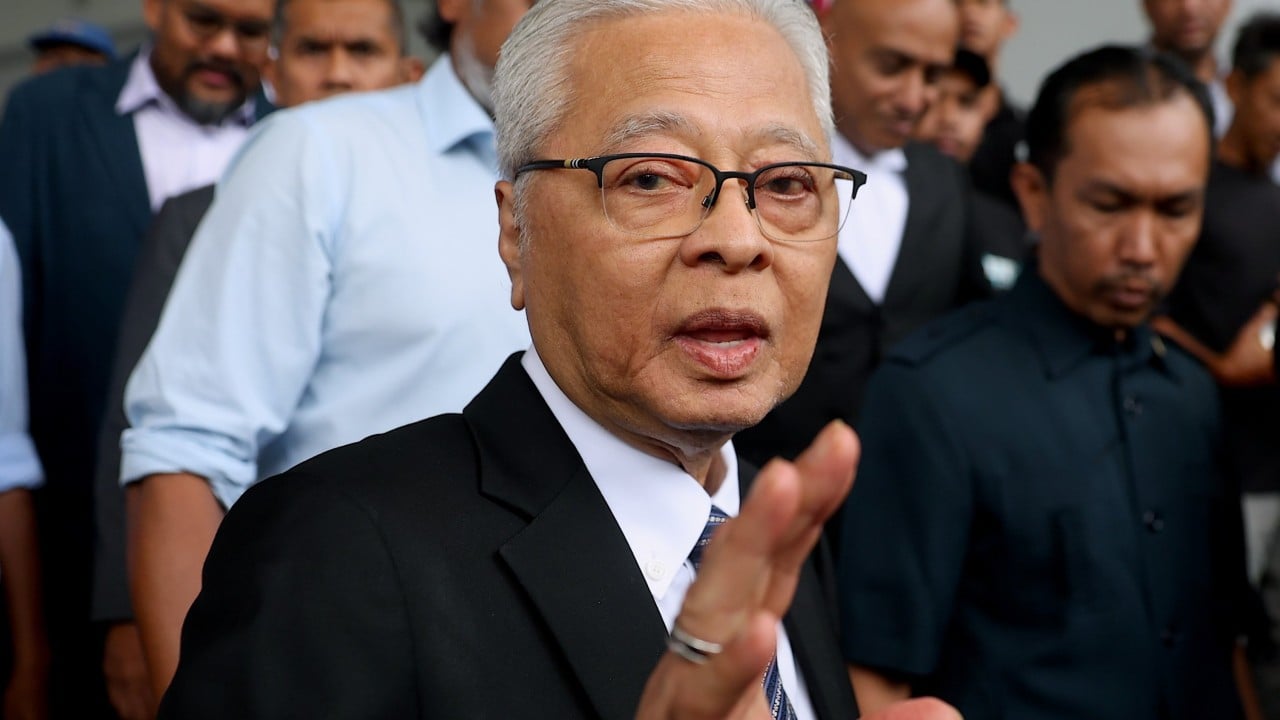
Another day, another former Malaysian prime minister marching into a courtroom. Former leader Ismail Sabri Yaakob just became the third consecutive modern premier to face criminal prosecution after leaving office. If you have been following Southeast Asian politics, the script feels painfully familiar. Investigators raid properties, staggering amounts of cash and precious metals surface, and denials ring out from the defense table.
Ismail Sabri walked into a Kuala Lumpur Sessions Court to face charges tied directly to an asset declaration notice issued by the Malaysian Anti-Corruption Commission. The core accusation is not outright theft on the spot, but rather a stubborn refusal or failure to completely declare millions in local and foreign currencies alongside a hefty stash of gold bars. He pleaded not guilty, posted bail, and the legal machinery cranked into motion. Learn more on a similar topic: this related article.
The Anatomy of the Asset Declaration Charges
Let us look at what investigators actually claim to have found. The numbers bandied about by the MACC are staggering. Back during raids tied to a sprawling corruption and money-laundering probe, anti-graft officers reportedly seized roughly 170 million ringgit worth of cash across multiple foreign currencies, plus roughly 16 kilograms of pure gold bars.
When the anti-corruption agency slapped Ismail Sabri with a formal notice to account for these massive holdings, his written response apparently fell short. The formal charge sheet accuses him of failing to comply with that directive under the MACC Act. The listed assets in question touch nearly forty million dollars equivalent, spanning everything from Singapore dollars and US greenbacks to Swiss francs, euros, Japanese yen, and those disputed Suisse fine gold bars. Further journalism by NPR delves into similar views on the subject.
If convicted under this specific section of the law, the penalty caps out at five years in prison and a fine of 100,000 ringgit. For a man who held the highest office in the country, even for a brief fifteen-month tenure from 2021 to 2022, the fall is precipitous.
A Troubling Tradition for Former Leaders
Malaysia is carving out a unique political legacy. Ismail Sabri is now the third former prime minister in recent history to face criminal indictments. He follows in the turbulent footsteps of Najib Razak, who is currently serving time behind bars over the massive 1MDB state fund scandal, and Muhyiddin Yassin, who has faced his own battery of money-laundering charges.
When Ismail Sabri took power as a consensus figure during a deeply fragmented political crisis, supporters hoped for steady governance. Instead, his short stint has now dissolved into post-premiership legal battles that mirror the systemic graft investigations plaguing the nation's highest echelons. His defense team, led by lawyer Amer Hamzah Arshad, has signaled intentions to challenge the legality and propriety of the charges. They argue the technicalities of the asset declaration notice itself are wide open for legal dispute.
What Happens Next in the Courtroom
Trials of this magnitude move slowly. Ismail Sabri's initial court appearance was already delayed due to medical treatment at the National Heart Institute, pointing toward a protracted legal war of attrition.
The prosecution has to prove beyond a reasonable doubt that the MACC notices were legally sound, properly served, and willfully ignored or falsified. Meanwhile, the defense will probe every procedural misstep made by investigators during the initial raids on properties and alleged "safe houses".
Keep a close eye on how the courts handle the burden of proof regarding asset concealment laws. This case sets a massive precedent for how aggressively Malaysia can target former leaders who fail to transparently explain their wealth. Check local legal updates for the next scheduled court hearing dates to follow the trial's progression.


