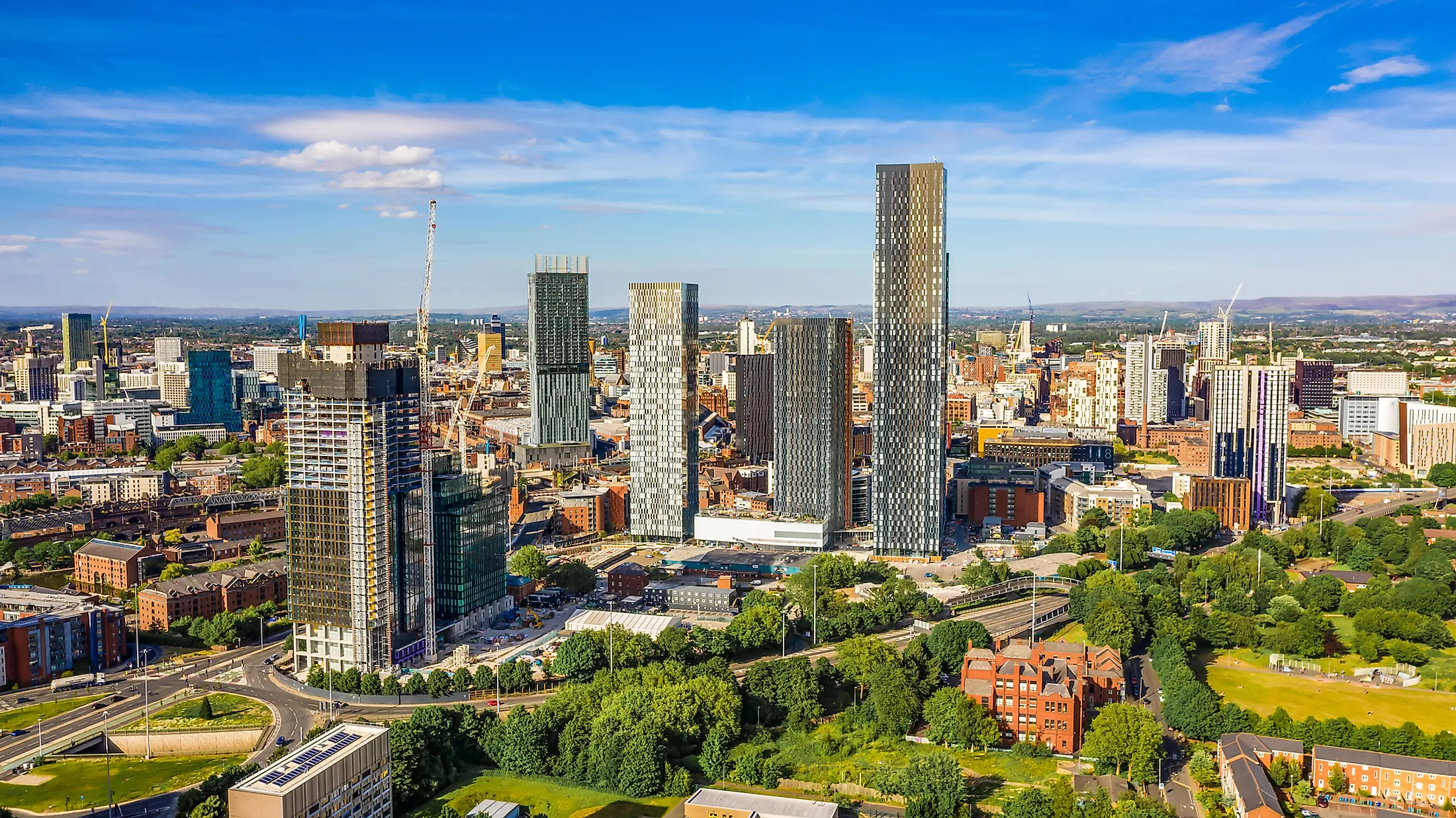
When a prominent political leader publicly frets over the potential departure of a football club's financial backers while those very backers sit under the heavy cloud of historic regulatory breaches, the mask slips on modern sport. Prime Minister Andy Burnham’s recent declaration that he would be deeply concerned to lose Manchester City’s ownership—attributing urban regeneration and global prominence directly to the City Football Group—ignited a fierce firestorm. Critics pointed to an unseemly defense of an accused institution, while regional realists nodded quietly at the billions injected into local infrastructure. This friction reveals an uncomfortable truth. Modern football clubs are no longer community assets or mere athletic enterprises. They have evolved into sovereign geopolitical instruments, deemed too structurally vital to fail and too politically sensitive to punish.
The core controversy is stark. Following an independent commission's findings that Manchester City breached numerous Premier League financial regulations, the debate transcended sports law. It crashed directly into the realities of regional economics and international diplomacy. Burnham, long tied to the civic fortunes of Greater Manchester, chose to emphasize the tangible local dividends delivered by Abu Dhabi’s capital investment. East Manchester transformed from a post-industrial wasteland into a glittering hub of modern development. Yet, this transactional defense lays bare the structural rot at the heart of the English game. When a local economy relies on petrodollar infusion to compensate for decades of central government neglect, sporting integrity becomes a secondary casualty. Don't forget to check out our previous post on this related article.
The Illusion of Regulatory Independence
For years, football administrators promised that independent panels and strict financial controls would safeguard the competitive balance. That illusion is shattering. The moment an independent commission hands down monumental guilty verdicts, political actors step into the fray to manage the fallout. Downing Street was forced to issue clarifying statements, walking a tightrope between upholding the rule of law and placating a major international ally.
This dynamic exposes the profound conflict of interest embedded in state ownership. When a football club is backed by a nation-state, regulatory punishment is never isolated to a points deduction or a financial fine. It threatens diplomatic channels, trade agreements, and massive domestic regeneration projects. Burnham’s anxiety is not merely about losing a competitive football team; it is about confronting the sudden vacuum left by a primary sponsor of civic infrastructure. If you want more about the context here, CBS Sports provides an in-depth breakdown.
The Price of Regeneration
To understand why a major political figure would risk intense backlash to defend the footprint of a controversial ownership group, one must examine the state of regional investment in the United Kingdom. Decades of underfunding left northern post-industrial cities starved of private capital. When the Abu Dhabi United Group arrived in East Manchester, they did not just buy a football club; they stepped into a vacuum left by the state.
Housing projects, community facilities, and transport links materialized because a foreign government decided to deploy its sovereign wealth into urban rebranding. Consequently, local leaders found themselves caught in a Faustian bargain. Accept capital of dubious regulatory origin, or watch your constituents remain trapped in economic stagnation. When financial doping rules are subsequently enforced, the local populace is conditioned to view the regulator not as a protector of fair play, but as a hostile entity threatening their newfound prosperity.
This reality poisons the integrity of competition. If sporting rules cannot be applied uniformly because an offender is economically indispensable to a region, the competition is a sham. Fans of rival clubs understand this instinctively. They watch as legal battles drag on for years, weaponized by endless resources, while smaller clubs face swift, unyielding sanctions for minor administrative lapses. The disparity breeds deep cynicism, turning football into an oligarchical playground where rules bend to accommodate geopolitical utility.
The Sovereign Wealth Dilemma
The broader question facing English football is how it intends to untangle itself from this web. Having flung open the doors to foreign state actors in pursuit of global broadcast dominance, the Premier League created a monster it can no longer control. The incoming Independent Football Regulator now faces an impossible mandate. It is tasked with policing financial fair play in an ecosystem where the biggest players possess infinite legal armor and deep political backing.
If the regulator backs down in the face of political anxiety or economic threats, it loses all institutional credibility. If it presses forward with severe, existential punishments, it risks triggering diplomatic retaliation and economic withdrawal from key international partners. Either path carries a heavy cost, proving that the Premier League’s golden era was built on shifting sand.
Football was warned years ago. Every voice that cautioned against the unchecked influx of state-backed capital was dismissed as romantic nostalgia or parochial bitterness. Now, the bill has arrived. As politicians scramble to protect local investments while paying lip service to sporting fairness, the soul of the game hangs in the balance. The crisis at Manchester City is not an anomaly; it is the inevitable destination of a sport that sold its governance to the highest bidder.



