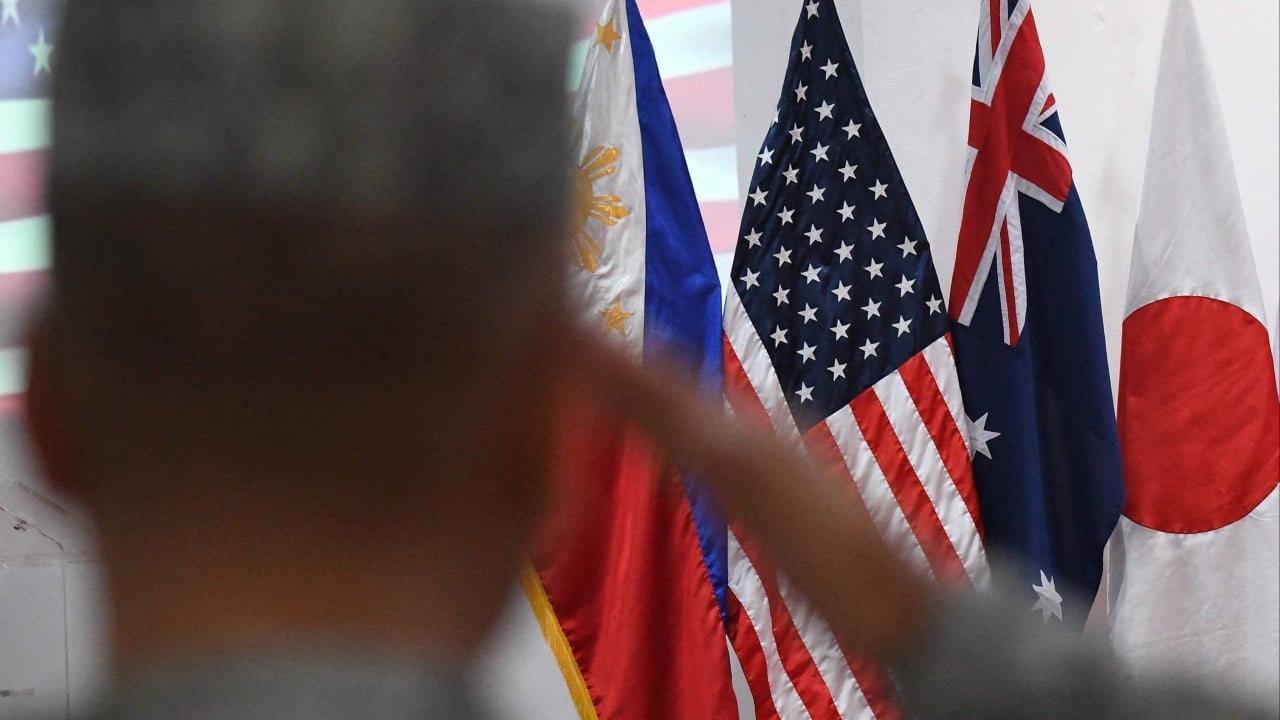
Manila is playing a high-stakes hand right before Donald Trump sits down with Xi Jinping. Stacking bilateral upgrades, Quad huddles, and security talks into a tight November window looks less like long-term grand strategy and more like a calculated bid to lock in external backing before great powers cut deals over Southeast Asia's head.
If you watch Indo-Pacific diplomacy closely, you've seen this movie before. Smaller states get nervous when big powers schedule high-level summits. So they rush to collect commitments while the spotlight is hot.
That isn't automatically reckless. Honestly, when your coast guard is facing maritime pressure and big capitals are trading tariffs, rare earth curbs, and chip controls, sitting quietly and hoping for the best is a terrible plan. Still, calling Manila's diplomatic blitz opportunistic captures a real tension: speed and leverage can outrun institutional buy-in.
Why Manila's Minilateral Push Feels So Urgent
The timing explains almost everything. Hosting the 49th ASEAN Summit in mid-November 2026 gave the Philippines a built-in stage right before Trump headed to China for APEC and high-stakes talks with Xi and Vladimir Putin.
In foreign policy, minilateralism means smaller groups of like-minded countries working together on specific problems instead of waiting for ten or eleven nations to reach consensus. Think defense pacts with Canberra, Quad consultations in Manila, and targeted maritime or tech alignments.
Look at the South China Sea map above and the stakes jump off the page. Overlapping exclusive economic zones and contested features put Philippine vessels right in the middle of friction near places like the Scarborough Shoal. When Washington and Beijing prepare to talk trade, semiconductors, critical minerals, and regional security, smaller frontline states worry they'll become bargaining chips.
Manila's answer has been to stack commitments fast. On November 15, 2026, the Philippines and Australia signed an upgraded defense cooperation arrangement aimed at cutting through coordination bottlenecks under their Status of Visiting Forces Agreement. Defense Secretary Gilberto Teodoro Jr. put it bluntly, saying the deal turns a 100-step process into roughly 10 steps.
Around the same summit stretch, Quad leaders gathered in Manila and rolled out initiatives touching artificial intelligence, supply chains, and maritime security while Trump praised the U.S.-Philippines alliance ahead of his China trip. From Manila's chair, getting ink on paper before Trump flew to China was smart timing.
What Critics and Analysts Actually Point Out
Calling the move opportunistic doesn't mean everyone agrees it's bad. Analysts use the word in two very different ways.
For supporters, opportunism is just good statecraft. You don't wait for a calm sea to reinforce your ship. As research from the ANU Philippines Institute on regional crisis dynamics notes, regionally anchored minilateralism widens practical options below the threshold of war and helps partners build habits before a real crisis hits.
Skeptics see a sharper catch. When a host government bundles fast security upgrades, tech supply-chain pledges, and summit optics right before a major U.S.-China meeting, it can look transactional. Worse, it risks creating expectations that outside partners won't actually fulfill once their own big-power negotiations start.
There's also friction closer to home. Initiatives like the U.S.-backed Pax Silica semiconductor push have drawn pushback from farmers, Indigenous groups, and rights advocates worried about land use, displacement, and local impact—even as officials stressed that industrial hubs like New Clark City in Tarlac are meant to sit in designated buildable zones. Critics argue that rushing big strategic deals for diplomatic momentum can outrun domestic consensus.
The ASEAN Centrality Trap Behind Every Deal
Here's the mistake plenty of observers make when watching Manila: they treat ASEAN and minilateralism as opposites. In reality, they're tangled together.
ASEAN runs on consensus and non-interference. That makes it slow on hard security disputes, which is why countries turn to smaller groupings for faster action. Yet as analysis from the S. Rajaratnam School of International Studies points out, groupings like the Quad still rely heavily on ASEAN's convening power and regional legitimacy to avoid looking like a purely anti-China bloc.
A quick reality check: A signed defense pact or summit pledge doesn't automatically translate into ships on station, faster crisis decisions, or long-term budget follow-through.
If Manila leans too hard into exclusive alignments during its ASEAN chairship, some neighbors will worry the bloc is being pulled into great-power rivalry. If Manila leans too hard into ASEAN consensus, practical maritime deterrence can stall. Walking that line is exhausting, and honestly, no summit communiqué solves it on its own.
Four Practical Ways to Read the Fallout
If you're tracking this story beyond the headlines, don't get stuck on who sounded toughest at the podium. Look at what changes on the ground over the next few months.
- Watch operational speed, not photo ops. A streamlined visiting-forces arrangement only matters if joint patrols, logistics, and disaster or maritime responses actually move faster.
- Separate summit rhetoric from binding policy. Leaders routinely talk up trade, technology, and security right before big bilateral meetings, yet concrete follow-through often takes months or gets sidetracked.
- Track domestic pushback on strategic projects. Supply-chain and industrial corridors can stall or reshape politically if local land, livelihood, and environmental concerns aren't addressed early.
- Check how ASEAN neighbors react. Pay attention to whether neighboring capitals quietly echo Manila's concerns or keep their distance to protect their own trade ties with Beijing.
The real test of Manila's minilateral push isn't whether it looks clever before a Trump-Xi meeting. It's whether those arrangements still hold weight once the cameras leave and the hard bargaining begins.


