Ink dries quickly on diplomatic paper. Flesh takes much longer to heal.
I remember sitting in a room where the air smelled of stale coffee and old wool, watching men in sharp suits trace thick black lines across a map they would never have to walk. They spoke in acronyms. They used words like framework, cessation, and phased implementation. To them, these were variables on a spreadsheet, pieces to be slid across a green felt table until the math added up to something they could call stability.
Down the street, outside that air-conditioned sanctuary, the dust tasted of concrete and ruined mortar.
History is rarely decided in grand halls. It is decided in the sudden silence that follows an explosion, or in the stubborn refusal of a single individual to sign their name to a piece of paper that feels like a sentence.
Consider the friction of a blueprint meeting reality.
When the United States presented its latest architectural vision for the future of Gaza, the architects in Washington and their regional partners believed they had constructed a sturdy house. They built it out of security guarantees, transitional governance committees, and multilateral oversight. It was designed to outlast the rubble. It was drafted with the heavy machinery of international pressure and quiet, urgent phone calls made past midnight.
Every corridor of power hummed with the same assumption. This was the only way forward.
Then came the rejection.
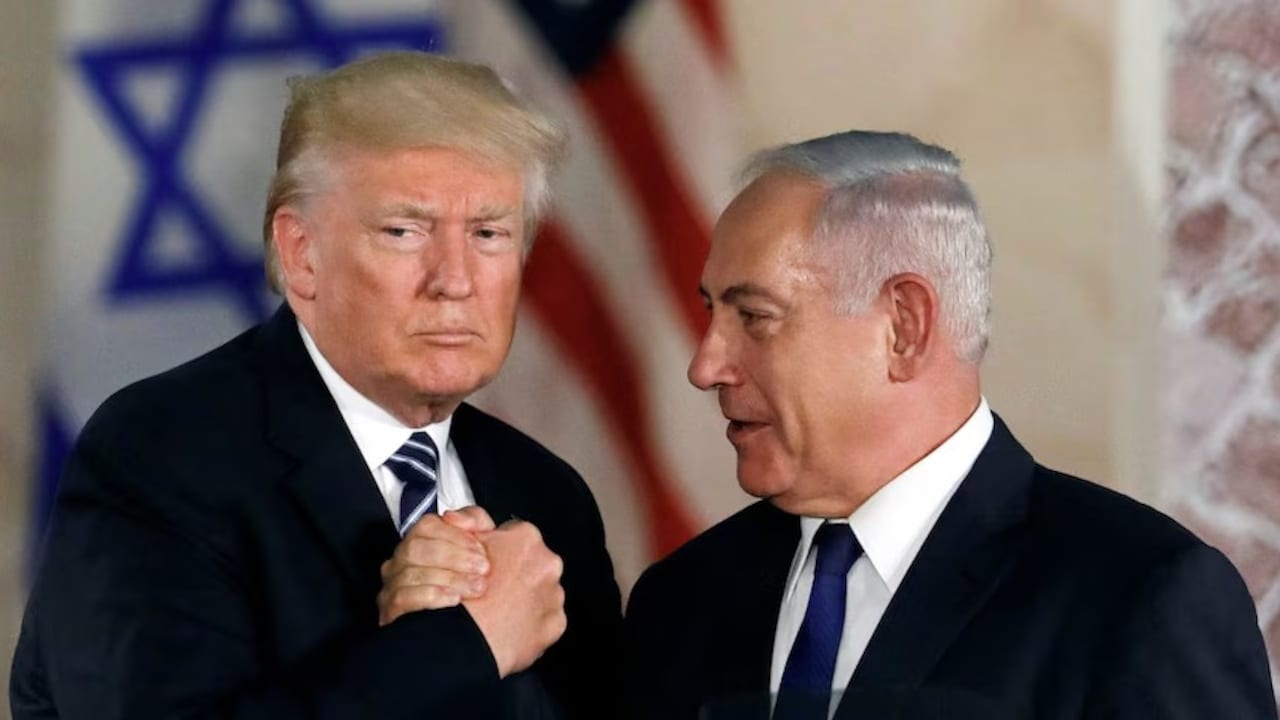
It was sharp. It was absolute. Benjamin Netanyahu looked at the blueprint, looked at the architects, and turned the table over. To the Israeli leadership, the proposed architecture felt less like a shelter and more like a trapdoor, a sequence of concessions that traded immediate leverage for a promissory note written by foreign capitals. In their calculation, an externally imposed architecture of peace was simply an invitation to future catastrophe.
The board head of the American proposal argued otherwise. He insisted, with the weary frustration of a contractor whose design has been mocked by the client, that this was the only path remaining. He warned that without this specific scaffolding, the entire structure would collapse into endless, circular violence.
Both sides are entirely convinced of their own survival. That is what makes the stalemate so terrifying.
Walk through the alleyways of any contested city long enough, and you begin to understand that human beings do not live on spreadsheets. They live in the terrifying gap between what is promised and what arrives. When leaders argue over governance boards and phased withdrawals, a mother in Gaza counts the hours until sunrise, and a family in Tel Aviv listens for sirens that might never sound, or might sound too late.
We look at these grand geopolitical chess matches and search for the hidden masterstroke. We want to believe that a better diplomat, a sharper phrase, or a heavier financial incentive could instantly rewrite human fear. But fear is not an error in the code. Fear is the operating system.
When a leader rejects a foreign-backed blueprint, they are not just negotiating terms. They are signaling to their constituency that they refuse to mortgage tomorrow for the sake of a photograph today. And when the international community insists that its plan is the sole survivor on the table, it is admitting a deep, quiet terror of its own: the fear that if this map fails, there are no more maps left to draw.
The problem with a single track is that it leaves no room to swerve.
Think about how we navigate our own lives when the ground gives way beneath us. We cling to certainty because the alternative requires stepping into a dark room where we cannot see the furniture. Politicians do the same thing, only on a scale measured in thousands of lives rather than personal regrets. They armor themselves in intransigence. They turn refusal into a virtue, because admitting that a plan is flawed feels dangerously close to admitting defeat.
Yet, beneath the political maneuvering, something more elemental is grinding forward.
The people who must live in the aftermath of these decisions are remarkably clear-eyed about the theater of it all. They know that a board head in a distant capital can draft twenty variations of a peace accord, but peace does not descend from a committee room. It grows, painfully and slowly, out of the exhaustion of people who simply refuse to bury another generation.
We are left watching a collision between two immovable absolutes. One side demands a security framework that guarantees absolute control against future storms. The other demands a political framework that recognizes the humanity and sovereignty of a traumatized population.
Can both be true? Perhaps. But the bridge between them has not yet been built.
The ink on the rejected plan is already fading. New drafts are being scrawled in margins behind closed doors, whispered over secure lines, whispered by intermediaries who know that doing nothing is a choice with a body count.
Listen closely to the silence after the doors close. That is where the real history is being written. Not in the press releases. Not in the defiant speeches delivered behind armored podiums. It is written in the quiet, desperate hope of ordinary people who wake up every morning in a world designed by politicians, and somehow find a way to make it through another day.
The map has burned. We are standing in the dark, feeling for the walls, wondering what comes next when the only way forward is the one we have to build with our bare hands.