The coffee grows cold on the table in Jerusalem. It always grows cold, because the person sitting across from the cup is too busy calculating margins of error that involve human skin.
You can smell the dry dust of the summer heat pressed against ancient limestone, but inside the room, the climate is controlled by quiet diplomacy, shuttered blinds, and the terrifying weight of what has not yet been said. Maps are spread out like old paper tablecloths. Lines drawn in blue ink divide neighborhoods, refugee routes, and underground corridors where the air tastes of sulfur and fear. If you enjoyed this piece, you should read: this related article.
History does not move in a straight line. It stammers. It circles back on itself.
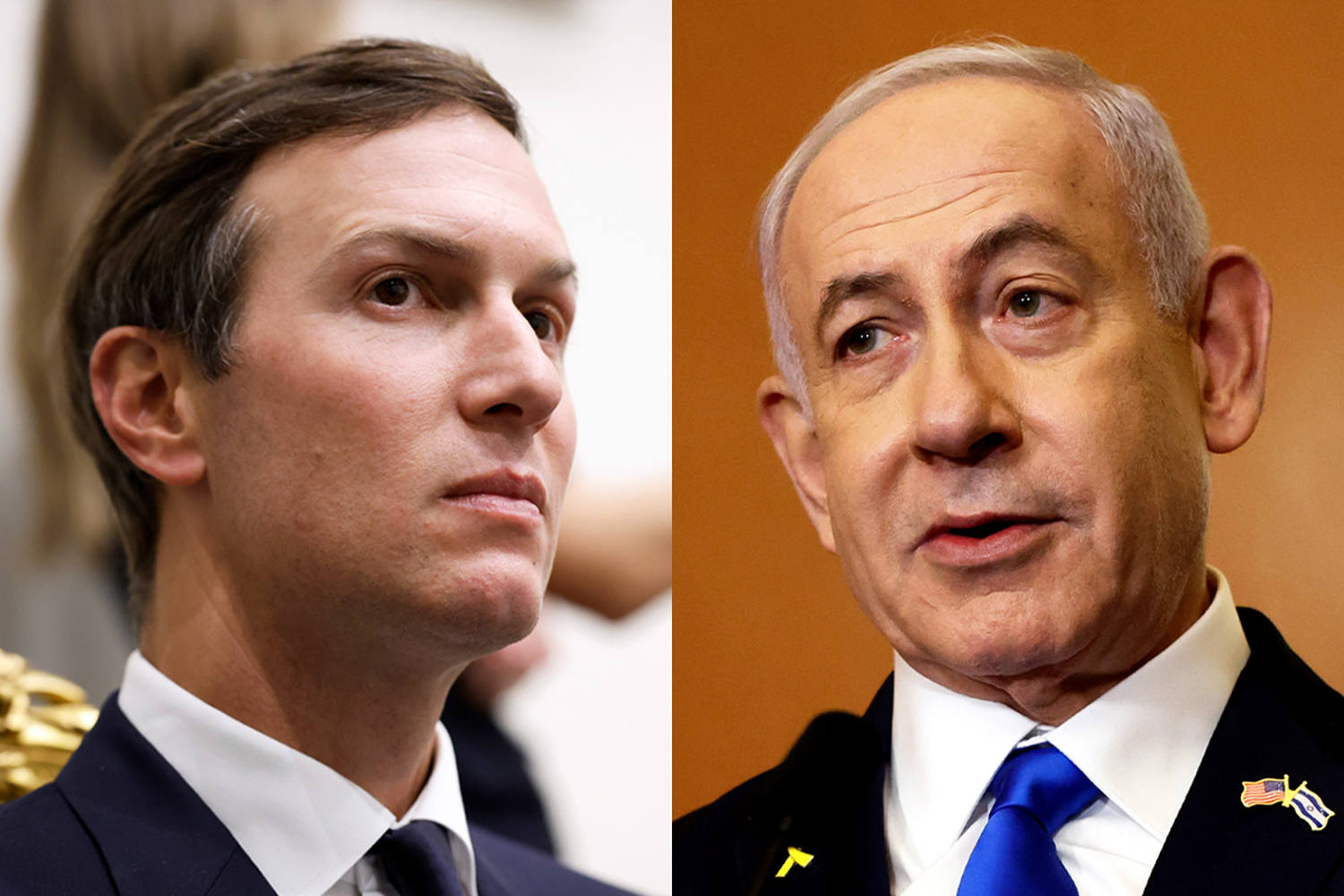
Jared Kushner sits across the table from Benjamin Netanyahu, a pair of figures bound to an architecture of negotiations that refuses to collapse completely, no matter how many times the foundation shakes. Outside, the city breathes its usual frantic rhythm, unaware that in private offices, the ghost of a stalled Gaza plan is being dragged back into the light. This is not happening in a vacuum. Just miles away, quiet channels have hummed with rare direct communication involving Hamas. The architecture of a stalled peace is being inspected for cracks, for load-bearing walls that might still hold weight if someone is willing to push hard enough. For another angle on this development, refer to the recent update from NPR.
Consider what happens when a blueprint fails.
In the construction trade, you tear down the drywall, curse the architect, and start over. But when the building material is human lives, you cannot simply throw away the frame. You have to patch the splintered wood while people are still sleeping inside.
To understand why these meetings still happen—why old architects of dead deals are summoned back to the table—you have to look past the press releases and the calculated leaks. You have to look at the geometry of exhaustion. Both sides are running out of better options. The current stalemate is a slow bleed that benefits no one, yet every exit route looks like a trap.
Think of a negotiation like a game of high-stakes chess played in total darkness. You cannot see your opponent's pieces, but you can hear the faint click of wood against wood. You move a pawn forward. You wait. A long, agonizing silence follows. Then, a counter-move arrives from an unexpected direction—perhaps whispered through Qatari or Egyptian mediators, touching hands that would never normally meet across a formal table.
That is the hidden reality of the recent back-channel talks with Hamas. They are not born of sudden goodwill. They are born of arithmetic. The math of prolonged conflict yields a zero-sum product where the only variable left to spend is time, and time is running out.
When Kushner steps back into this orbit, he brings a specific brand of transactional optimism. It is a worldview that believes every knot can be untied if you offer the right economic incentives, if you redraw the economic borders clearly enough. It is a philosophy that treats geopolitics like a massive real estate development waiting for the right zoning permits.
Sometimes, that works. Sometimes, money and infrastructure can quiet the guns long enough for people to remember what peace looks like.
Other times, it feels like trying to paint a house while it is actively on fire.
I remember standing near a checkpoint years ago, watching a mother try to convince a bored teenager with a rifle that her basket of tomatoes mattered more than his security protocol. She wasn't political. She didn't care about resolutions passed in distant halls or economic frameworks designed by men in tailored suits thousands of miles away. She just wanted her tomatoes to reach the market before the sun spoiled them.
That is the part the maps leave out. The tomatoes. The school bells. The sudden, paralyzing terror of a siren cutting through a quiet Tuesday afternoon.
When Netanyahu looks at the proposals brought back from these rare, clandestine touchpoints, he is not just weighing strategic advantage. He is calculating domestic survival, coalition pressure, and the unyielding ghosts of past failures. Every concession is a potential dagger in the back from political allies who view compromise as a fatal infection.
And on the other side, the negotiators speaking for Hamas—or channeling their demands through regional intermediaries—are trapped in their own brutal calculus. They know their military capacity has been systematically degraded, yet they cling to the stubborn belief that endurance is a victory in itself. They demand the lifting of blockades, permanent ceasefires, and the release of prisoners, knowing full well that asking for the moon is the only way to avoid walking away with nothing.
Stalled plans do not die; they simply go into hibernation, waiting for the weather to change.
The meetings in Jerusalem are the weather changing.
Are they enough to break the deadlock? Probably not today. Probably not tomorrow. But diplomacy is rarely about the sudden miracle. It is about the hundred small, agonizing conversations that happen in the dark, laying the groundwork for a breakthrough that everyone claims is impossible until the exact moment it happens.
The coffee grows cold. The maps are folded up, creased along lines that have been drawn and redrawn for generations. The men in the room stand, shake hands with practiced formality, and step back out into the harsh, blinding Mediterranean sun.
Somewhere beneath the rubble of a shattered city, a child kicks a deflated soccer ball against a crumbling concrete wall, waiting for a future that has been promised a thousand times, and denied just as often.
The silence that follows is deafening.
It is waiting to be broken.