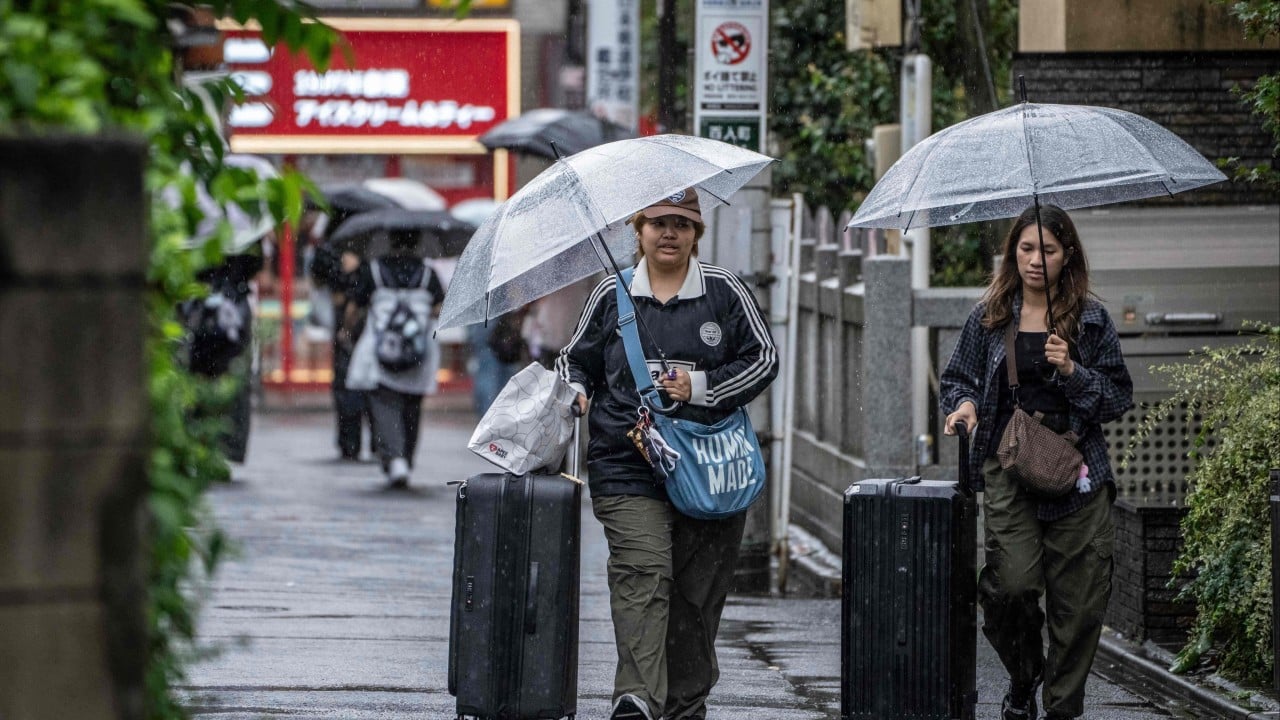
Lukas sat in the terminal at Frankfurt, staring at a boarding pass that felt heavier than the twenty-kilo suitcase at his feet. He was seventeen. He had a vocabulary of three hundred English words, most of them culled from song lyrics and action movies. In his mind, America was a neon-soaked montage of Times Square, palm trees in Malibu, and perhaps a high-speed chase through the streets of San Francisco. He expected a movie. He was about to get a kitchen table in suburban Ohio.
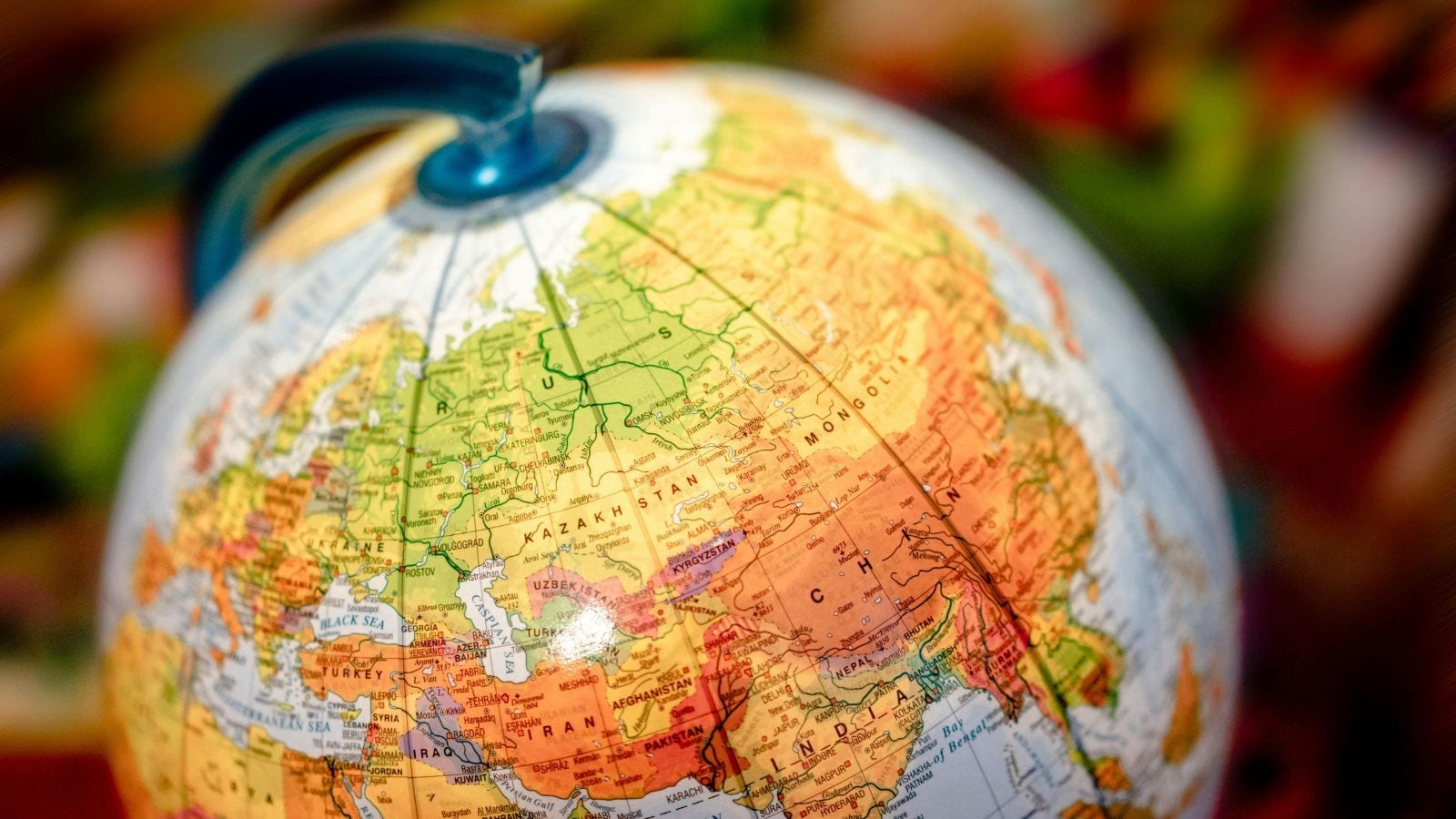
This is the silent alchemy of the international exchange program. We talk about these initiatives in the language of logistics: visas, credit transfers, host family background checks, and flight paths. But the mechanics are the least interesting part of the story. The real work happens in the quiet spaces between the itinerary points. It happens when a teenager from a village in Germany or a skyscraper-dense neighborhood in Tokyo realizes that their map of the world was drawn in crayon.
The world is shrinking, yet we are lonelier and more tribal than ever. We consume the "other" through a glass screen, filtered through algorithms that prioritize outrage over nuance. An exchange program isn't a vacation. It is a radical act of empathy. It is the deliberate choice to become a stranger in a strange land so that, eventually, nowhere feels strange again.
The Myth of the Monolith
When teens arrive in the United States, they often bring a suitcase full of stereotypes. They expect the America they’ve seen on Netflix—a place of perpetual high school drama, boundless wealth, and constant noise. What they find is often much quieter. Much more complicated.
Consider a student we’ll call Elena. She came from Madrid, a city that breathes history and stays awake until 2:00 AM. She was placed with a family in a rural town in Iowa where the tallest building was a grain elevator and the most exciting Friday night activity was a high school football game. For the first two weeks, she felt like she had stepped into a vacuum. There was no Metro. There were no sidewalk cafes. There was just the wind whipping across the cornfields and the rhythmic "thwack" of a screen door.
But then, the shifts began. Small ones.
She noticed the way her host father spent three hours helping a neighbor fix a tractor without being asked. She saw how the local community rallied around a family whose barn had burned down. She realized that the "American Dream" wasn't a shiny car or a big house; it was a specific, gritty kind of resilience and neighborly duty that doesn't make it into the blockbuster movies. She stopped looking for the America she knew from the screen and started seeing the Iowa that lived right in front of her.
This is where the growth happens. It isn't in the sightseeing tours of the Lincoln Memorial. It’s in the grocery store aisles, staring at forty different types of cereal and wondering why anyone needs that much choice. It’s in the awkward silence of a first dinner with strangers who are trying their best to make you feel like you belong.
The Invisible Stakes of a Shared Meal
We often underestimate the psychological toll of being an exchange student. Imagine every single interaction you have during the day—ordering coffee, asking for directions, joking with a classmate—requires 400% more cognitive effort than usual. You are constantly translating, not just words, but social cues. Is that a genuine invitation or a polite American "we should hang out sometime" that actually means "goodbye"?
This mental exhaustion is the crucible.
When a teenager survives a month of this, something in their brain rewires. They develop a "third perspective." They are no longer just German or Japanese or Brazilian. They become observers of culture itself. They start to see their own home country with new eyes. They realize that the way they’ve always done things isn't the "right" way—it’s just one way.
Host families undergo a parallel transformation. To take a stranger into your home is an act of profound vulnerability. You are showing them your messy kitchen, your morning moods, and your family arguments. You are letting a representative of the world judge your private life. In doing so, the "foreign" becomes human. It’s hard to harbor prejudices against a culture when that culture is currently sitting on your sofa, struggling with their math homework and laughing at your dog.
The Diplomacy of the Ordinary
State departments and NGOs fund these programs because they understand a fundamental truth about geopolitics: it is much harder to go to war with a country where you have a "brother."
If we look at the data, the impact is staggering. Thousands of students move across borders every year through organizations like the Council on International Educational Exchange (CIEE) or Rotary International. These aren't just kids on a trip. They are future leaders, CEOs, and educators. They are building a global network of "soft power" that is far more durable than any treaty signed in a gilded hall.
But the statistics don't capture the smell of a Thanksgiving turkey or the feeling of a first snowfall in Michigan. They don't capture the moment a student finally dreams in English for the first time. That is the moment the barrier breaks. That is when the "us" and "them" dissolves into a singular "we."
The challenge, however, is that these programs are often viewed as a luxury. We see them as a "nice to have" for the adventurous or the affluent. This is a mistake. In an era of deep political polarization and rising nationalism, these exchanges are a necessity. They are the antidote to the echo chamber.
Beyond the Souvenirs
Lukas eventually went back to Frankfurt. He left with a gap in his front teeth from a fall during a basketball game and a thick Ohio accent that his English teacher back home found baffling. He didn't bring back much in the way of physical goods—a few hoodies, a tattered map, a jar of peanut butter.
The real baggage was internal.
He was no longer the boy who saw the world through a movie lens. He understood that a country is not its government, its media, or its stereotypes. A country is a collection of people, most of whom are just trying to get through the day, love their kids, and find some meaning in the mundane.
He had learned to be comfortable with being uncomfortable. He had learned that he could drop into a completely alien environment and find a way to communicate, to contribute, and to care. That confidence is a superpower. It’s the kind of grit that can’t be taught in a classroom.
We spend so much time teaching kids what to think. We give them history books and political science theories. But an exchange program teaches them how to see. It forces them to discard the flattened, two-dimensional version of the world and replace it with a high-definition, messy, beautiful reality.
The teenager standing at the gate today, clutching a passport and looking terrified, isn't just going on a trip. They are going to have their heart broken by the realization that they have to leave a piece of themselves behind in a house three thousand miles away. And they are going to come home with a heart that is suddenly, permanently, much larger than it used to be.
The map was never the territory. The territory is a kitchen table in Ohio, a conversation in broken English, and the realization that there are no strangers, only friends we haven't hosted yet.