Half a year into the military conflict between the U.S.-Israeli coalition and Iran, Wall Street has officially stopped hyperventilating. Traders have traded panic for pragmatism, pricing the Middle Eastern stalemate directly into crude futures, shipping indices, and global equities.
When major combat operations kicked off six months ago on February 28, 2026, prognosticators warned of an apocalyptic energy shock. Brent crude spiked, equity desks panicked, and risk assets caught a severe cold. Fast forward to today, and that acute terror has devolved into a numbing routine. Markets hate uncertainty, but they adapt remarkably fast to a predictable stalemate.
The Shift From Missiles to Economic Chokeholds
The character of the war has fundamentally morphed. Kinetic airstrikes and ballistic exchanges have taken a backseat to financial strangulation. Treasury Secretary Scott Bessent recently rolled out what the White House terms an economic D-Day, threatening to sever any foreign entity facilitating transactions for Tehran from the U.S. dollar system entirely.
Washington is leaning heavily on secondary sanctions, targeting anyone still keeping the Iranian economy on life support. Yet, traders understand the core friction point: enforcement. Tehran is banking on the reality that Washington hesitates to fully penalize massive global buyers like China and India, whose consumption keeps the wheels turning.
Why Traders Are Pricing In Fatigue
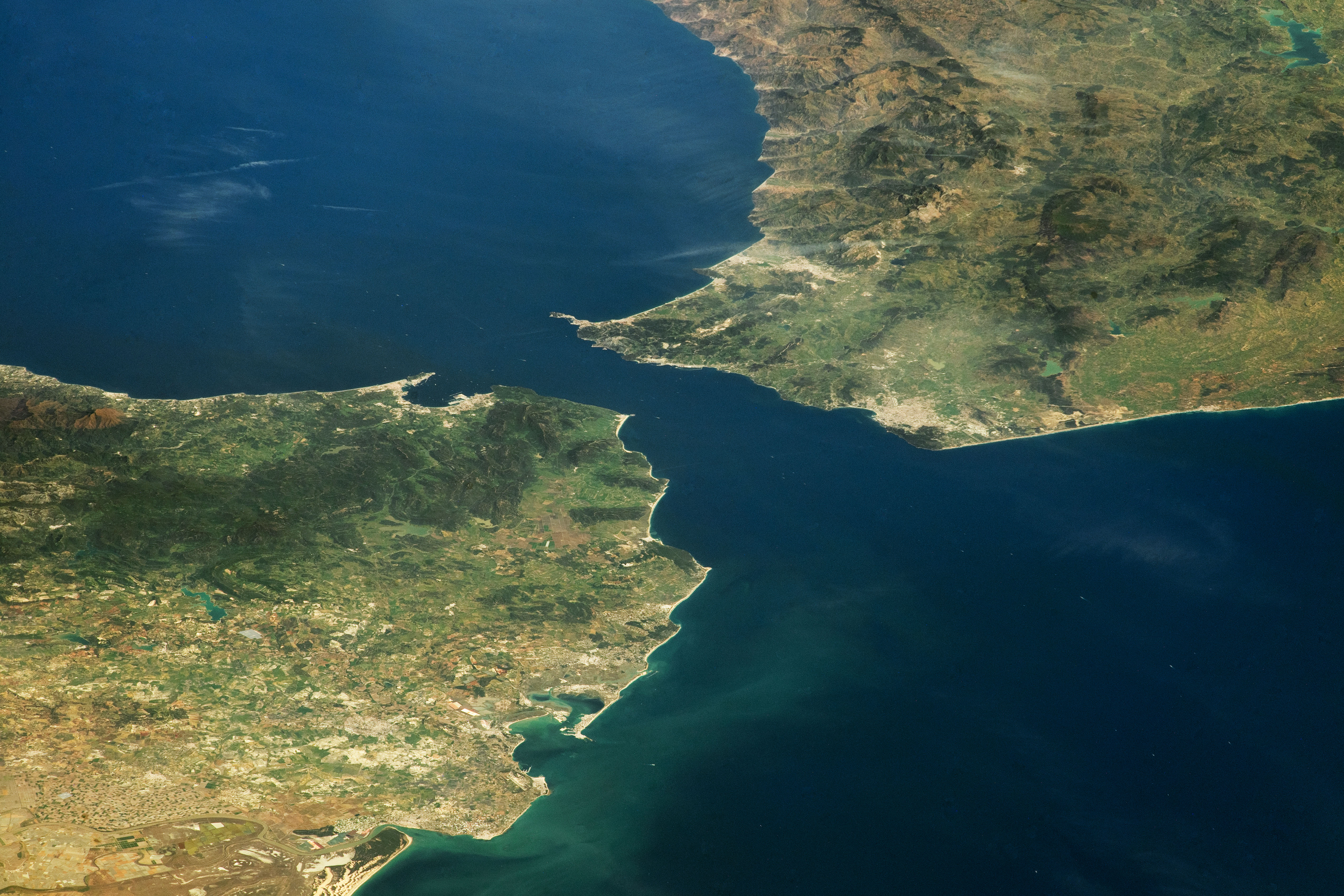
Markets have grown accustomed to the standoff around the Strait of Hormuz because the disruption has a ceiling. Oil prices reflect a baseline risk premium, but they aren't rocketing past $100 a barrel because global supply chains have re-routed around the choke points.
Inflation inside Iran has climbed past 66%, and consumer prices are up nearly 88% year-on-year. Food costs have surged over 128%. From a purely economic standpoint, the Iranian state is under severe duress. But the regime refuses to buckle, utilizing historical playbooks of domestic repression and asymmetric regional disruption.
What This Means For Your Portfolio
If you are managing capital right now, don't expect a sudden diplomatic breakthrough. Neither side has an incentive to back down cleanly. Washington wants complete relinquishment of Iranian leverage over the Strait of Hormuz without offering concessions. Tehran wants the naval blockade lifted without looking like it surrendered.
This means energy markets will stay choppy. Shipping stocks will price in longer, more expensive routes around the Cape of Good Hope permanently rather than temporarily. Stop treating this conflict as a transient headline. Build your defensive positions around a protracted, multi-year economic cold war that has no clean resolution in sight.