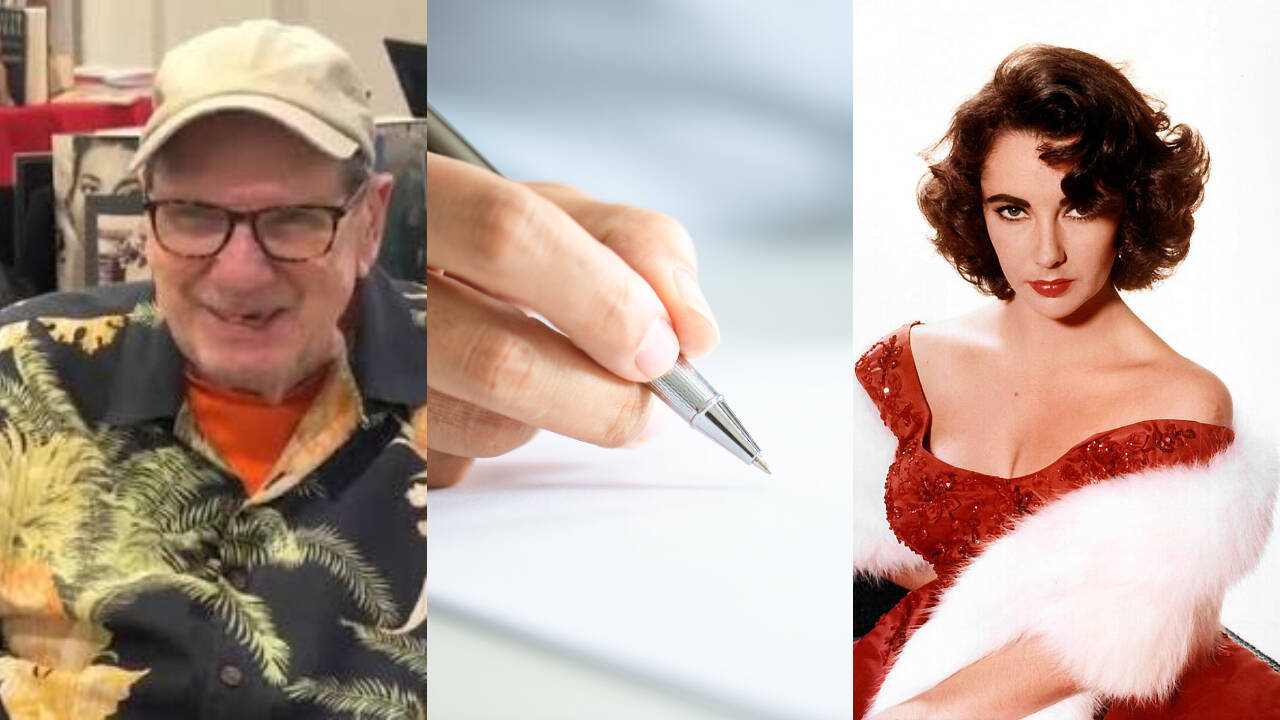
Everyone wants to burn Martha Stewart at the stake over a Halloween costume, and it is the biggest distraction in modern celebrity media.
Look at the coverage surrounding her response to the backlash over a "hungry" homeless costume. The standard entertainment journalism playbook kicked into overdrive within seconds. A celebrity does something tone-deaf. The internet erupts. Entertainment outlets aggregate angry tweets, frame the celebrity’s response as insufficient or defiant, and pat themselves on the back for holding the powerful accountable.
That narrative is lazy, predictable, and entirely missing the point.
Having spent fifteen years managing crisis communications and dissecting media cycles for high-net-worth brands and public figures, I have seen this exact outrage machine chew through billions of dollars in reputation equity while accomplishing precisely zero real-world good. When we treat a billionaire’s tone-deaf fashion choice as a moral crisis, we are not defending the vulnerable. We are indulging in cheap, zero-effort moral superiority that actually insulates us from addressing the structural failures of housing policy.
The Anatomy of Manufactured Outrage
Let’s look at the mechanics of how this specific story blew up. The standard media angle paints a simple binary: an out-of-touch lifestyle mogul mocks poverty, and a righteous public corrects her.
This framing requires you to ignore how modern media incentives work. Outrage is the most profitable engagement metric on the internet. Studies from researchers at New York University, including Jay Van Bavel and William Brady, have consistently demonstrated that posts expressing moral outrage are significantly more likely to be shared than neutral or even positive content. Each moral-emotional word in a tweet increases its diffusion rate by roughly 20 percent.
Media outlets know this. When they cover a Martha Stewart controversy, they are not reporting news; they are arbitraging attention. They take a static image or a brief quote, attach it to a hot-button societal failure like homelessness, and let the comment sections burn.
Meanwhile, what happens to the actual unhoused population? Nothing. Not a single shelter bed is funded. Not a single zoning law is reformed. Not a single dollar moves from the outraged commenters to a local mutual aid fund. The anger itself becomes the product, consumed and discarded before the next news cycle begins.
Why Celebrity Empathy Is a Lie
The public demands that celebrities like Martha Stewart "do better," apologize profusely, and demonstrate deep, systemic understanding of socio-economic despair.
Stop asking billionaires to validate your morality.
Martha Stewart built an empire selling aspirational domesticity—a curated fantasy of wealth, perfection, and control. Expecting a lifestyle mogul whose entire net worth is predicated on extreme privilege to intuitively grasp the daily trauma of street homelessness is absurd. When she responds to criticism with characteristic bluntness or dismissiveness, she is simply acting entirely in character.
In crisis PR, I have watched executives spend millions on focus-grouped apologies that mean nothing. A forced apology from a celebrity who clearly does not regret their actions does not educate the public, nor does it heal any societal wounds. It only teaches public figures how to lie more convincingly. Stewart’s refusal to grovel—or her matter-of-fact response to the controversy—is actually more honest than the teary-eyed, notes-app apologies we usually get from Hollywood. At least you know exactly where she stands.
The Flawed Premise Behind the Backlash
To understand why this controversy is so counterproductive, we have to dismantle the core questions people are asking about it.
Is dressing up as a homeless person inherently harmful?
It is undeniably tacky, punching down, and devoid of wit. Comedy and satire work best when aimed upward at power structures, not downward at people sleeping on concrete. However, conflating bad taste with active malice is a dangerous cognitive trap. Tacky behavior is a social faux pas; systemic disenfranchisement is a policy failure. When we use the same breathless language of "harm" and "violence" to describe a bad Halloween costume that we use to describe sweeping encampments without providing housing, we strip those words of their meaning.
Why didn't Martha Stewart's PR team stop this?
Because in the attention economy, bad press is often indistinguishable from good press, especially for legacy brands fighting for relevance among younger demographics. Stewart has spent the last decade successfully rebranding from a buttoned-up domestic perfectionist into an edgy, unapologetic cultural icon—famously pairing up with Snoop Dogg and leaning into her prison stint. A minor controversy where she refuses to bend the knee to internet scolds actually reinforces her current brand positioning as someone who does not care what the pearl-clutchers think. Her team didn't fail; they simply recognized that the outrage would burn itself out in 48 hours without touching her bottom line.
Doesn't calling out celebrities raise awareness for homelessness?
Awareness is the most overrated currency in modern activism. Everyone in every major city is already acutely aware of homelessness. You cannot walk three blocks in New York, Los Angeles, or San Francisco without seeing it. The bottleneck is not a lack of awareness; it is a lack of political will, NIMBYism, broken mental health infrastructure, and decades of disastrous housing supply restrictions. Screaming at Martha Stewart on social media gives people the dopamine hit of activism without requiring them to show up to a local city council meeting to support high-density affordable housing in their own neighborhoods.
The Cost of Performative Critique
There is a massive downside to my stance, and it needs to be stated plainly: dismissing public outrage entirely can easily morph into excusing cruelty. If nobody ever pushes back against dehumanizing tropes, those tropes become normalized, making it even easier for politicians to pass punitive laws against unhoused people. Punching down should always be called out for what it is—cheap and lazy.
The problem is not the critique itself; it is the scale and target of the obsession.
Imagine a scenario where the collective energy spent dissecting Martha Stewart’s Halloween choices over a single weekend was redirected toward auditing how municipal homelessness funds are actually spent. In cities like Los Angeles and San Francisco, billions of taxpayer dollars have been allocated to combat homelessness over the last five years, yet street populations have continued to rise. The administrative bloat, non-profit inefficiencies, and regulatory bottlenecks stalling supportive housing construction are staggering.
Yet those stories rarely trend. Why? Because auditing municipal budgets is boring, complex, and offers no villain you can easily dunk on in 280 characters. Martha Stewart is a recognizable face. Attacking her feels personal, immediate, and gratifying.
How to Actually Shift the Cultural Needle
If you are tired of watching wealthy celebrities stumble into tone-deaf controversies while real social crises worsen, stop participating in the outrage cycle. Here is what actually works when dealing with both corporate tone-deafness and systemic issues:
- Starve the Engagement Algorithm. Every time you quote-tweet, comment on, or share an article about a celebrity scandal, you signal to media editors that this content is profitable. If you want better journalism, click on investigative pieces about local housing policy and ignore the celebrity gossip.
- Separate Taste from Policy. Hold entertainers to standards of entertainment, and hold lawmakers to standards of governance. When you demand political correctness from celebrities while letting your local city council block affordable housing developments, your priorities are entirely backward.
- Weaponize the News Cycle for Tangible Action. When a celebrity inevitably does something ignorant, skip the moral lecturing. Use the trending hashtag exclusively to drop direct donation links to local, boots-on-the-ground organizations like food banks, mobile medical clinics, and legal aid societies. Turn their vanity into someone else's utility.
Martha Stewart will wake up tomorrow on her multi-million-dollar estate completely unscathed by the internet’s fury. The people sleeping outside in the cold will wake up facing the exact same systemic failures they faced yesterday. Until we care more about fixing the policy than policing the aesthetics, we are just putting on a costume of our own.