The receipt is crumpled in the palm of a hand that has worked forty hours this week. It tells a simple, brutal story. Milk, eggs, bread, a single package of ground beef. Forty-two dollars.
Four years ago, that same pile of groceries cost twenty-eight.
Numbers on a screen do not capture the sharp, burning knot in the stomach of a parent standing in the checkout aisle, watching the total tick upward while praying the debit card does not decline. Economists call this inflation. Politicians call it a crisis. For the people living it, it is simply a shrinking life. Every trip to the store demands subtraction. Less meat. Fewer fresh vegetables. No treats for the kids.
Affordability has become the defining ghost haunting kitchen tables across the nation. Everyone agrees the ghost is there. No one agrees on who let it in.
Step into the briefing room in Washington, and the ghost is treated like a tactical weapon.
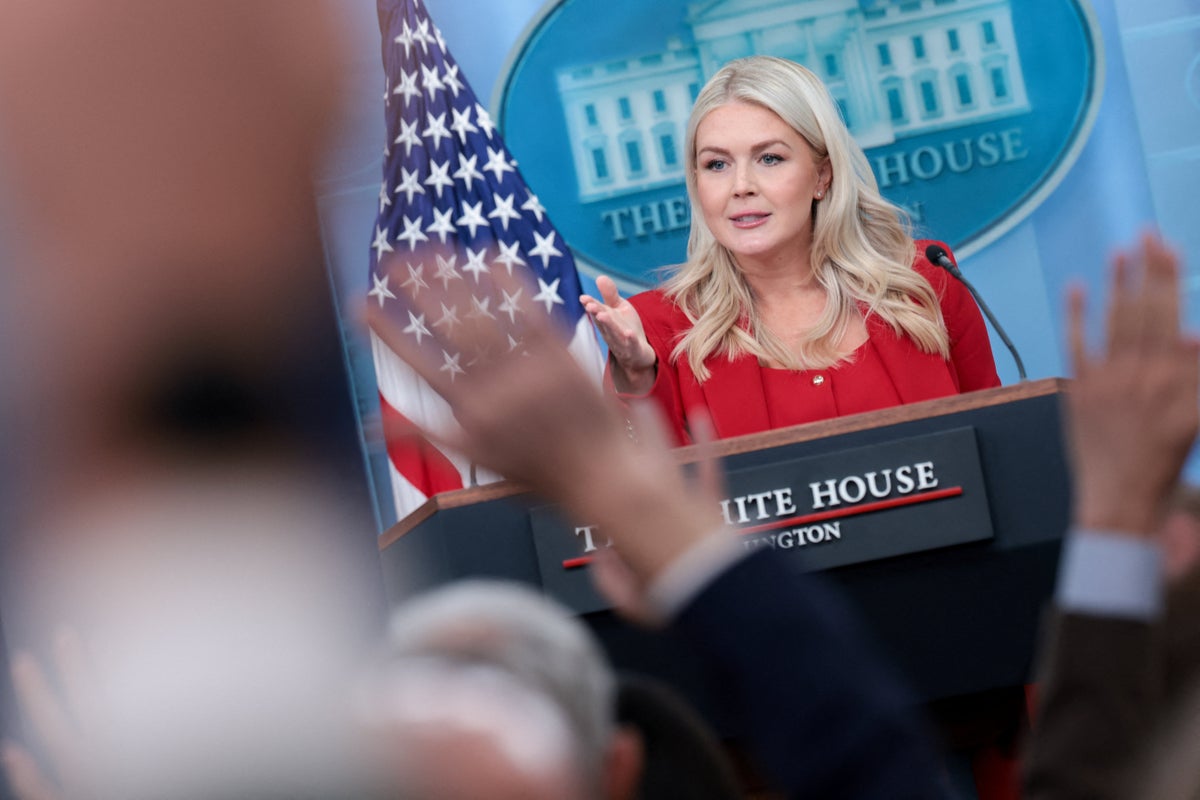
Karoline Leavitt stands before the microphones and addresses the elephant in the room with absolute clarity. Prices are too high. Rent is out of reach. The American dream feels less like a promise and more like a cruel joke. She names the pain. She validates the exhaustion of the working class.
Then, she aims the spotlight.
It is Joe Biden’s fault.
The argument runs on a well-worn track. Trillions in federal spending pumped cash into the economy while supply chains were still groaning under the weight of a global pandemic. Too many dollars chasing too few goods. Simple supply and demand. The administration printed the money, and the grocery stores printed the new, terrifying price tags.
It is a narrative built for television. Clean. Direct. Easy to weaponize.
Yet reality is rarely neat. To understand why a carton of eggs costs what it does, we have to look past the political podium and into the gears of a global machine that broke years ago and never quite healed.
Consider what happens when a cargo ship gets stuck in a canal, or a drought withers crops a thousand miles away, or corporate profit margins quietly expand while consumers are distracted by political noise. The price at the register is the final destination of a thousand invisible failures.
When the pandemic hit, the global supply chain suffered a stroke. Factories closed. Ports backed up. Truck drivers left the industry. When the world opened back up, the demand returned like a tidal wave, but the pipes carrying the goods were rusted and clogged.
Governments injected stimulus cash to keep families from starving on their living room floors. That money worked. It kept roofs over heads. But it also meant that when people were finally allowed to buy things again, they had cash in their pockets while manufacturers were still struggling to build inventory. Prices soared. It was a global phenomenon. Inflation struck London, Berlin, and Tokyo just as fiercely as it struck Ohio and Texas.
Did government spending play a role? Economists largely agree that it did. But did a single president in the Oval Office invent global supply chain bottlenecks and corporate pricing strategies? That requires a different kind of math.
Blame is comforting. Blame gives us a villain to boo and a hero to cheer.
If Joe Biden broke the economy, then replacing him fixes it. If global corporate greed broke the economy, then regulating corporations fixes it. If complex, post-pandemic macroeconomic shifts broke the economy, then there is no single lever to pull, no magic wand to wave, and no easy savior waiting in the wings.
That is the terrifying part. We crave simplicity in a world of terrifying complexity.
We want to believe that if the guy in charge changes, the price of gasoline will drop overnight to what it was a decade ago. We want to believe that a single signature on a piece of legislation can force landlords to slash rents in half.
Instead, families are caught in the crossfire of political point-scoring.
While Washington argues over whose desk holds the blame, a mother in Pennsylvania is calculating whether she can afford both her electric bill and her blood pressure medication this month. She does not care about fiscal policy debates or monetary theory. She cares that her paycheck buys less today than it did yesterday.
The political theater misses the human core entirely.
When affordability crumbles, trust in institutions crumbles right alongside it. People stop believing in the system because the system feels rigged against their survival. They watch billionaires launch rockets into space while they debate whether to turn down the thermostat to save twenty bucks a month.
That gap is where populism grows. That gap is where anger festers.
Karoline Leavitt is right about one undeniable truth: the pain is real, and people are breaking under the weight of it. Pretending the economy is thriving while families drown in grocery bills is political suicide. Acknowledging the pain is smart politics.
But diagnosing a disease is not the same as curing it.
If the diagnosis is merely partisan ammunition, nothing changes. The next administration will inherit the same broken cogs, the same housing shortages, the same corporate concentration, and the same global vulnerabilities. They will walk into the Oval Office, look at the books, and realize that turning a dial marked "Inflation" simply does not exist.
The receipt is still in the palm of the hand.
The ink is already fading, but the numbers refuse to disappear. Outside the grocery store window, cars rush past on the wet asphalt, carrying drivers home to bills they cannot quite cover and futures they cannot quite predict. The political speeches will air on the evening news, the pundits will argue until their voices grow hoarse, and tomorrow morning, the milk will still cost four dollars and fifty cents.