The pressure on Mauricio Pochettino when he took the USMNT job wasn't just high. It was suffocating. US Soccer didn't back a truck full of money up to his house just to see a modest improvement. They hired him to fix a broken culture, inject tactical discipline, and win on the biggest stage.
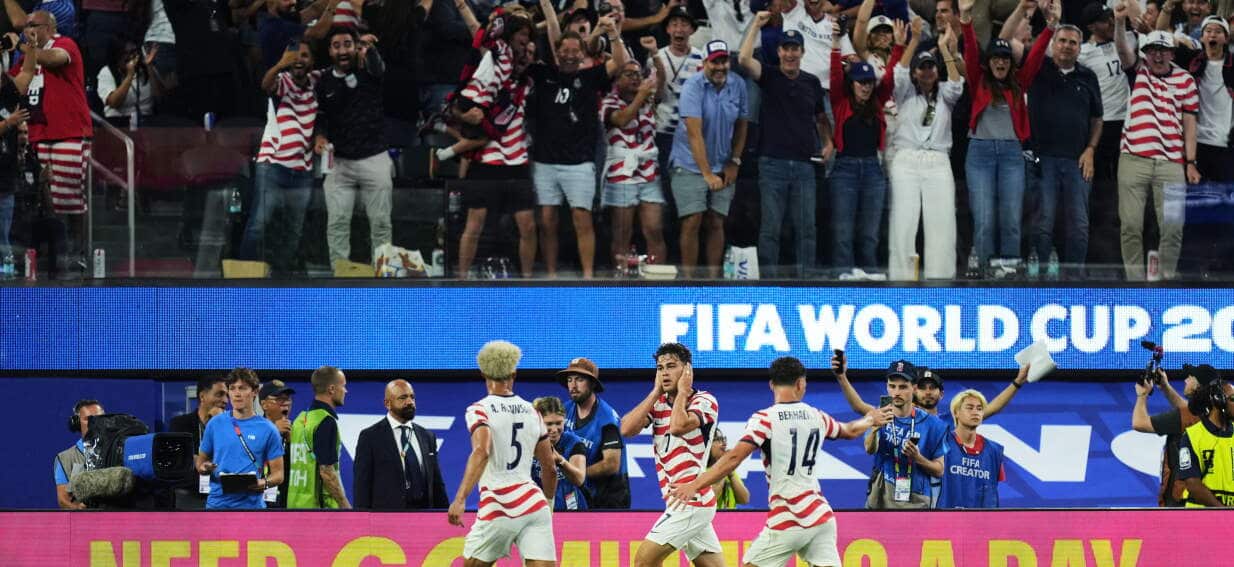
He just passed his first massive test. The World Cup opener went about as well as anyone in Chicago or Miami could have dreamed. It was convincing. It was sharp. Honestly, it looked like a completely different team than the one that stumbled through the last year of the previous cycle. For a different look, consider: this related article.
But if you think this "amazing" start means the hard part is over, you're dead wrong. Winning the opener changes the math of the group stage completely, but managing a tournament run requires a totally different gear. Pochettino knows this. The players are starting to realize it too.
The Tactical Shift That Changed Everything
Everyone wondered how Pochettino would adjust his high-press style to a international schedule with limited training time. We got our answer immediately. The USMNT didn't look like a collection of talented individuals trying to figure out a system on the fly. They looked drilled. Related analysis on the subject has been provided by NBC Sports.
The biggest change was in the midfield spacing. Under previous setups, the USMNT often suffered from a massive gap between the defensive line and the central midfielders, leaving them vulnerable to quick transitions. Pochettino tightened the screws.
Look at the average positions from the match. The distance between the back four and the midfield pivot shrunk by nearly ten yards compared to last summer's fixtures. That isn't an accident. That's hours on the training pitch paying off. By compressing the lines, the USMNT suffocated the opposition's creative players before they could even turn upfield.
It wasn't just about defending, though. The build-up play showed a level of patience we haven't seen from this group in a long time. Instead of forcing hopeful long balls to the wings, the center-backs circulated the ball across the back line until a clear passing lane opened into the half-spaces. It was methodical. It was mature.
Christian Pulisic is Flourishing in a New Role
We need to talk about Christian Pulisic. For years, the captain carried the weight of American soccer on his shoulders, often trying to win games entirely by himself. That led to predictable overlapping runs and a lot of frustrated body language.
Pochettino has unlocked something different in him. Instead of hugging the left touchline all night, Pulisic had license to drift inside, operating almost as a central playmaker at times. This tactical tweak completely unbalancing the opposition defense.
- More touches in the zone 14 area: By coming inside, Pulisic occupied the space right outside the penalty box, forcing opposing central defenders to step up and leave gaps behind them.
- Decoy runs that created space: When Pulisic drifted central, it opened up massive lanes for the overlapping full-backs to exploit.
- Reduced defensive burden: With a more compact midfield unit behind him, Pulisic didn't have to track back sixty yards every time possession changed hands, saving his energy for explosive attacking moments.
This version of Pulisic is way more dangerous. He isn't forcing the issue anymore because he doesn't have to. He's letting the game come to him, trusting the system Pochettino built to create the advantages.
Managing the World Cup Hype Machine
The American soccer media landscape loves a narrative shift. One minute the team is doomed, the next they're ready to lift the trophy. An impressive opening win is exactly the kind of fuel that sets the hype machine on fire.
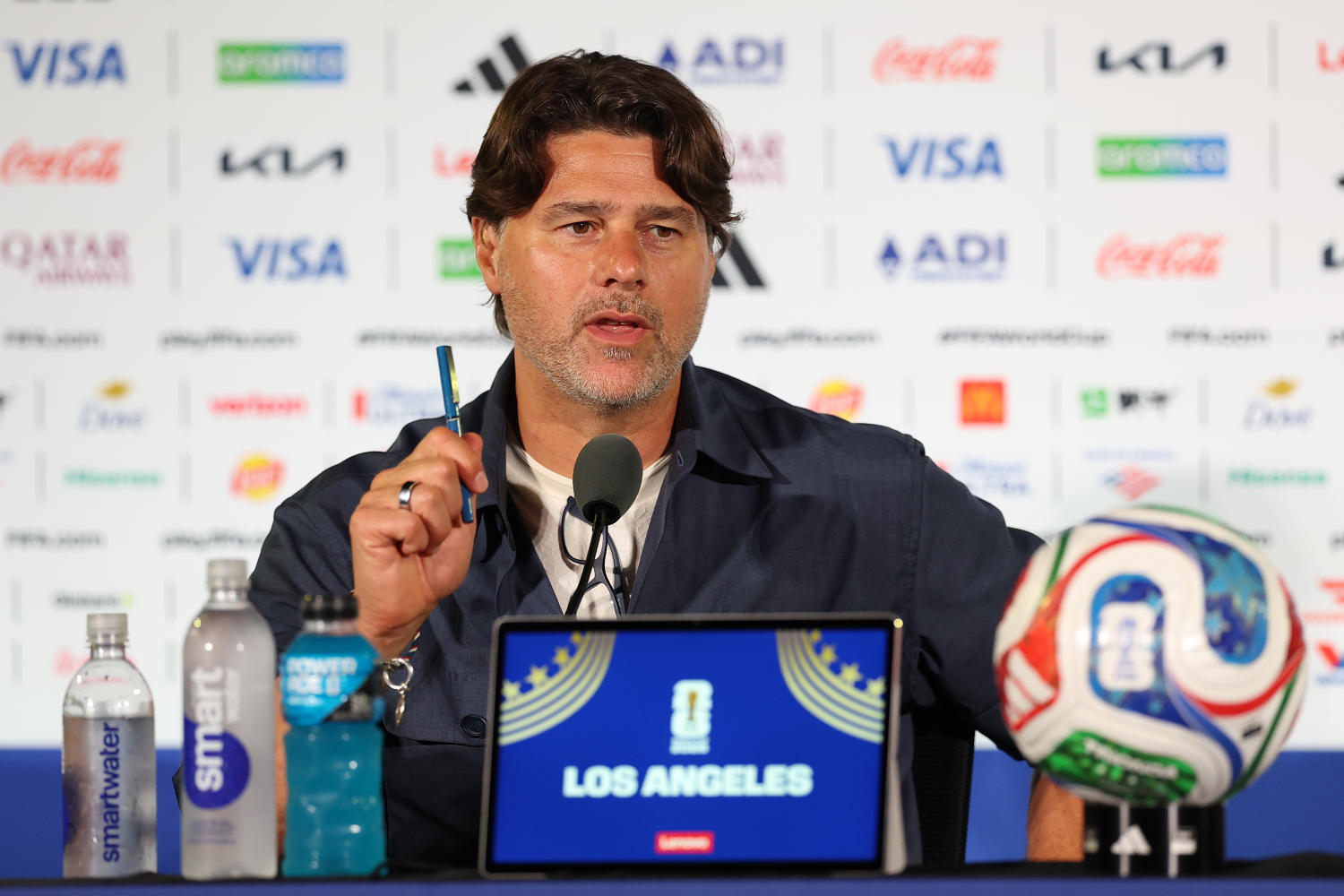
Pochettino's post-match press conference was a masterclass in tone management. He used the word "amazing" to describe the performance, sure, but he spent the rest of his time talking about recovery, focus, and the errors his staff spotted on the tape. He isn't letting anyone buy into their own supply.
The reality of tournament football is brutal. A great start gives you breathing room, but a single slip-up in the second match puts you right back into a dogfight. The best managers use early success to build confidence, not complacency.
The squad seems to be absorbing that message. Players didn't celebrate like they'd won the tournament after the final whistle. They shook hands, applauded the fans, and walked straight to the tunnel. That's the kind of elite mentality US Soccer fans have been begging to see for a generation.
What Needs to Happen Before the Next Match
The opener was great, but a critical look at the tape reveals areas that will get punished by elite European or South American opposition later in the tournament.
First, the final ball in the attacking third still lacks consistency. The USMNT created three distinct high-value chances in the first half that resulted in weak shots or missed connections. Against a top-tier side, you might only get one of those chances all game. You have to bury them.
Second, the substitution timing will be worth watching. Pochettino waited until late in the second half to refresh his midfield, despite clear signs of fatigue from the starters around the 70-minute mark. Tournament success requires managing the physical load of the entire roster, not just riding the hot hand until the wheels fall off.
Get back to the training ground. Clean up the set-piece delivery, which looked stagnant during several first-half corners. Keep the emotional baseline steady. The tournament is officially underway, the blueprint works, and now it's simply about execution under pressure.