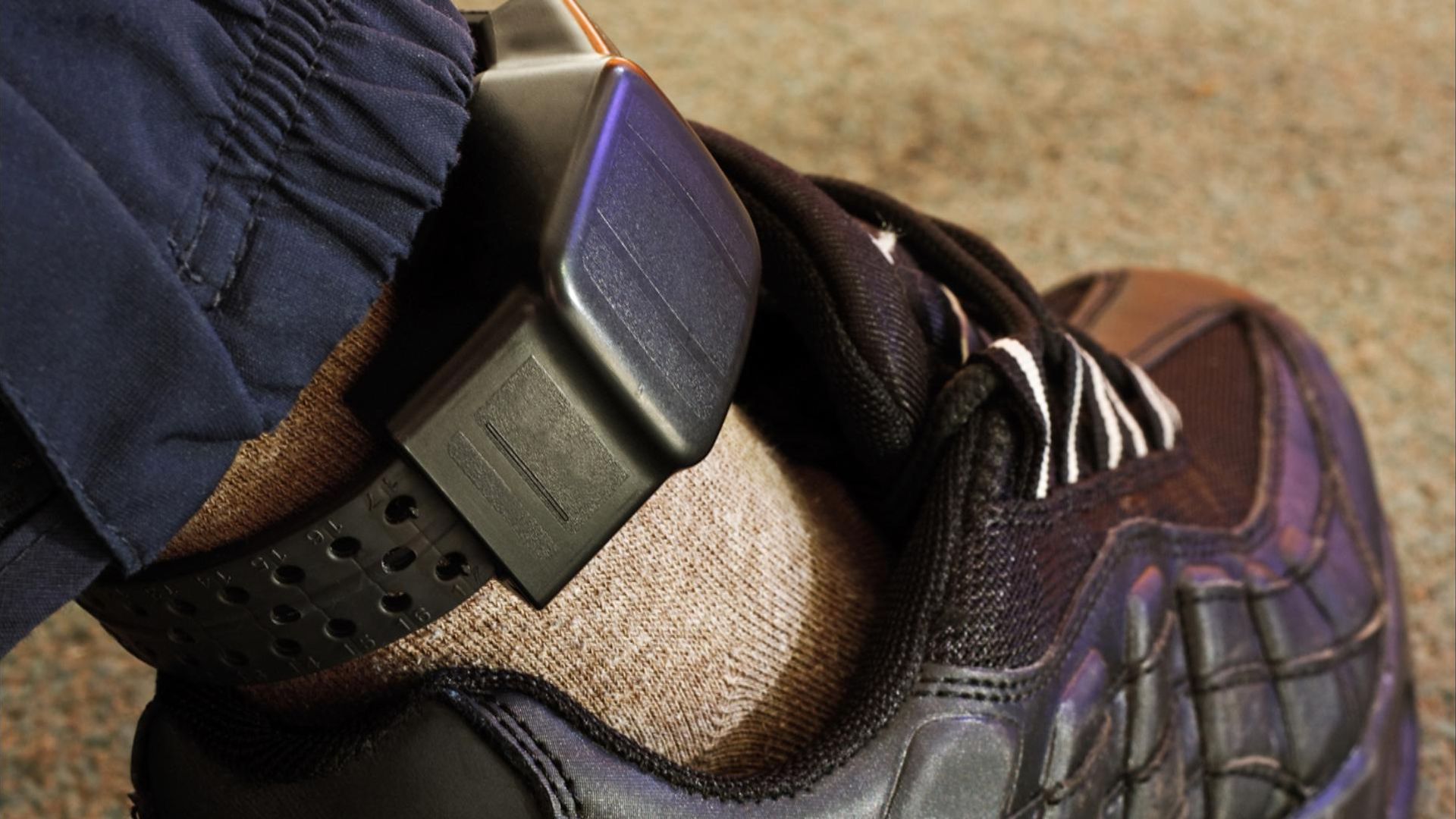
Suppression of alcohol-related public disorder during high-velocity sporting events requires moving past reactive policing toward algorithmic, localized deterrence. The deployment of transdermal alcohol monitoring tags to approximately 7,300 offenders across the United Kingdom during the World Cup represents an operational shift from standard geographic curfewing to biochemical compliance. The strategic objective is explicit: insulate local emergency infrastructure from the projected spikes in anti-social behavior by artificially capping consumption anomalies within a known high-risk cohort.
Understanding the efficacy of this deployment requires breaking the initiative down into its core operational variables, physiological mechanisms, and systemic friction points.
The Tripartite Framework of Target Cohort Dynamics
The Ministry of Justice infrastructure operates on a dual-pathway intake system, dividing the 7,300 targeted individuals into distinct risk-management structures. The operational footprint at the tournament's commencement comprises 5,000 actively tagged individuals, with an estimated 2,300 additional units budgeted to undergo installation via real-time judicial sentencing over the lifecycle of the competition.
The baseline cohort can be categorized into three operational pillars:
- The Post-Custodial Licence Group: Higher-risk individuals transitioning out of carceral environments under strict supervisory frameworks. For this group, sobriety serves as a mandatory condition for maintaining non-custodial status.
- The Community Sentence Group: Moderately volatile offenders sentenced directly to localized rehabilitation frameworks, where the tag acts as an alternative to incarceration.
- The Volatility Sub-Cohort: Individuals identified via the Offender Assessment System (OASys) as possessing a direct causal link between ethanol ingestion and violent recidivism. Government audits indicate roughly 20 percent of the broader community-supervised populace presents a diagnosed alcohol dependency or misuse profile.
The macro-economic thesis justifying this targeted biochemical intervention rests on a stark cost function. The National Audit Office calculates that alcohol-related crime imposes a £21 billion annual drain on the UK economy. By targeting the top quintile of volatile offenders during a cyclical macro-event where aggregate alcohol consumption spikes uniformly across national demographics, the state attempts to compress the peak volume of emergency interventions.
Physiological Chemistry as a Mechanism of Deterrence
The underlying technology relies on continuous transdermal alcohol tracking, a methodology that circumvents the operational vulnerabilities of random breathalyzer testing or traditional visual surveillance.
[Ethanol Ingestion] → [Hepatic Metabolism (99%)] → [Excretion via Eccrine Sweat (1%)] → [Transdermal Sensor Electrocatalytic Oxidation] → [Algorithmic Verification] → [Probation Alert]
The device is fixed securely to the lower extremity, establishing a permanent, non-invasive interface with the wearer's dermis. The detection cycle operates continuously through a highly systematized sequence:
- Passive Excretion Sampling: While the human liver processes the vast majority of ingested alcohol, approximately one percent is eliminated through the skin via eccrine sweat glands. The tag utilizes a miniature, enclosed pump or passive absorption cell to capture this microscopic layer of insensible perspiration.
- Electrochemical Quantification: The captured sample crosses a fuel cell sensor embedded with a platinum catalyst. Ethanol molecules within the sweat undergo electrocatalytic oxidation, converting the chemical presence of alcohol directly into a measurable electrical current. The magnitude of this current maps linearly to the individual’s blood alcohol concentration (BAC).
- Environmental Distinction Filtering: A major technical bottleneck in transdermal tracking is distinguishing between consumed alcohol and ambient interference, such as localized skin contact with isopropyl alcohol, colognes, or industrial cleaning agents. The device's internal software analyzes the absorption curve and evaporation rate of the detected substance. Ingested alcohol exhibits a gradual, mathematically predictable curve dictated by human metabolic absorption rates, whereas external chemical spills display rapid, sharp spikes in sensor readings.
The accuracy of this physiological monitoring allows the device to confirm whether an offender is actively consuming beverages or simply standing inside a highly saturated environment, such as a crowded pub or fan zone. If active consumption crosses a calibrated baseline, the unit communicates wirelessly via localized networks, routing a direct compliance alert to the assigned probation officer.
The Compliance Deficit and Institutional Friction
Proponents of biometric tracking highlight historical compliance data showing that offenders subject to alcohol monitoring orders maintain sobriety for 97 percent of the days they are tagged. While statistically impressive, a rigorous operational analysis requires evaluating the remaining 3 percent compliance deficit, which represents an active risk vector during high-stress sporting matches.
The systemic bottleneck shifts from detection to enforcement velocity. The chain of custody for a non-compliance alert introduces several operational delays:
[Sensor Violation Cleared] → [Automated Notification to Provider] → [Data Verification and Review] → [Probation Officer Case Allocation] → [Judicial Warrant Issuance] → [Physical Apprehension]
This multi-step validation loop means that an offender who begins drinking at the kickoff of a high-tension match may not face immediate physical restraint before an act of domestic or public violence occurs. The device serves primarily as an absolute mechanism of accountability rather than a real-time physical barrier.
The secondary institutional pressure point centers on the capacity of the Probation Service. To support the planned expansion of this technology over the next three years, during which the state intends to mandate tags for all prison leavers under intensive supervision, a massive injection of human capital is required. The government’s commitment of an additional £700 million by 2028/29, alongside the targeted recruitment of 1,300 probation officers within the year, underscores a clear structural reality: automated biometric tracking does not eliminate human bureaucratic oversight; it increases the volume of actionable data that human operators must process under tight legal deadlines.
Operational Projections and Systemic Risks
As the tournament progresses, the efficacy of the intervention will be dictated by the interplay between technological accuracy and judicial throughput. The strategic rollout establishes a precedent for algorithmic resource allocation, using localized biological data to manage public safety during periods of elevated national consumption.
The primary systemic risk lies in the potential for behavioral displacement. While the tags effectively eliminate alcohol consumption within the monitored 7,300-person cohort, they do not neutralize the underlying drivers of competitive or tribal aggression associated with international football. For a segment of this population, the absolute barrier to alcohol consumption may induce a pivot toward alternative, unmonitored intoxicating substances or geographic displacement away from primary entertainment districts into private spaces where tracking public disturbance is more complex.
The operational focus over the remaining duration of the tournament must prioritize reducing the verification-to-enforcement loop down to single-digit hours. Probation services should deploy specialized emergency response units assigned exclusively to process incoming transdermal alerts on match days. By compressing the timeline between the initial electrochemical reading of ethanol sweat and the physical deployment of enforcement personnel, the state can transform a highly precise forensic logging tool into a proactive tool for violence prevention.