The Predictable Anatomy of a Media Circus
Every time a missing persons case hits a milestone, the media machine boots up the same tired playbook. They copy-paste old press releases. They print sensationalized headlines. They wrap a genuine human tragedy in layers of melodrama to farm clicks.
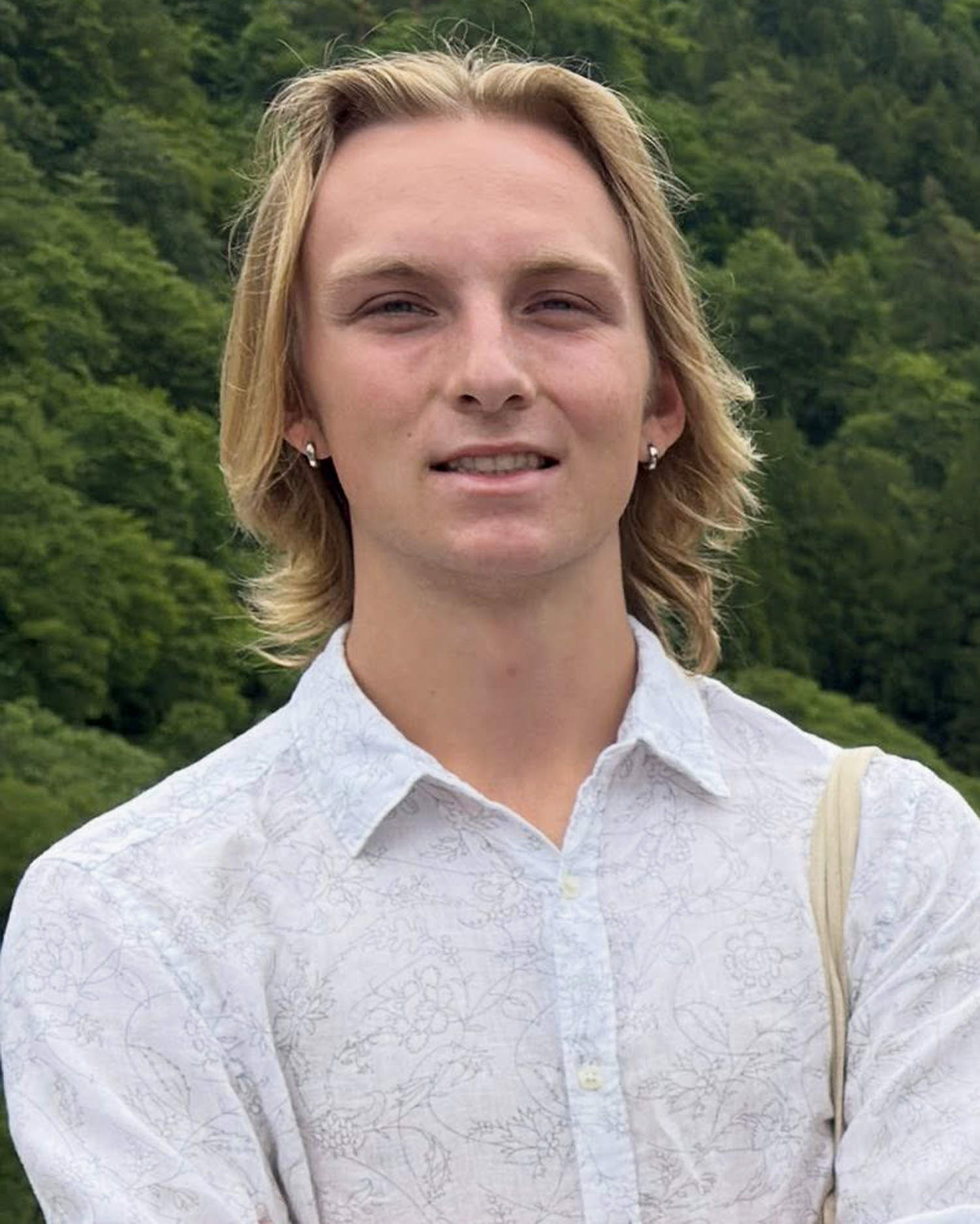
The recent developments regarding Kyle Clinkscales—the Auburn University student who vanished in 1976 and whose remains were recovered from a car in an Alabama creek—perfectly illustrate this phenomenon.
Look at how the mainstream media handled it. They focused entirely on the macabre elements of the discovery. They obsessed over the rusted-out 1974 Ford Pinto. They speculated wildly about foul play versus accidents before the forensics were even completed.
They turned a family's multi-decade nightmare into a true-crime podcast episode.
This is a lazy consensus. The narrative treats these cases as isolated, spooky anomalies from a bygone era. It frames the story as a closed chapter, a historical curiosity solved by time and a drop in water levels.
They missed the entire point. The real story isn't just about what happened on that dark road in 1976. It is about how our institutional frameworks consistently fail vulnerable young adults, and how little has actually changed in the decades since Clinkscales disappeared.
The Myth of the Modern Safety Net
We like to tell ourselves that we live in an era of total surveillance and absolute connectivity. We assume that because every college student carries a GPS-enabled supercomputer in their pocket, the dangers that swallowed Kyle Clinkscales have been engineered out of existence.
That is an expensive lie.
I have spent years analyzing risk management frameworks and institutional responses to crises. The hard truth is that technology has not eliminated the vulnerability of college students; it has merely masked it.
Consider the standard "People Also Ask" query that inevitably surfaces during these cases: How do university students just vanish without a trace?
The public wants a complex answer involving criminal syndicates or sophisticated cover-ups. The brutal reality is far more mundane. Students vanish because universities are massive, decentralized bureaucracies designed to manage tuition payments and housing contracts, not the granular, day-to-day safety of thousands of transient young adults.
When Clinkscales disappeared after leaving his job in LaGrange, Georgia, to drive back to Auburn, the communication gap between municipal police departments, state lines, and university officials was vast.
Guess what? Those gaps still exist.
The Illusion of Progress
Today, if a student goes missing, we don't wait for a farmer to spot a car in a creek forty years later. Instead, we get an automated campus alert. We get a social media blast.
But behind the digital facade, the jurisdictional nightmare remains identical.
- Campus police handle the dorms.
- City police handle the off-campus apartments.
- State troopers handle the highways between the two.
When a student disappears on a drive between jurisdictions, the bureaucratic finger-pointing begins immediately. Data is siloed. Systems do not talk to each other. The "lazy consensus" screams that we need more cameras and better tracking apps. The data shows that more data is useless if no single entity is accountable for acting on it.
Dismantling the True Crime Industrial Complex
The coverage of the Clinkscales case exposes a deeper, more cynical rot in our cultural consumption of news. The media feeds an insatiable appetite for tragedy porn.
By focusing on the mystery, the media avoids asking the systemic questions that matter. They treat the recovery of the vehicle as a plot twist in a narrative arc rather than a systemic failure of early search and rescue operations.
Imagine a scenario where the initial investigation in 1976 had been handled with the urgency reserved for high-profile political figures rather than a typical college kid who might have just "run off." Waterways near the route would have been dragged immediately. The timeline would have been locked down within 48 hours.
Instead, decades passed. The parents died without answers. The system failed them twice: first in the initial search, and second by turning their son’s eventual recovery into a spectacle.
Institutional Response Matrix
├── 1976: Bureaucratic Apathy (Assume the student dropped out or ran away)
└── 2026: Algorithmic Exploitation (Maximize clicks through sensationalized grief)
The approach must change. We need to stop treating these cases as entertainment. If a media outlet cannot cover a cold case recovery without analyzing the structural failures that allowed the case to go cold in the first place, they shouldn't cover it at all.
The Playbook for Real Accountability
If we want to honor the memory of students like Kyle Clinkscales, we stop clicking on the sensationalized updates and start demanding structural reform from higher education institutions and regional law enforcement.
Here is the unconventional, non-negotiable framework that needs to be implemented immediately.
1. Mandatory Inter-Jurisdictional Triggers
Universities must establish automated, legally binding protocols with state and county law enforcement. If a student fails to show up for classes or work and a missing persons report is filed, a multi-agency task force must be triggered automatically within six hours, bypassing local bureaucratic red tape. No more waiting 24 or 48 hours based on archaic assumptions about adult autonomy.
2. Independent Audit of Cold Cases
Every state needs an independent, heavily funded task force dedicated solely to reviewing missing student cases from the last fifty years using modern sonar and forensic profiling. We shouldn't rely on historic droughts or accidental discoveries by local fishermen to find answers.
3. Radical Transparency in Campus Safety Reporting
The Clery Act requires universities to report crime statistics, but it is notoriously easy for institutions to massage the numbers by playing games with geographic boundaries. We need to demand a total overhaul of how student disappearances and off-campus incidents are logged and publicized. If a student vanishes on a road connecting their hometown to the campus, that university’s brand should bear the reputational weight of that investigation until it is resolved.
The Cost of Staying Comfortable
The contrarian view is always uncomfortable because it forces us to admit our own complicity.
We like the true-crime narrative because it implies that these tragedies are rare, almost supernatural events that happen to other people in distant eras. It allows us to sigh, shake our heads, and move on to the next article.
The reality is that the same systemic flaws that kept Kyle Clinkscales hidden in an Alabama creek for over forty years are still active today. They are just hidden behind prettier interfaces and faster news cycles.
Stop reading the sensationalized rewrites. Stop treating student safety as a spectator sport. Demand that the institutions taking tens of thousands of dollars in tuition every semester actually take responsibility for the lives of the people paying it.
Turn off the podcast. Hold the system accountable.