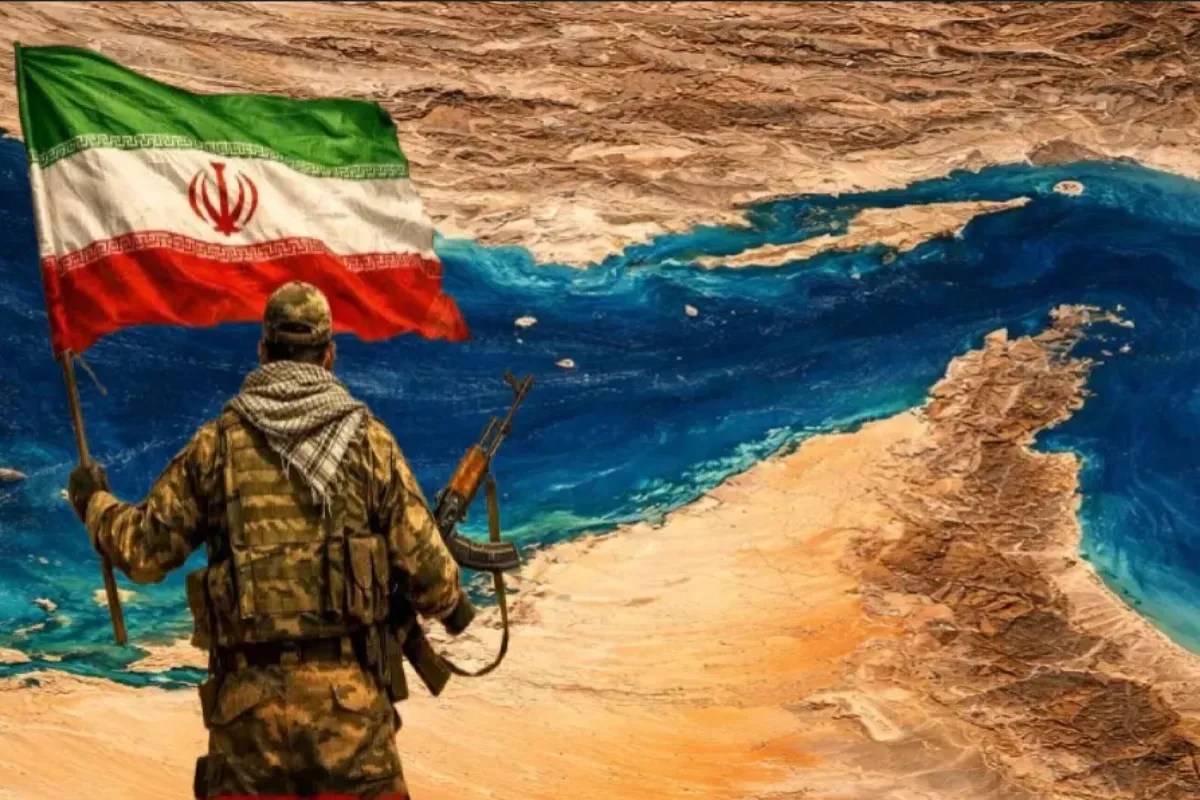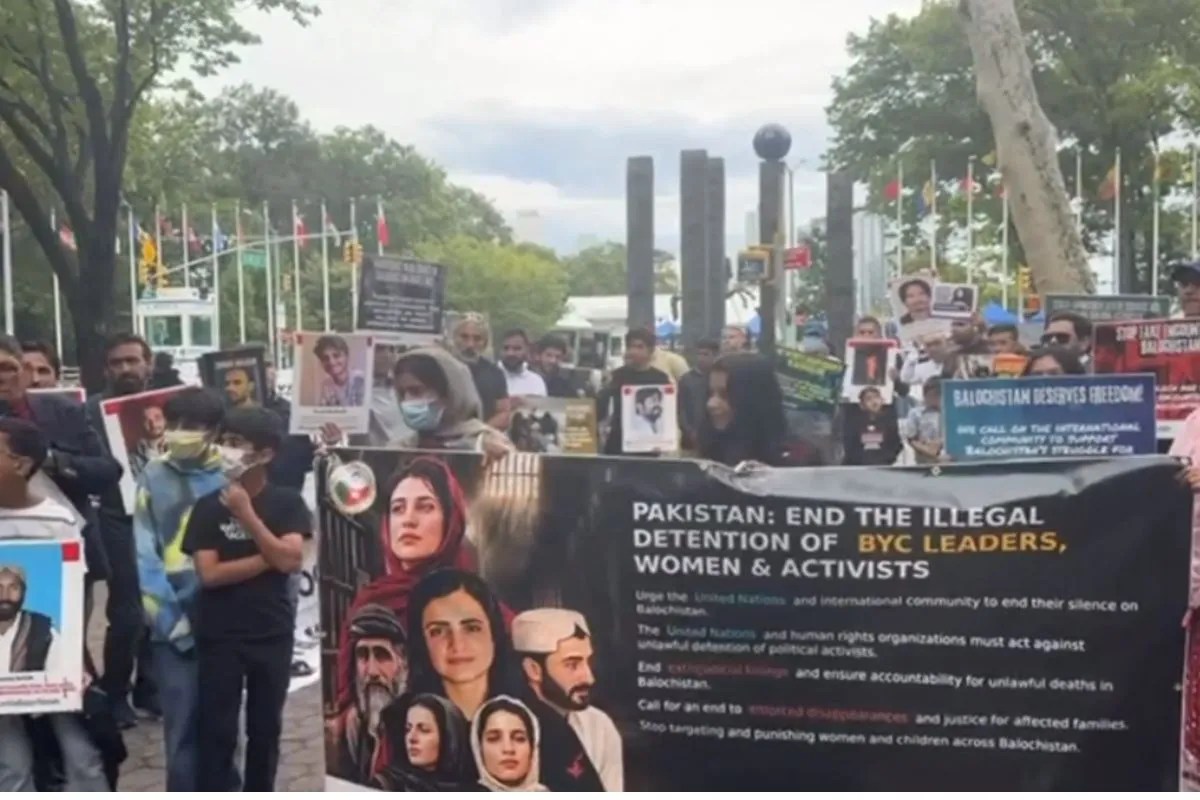
Thousands of people vanish into thin air, leaving families staring at empty doorways for decades. This isn't a dystopian fiction plot. It's the daily reality in Pakistan's largest and most resource-rich province, Balochistan. For years, international bodies and local activists have tried to force global attention onto a grim pattern: mass enforced disappearances, extrajudicial killings, and a systematic silencing of local voices that routinely spills over into major international protests outside institutions like the United Nations.
If you look past the standard headlines, you'll find a deep-rooted crisis fueled by resource exploitation, state control, and a total breakdown of judicial accountability. Let's break down what's actually happening on the ground and why the Balochistan movement refuses to quiet down.
The Scale of the Crisis
Numbers in conflict zones are notoriously difficult to pin down, but human rights groups paint a harrowing picture. Estimates and documentation from organizations like the Voice for Baloch Missing Persons (VBMP) and various regional human rights councils point to thousands of documented cases spanning over two decades. Students, teachers, journalists, and human rights defenders make up a massive chunk of those who disappear.
The mechanism is terrifyingly routine. Security forces or plainclothes operatives pick up individuals from checkpoints, homes, or workplaces. They take them to unacknowledged detention centers. No charges are filed. No trial takes place. Families spend years moving from court to court, getting zero answers.
Sometimes, the story ends even worse. The infamous "kill and dump" policy leaves families searching for bodies discarded on roadsides, often bearing severe marks of torture.
Why Balochistan?
To understand the conflict, you have to look at geography and economics. Balochistan sits on massive reserves of natural gas, gold, copper, and critical infrastructure projects like the Gwadar Port. Yet, it remains one of the poorest regions in the country.
Local populations have long argued that wealth is extracted from their land while they receive little to no economic benefit, facing marginalization instead. When communities organize to demand resource rights or ask questions about state operations, dissent is frequently met with heavy-handed security measures rather than political dialogue.
Taking the Fight Global
Because local legal remedies often lead to dead ends or intimidation, the movement has gone global. Protests outside the United Nations headquarters and major European capitals have become a vital lifeline for activists. The strategy is simple: drag a hidden domestic crisis into the international spotlight where foreign governments and global human rights watchdogs can't easily ignore it.
Organizations like the Baloch Yakjehti Committee (BYC) have mobilized massive grassroots movements inside Pakistan, led prominently by young activists and leaders like Mahrang Baloch. Even when leaders face arbitrary detention, legal harassment, or travel bans, the momentum keeps shifting outward, forcing international diplomats to field uncomfortable questions about state-sponsored abductions.
What Needs to Change
Fixing a decades-old crisis requires more than symbolic resolutions. Real accountability demands concrete structural shifts:
- Independent Investigations: International bodies must gain unrestricted access to investigate unacknowledged detention facilities across the province.
- Domestic Legislation: Enforced disappearance must be explicitly criminalized under domestic law with strict penalties for state actors found guilty.
- Protection of Free Speech: Journalists, lawyers, and political activists must be allowed to document abuses without facing sedition charges or harassment.
Until these measures happen, families will continue sitting outside press clubs with faded photographs of their missing sons, brothers, and fathers, demanding a basic answer that every human being deserves to hear.
Alarming Rise in Enforced Disappearances in Balochistan
This video provides a detailed look into the sharp surge of enforced disappearances and extrajudicial actions affecting communities in Balochistan.