Two o'clock in the afternoon on the 405 Freeway. A diesel truck belches gray smoke three car lengths ahead. Your left calf twitches from pressing and releasing the clutch—or hovering over the brake—for forty-seven minutes just to cross three miles of West Los Angeles. Your jaw is locked so tight your molars ache. Somewhere in your glovebox, a lukewarm iced matcha rattles against a parking garage ticket.
You want peace. You want the hum behind your eyes to quiet down. You want to sit on cool grass, close your lids, and feel the city’s relentless ambition loosen its grip on your ribs.
Then someone whispers a clever idea. Go sit in quiet contemplation beside a famous grave. Channel old Hollywood magic. Let stillness wash away the noise of a town built on dreams, deadlines, and gridlock.
Hold on. Before you pack a yoga mat and chase a mythical cure through cemetery gates, let’s check the map—and the reality.
If you drive around Los Angeles looking to sit quietly by Judy Garland’s grave to calm your nerves, you are starting from a geography problem before you even take a deep breath. Judy Garland died in London in June 1969 and was originally buried at Ferncliff Cemetery in Hartsdale, New York, before her remains were moved in 2017 to the Hollywood Forever Cemetery in Los Angeles. That detail alone tells you how easily good intentions get tangled in wishful thinking. People project onto famous places what they desperately need inside themselves.
Still, the impulse behind the question is real. Los Angeles wears people down in specific, physical ways. Traffic stretches errands into half-day sagas. Rent eats paychecks whole. Freelance gigs evaporate overnight while pitch decks pile up at midnight. Even the sunshine can feel heavy when everyone around you looks like they are auditioning for a better life.
Can sitting quietly near a celebrity memorial—or inside a peaceful Los Angeles cemetery—help ease that stress? Maybe a little, for an hour. Quiet greenery lowers the volume of constant stimulation. Yet it will not solve the root causes of urban burnout, and treating a grave like a wellness retreat asks a stone monument to do psychological heavy lifting it was never built to perform.
The Geography of Wishful Thinking
I used to think changing my zip code—or changing the scenery for ninety minutes on a Sunday—could reset my nervous system. Years ago, during a grueling stretch of twelve-hour editing shifts in Silver Lake, I drove out to quiet corners of the city just to escape the glow of my monitor. I remember sitting on a low stone wall in the late afternoon light, listening to distant sirens fade into the rustle of eucalyptus leaves, feeling a sudden wave of relief. For forty minutes, nobody needed an invoice, a revised cut, or a quick sync.
Then I got back in my car. The brake lights stretched out like a red river. My shoulders climbed back toward my ears before I even reached Sunset Boulevard.
That is the trap of seeking instant emotional relief from a symbolic spot. Places carry memory, architecture, and mood, not magic batteries you can plug a frazzled brain into. If you sit near Judy Garland’s crypt expecting some mystical transfer of calm, you might end up disappointed—or worse, you might ignore the uncomfortable truth of Garland’s own life. She spent decades under studio pressure, exhaustion, and scrutiny. Using her resting place as a shortcut for stress relief turns a complex human story into a prop for modern self-care.
To be completely honest, I sometimes catch myself doing the exact same thing. When life feels chaotic, I want a neat, romantic fix. I want a story with a clean arc where a quiet afternoon fixes a noisy mind. It feels much easier than admitting I’ve been skipping meals, doomscrolling in bed, and saying yes to projects that drain me.
What Quiet Spaces Actually Do to a Stressed Brain
Let’s separate myth from what actually happens when a stressed person steps into a calm, open space.
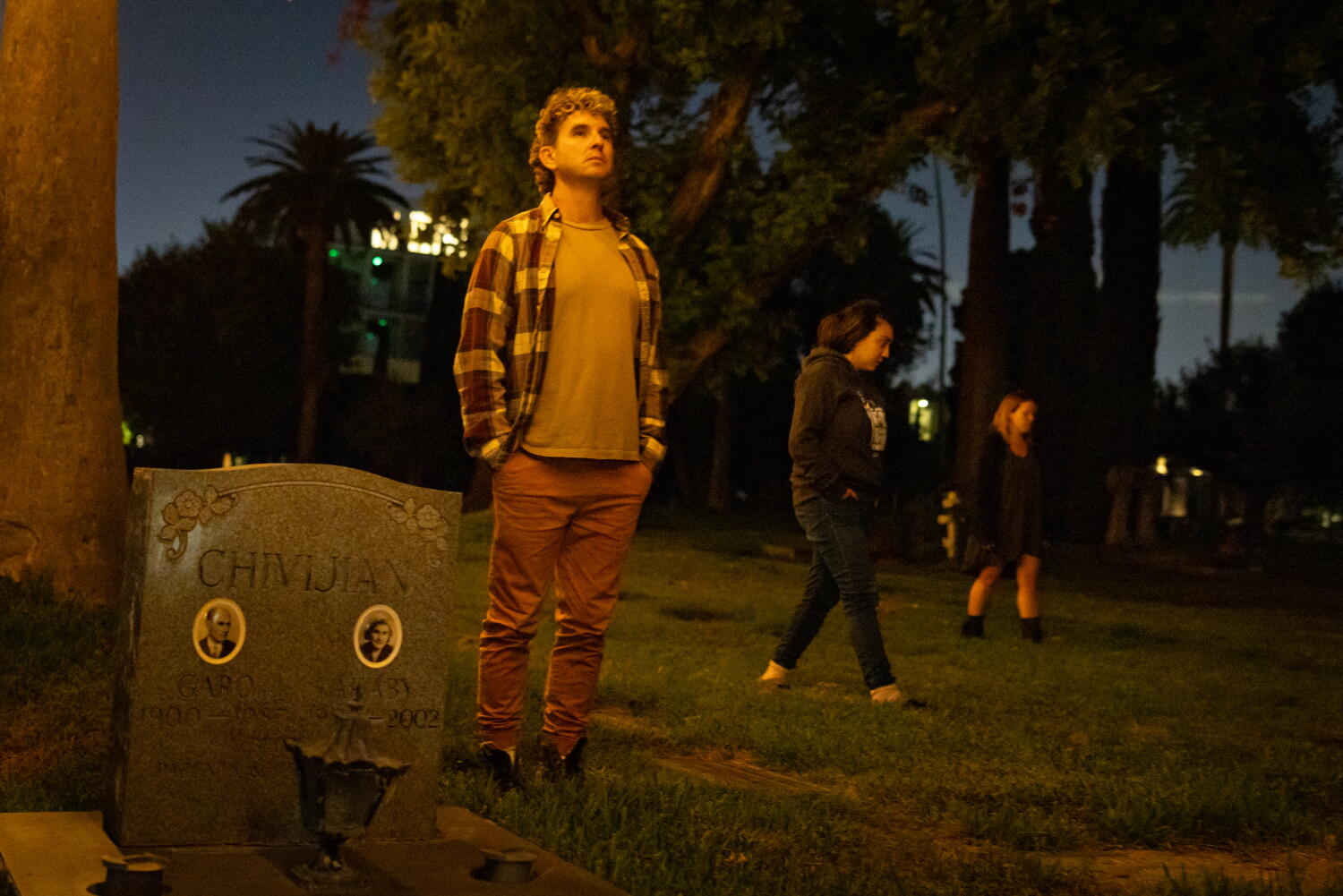
First, a hypothetical scenario: Imagine Maya, a thirty-two-year-old art director living in Koreatown. Her week is a blur of rush-hour commutes, client revisions sent at 9:45 p.m., and quiet dread every time her phone buzzes. One Saturday morning, feeling frayed and hollow, she walks through a peaceful cemetery garden in Los Angeles. Benches sit under shade trees. Pigeons hop across sun-warmed stone. Phones are tucked away out of respect for the dead.
For an hour, Maya’s nervous system gets a break. Why? Not because of celebrity aura, and not because grief cures anxiety. Rather, her senses stop getting bombarded. No horns blaring six inches from her bumper. No neon billboards flashing sales. No coworkers asking if she has "a quick sec."
Think of attention like a phone battery running five heavy apps at once. Constant traffic, notifications, and comparison drain it into the red. A quiet, park-like setting acts like airplane mode for a little while. Your breathing slows down. Your eyes rest on slow-moving clouds and leaves instead of screens and brake lights.
Here is the catch, though. Airplane mode only saves battery while it is turned on. The moment Maya steps back onto a crowded sidewalk, checks her messages, and merges onto the freeway, the background apps boot right back up.
A quiet hour in a peaceful place gives your nervous system a breather; it does not rewrite the schedule that exhausted you in the first place.
That distinction matters. Many people confuse temporary calm with lasting resilience. A peaceful afternoon is a pleasant pause, not a structural change. If your stress comes from chronic overwork, financial strain, or isolation, sitting on a bench for forty-five minutes cannot pay rent, set boundaries with a demanding boss, or fix eight weeks of poor sleep.
Why Los Angeles Stress Feels Different
Anyone who has lived in Los Angeles—or spent enough time there to feel its particular rhythm—knows the tension has a distinct flavor. It isn’t just noise. It is waiting.
You wait in traffic. You wait to hear back on a script, a job application, a permit, a lease. You watch friends move away because the math of staying gets harder every year, while new arrivals step off planes wide-eyed and hungry. The city holds out endless possibility right next to relentless friction.
In that environment, people get desperate for rituals that feel grounded and authentic. Meditating near a famous grave sounds counter-cultural and poetic—a quiet rebellion against hustle culture.
Consider what happens next when a trend like that catches fire:
A viral post frames a cemetery visit as a secret hack for inner peace. Dozens of stressed commuters show up with earbuds and wellness podcasts. Footsteps crunch across gravel where families came to mourn. Suddenly, the very quiet that made the space soothing starts to erode.
Even in the best-case scenario, meditating near a grave brings its own emotional baggage. Cemeteries are places of mortality, loss, and memory. For some people, sitting among headstones brings a sobering perspective—a reminder that deadlines are small compared to a human lifespan. For others, especially anyone grieving or wrestling with burnout, the weight of mortality can feel heavy rather than light.
If you are already running on empty, staring at reminders of how short and fragile life is may not relax you at all. It might just make you feel older and tireder.
Building Calm That Survives the Freeway
So if sitting by a famous memorial isn’t a cure-all, what actually works when Los Angeles—or any high-pressure city—has you wound up like a spring?
Let’s use a metaphor: stress management is less like taking a single cold plunge and more like tending a garden in dry soil. You can pour a bucket of water on cracked earth once a month, and most of it will run right off the surface. Real hydration comes from steady, unglamorous care—mulch, shade, and regular watering when nobody is watching.
Practical calm usually looks small and repetitive rather than cinematic.
- Protect small pockets of silence daily. Ten minutes of slow breathing on your bedroom floor or at a quiet neighborhood park before opening email does more over a month than one dramatic weekend excursion.
- Audit your commitments before adding new rituals. Adding "meditate at a landmark" to an already overstuffed calendar just turns relaxation into another chore you feel guilty missing.
- Anchor yourself in your actual body. Unclench your jaw. Drop your tongue from the roof of your mouth. Feel your feet flat against the floor during a tense meeting. Those tiny physical resets interrupt the stress loop faster than chasing a mood.
- Respect shared spaces. If you visit a cemetery or memorial ground to walk or reflect, keep noise low, stay on paths, and remember other visitors are there to pay respects, not to watch someone perform mindfulness.
None of this sounds like a movie montage. There is no swelling orchestral score, no golden-hour lens flare, no instant transformation.
And yet, that unflashy steadiness is the whole point. Real calm isn’t borrowed from a famous name or a stone marker. It is built brick by brick in ordinary hours—on a Tuesday morning when your coffee goes cold, on a crowded train or highway when nothing moves, and in the quiet decision to stop punishing yourself for being human.
The sirens will still wail in the distance. The 405 will still bottleneck near the pass. Los Angeles will keep humming, dreaming, and colliding at full volume.
You don’t need a ghost or a gravestone to teach you how to breathe. Your own lungs already know how.