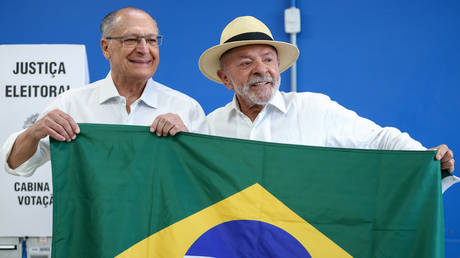
When digital platforms hold the keys to public discourse, an algorithm glitch looks an awful lot like a thumb on the scale. During the tense build-up to Brazil's high-stakes presidential runoff, Luiz Inácio Lula da Silva’s campaign found itself locked out of its main advertising channels on Facebook just days before voters headed to the polls. For a country where nearly three-quarters of adults rely on Instagram and Facebook as primary news sources, that kind of outage isn't a minor technical hiccup. It is an existential threat to an electoral campaign.
The friction between Silicon Valley and Brasilia highlights a terrifying reality for modern democracies. Big tech companies act as global arbiters of political speech, yet they answer to boardrooms thousands of miles away. When Meta blocked Lula's official ad accounts, restored them quietly, and then stumbled through compliance orders from Brazil's Superior Electoral Court, the fallout was immediate. The platform claimed a routine technical error. The campaign smelled systemic bias. You might also find this similar coverage interesting: The Glass Fortress We Built in the Desert.
The Anatomy of Digital Chokepoints
Modern elections are won or lost in the murky waters of algorithmic distribution. Lula's team pointed to internal metrics showing that rival right-wing contender Flávio Bolsonaro's pages enjoyed nearly triple the organic engagement, despite holding a smaller follower count. Whether that disparity stems from algorithmic favoritism, user behavior patterns, or sheer coincidence is fiercely debated. But the mere fact that a private corporation can throttle a sitting president’s reach creates a massive trust deficit.
Brazil’s top electoral court didn't let the tech giant off the hook. After dealing with stalled disclosures and missing compliance data, the court hit Meta with a multi-million-real fine. It was a clear message that sovereign nations are growing tired of tech companies treating local democratic processes as just another international market to manage with automated customer support tickets. As highlighted in recent coverage by Mashable, the implications are notable.
Geopolitical Pressures and Foreign Shadows
This digital battleground doesn't exist in a vacuum. Brazilian politics are currently tangled in heavy international crosswinds. With former President Jair Bolsonaro facing long-term imprisonment, external political actors—including figures in Washington—have vocalized intense opinions on Brazil’s judicial and electoral systems. Lula's allies have frequently accused foreign entities of trying to exert economic and technological pressure to shape the country's political future.
When foreign tech infrastructure intersects with volatile domestic polarization, conspiracies thrive. If an ad account gets disabled right before a debate, millions of voters assume malice rather than incompetence. Meta can issue press releases about applying identical rules globally, but local context gets lost when content moderation is outsourced to automated systems and overworked human reviewers.
What This Means for the Future of Elections
We are moving past the era where social media companies can claim neutrality simply by enforcing blanket terms of service. Elections are messy, high-speed information wars. Platforms like Facebook and Instagram are no longer digital town squares; they are the private utilities that power the square.
Regulators around the world are waking up to this vulnerability. From Europe's stringent platform laws to Brazil's aggressive enforcement by electoral judges, governments are forcing tech firms to open their black boxes. If Meta wants to operate freely in major global democracies, transparency can no longer be an afterthought handled only after a court issues a multi-million-dollar penalty.
The lesson from Brazil's latest electoral showdown is simple. Relying entirely on multinational tech giants to safeguard political equity is a gamble no democracy should have to take. Platforms must face rigorous local oversight, and campaigns need diversified communication strategies that do not leave them at the mercy of a sudden server block or an unexplained algorithm update.
Meta 'Interference', Youth Engagement and Lula's Next Term in Brazil
This video provides an in-depth look at Meta's alleged interference, youth voter engagement, and the broader political landscape surrounding Lula's victory in Brazil.