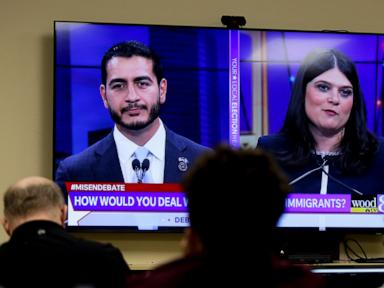
Elections sneak up on you. One minute you are looking at the distant horizon of an election cycle, and the next, ballots are dropping and the political map is shifting under your feet. Michigan is ground zero for this chaos. The Michigan Senate race isn't just another primary battle. It is a full-blown stress test for a party trying to figure out who it actually is and how it plans to win moving forward.
If you want to understand where American politics is headed, you have to look right here. High-stakes primaries expose every raw nerve within a party. This contest lays bare the tension between progressive ambition and establishment caution.
The High Stakes of an Open Seat
Open senate seats are rare treasures in politics. When a longtime incumbent steps down, the floodgates open. That is exactly what happened in Michigan. With Debbie Stabenow retiring after decades in office, a massive power vacuum formed instantly.
Both parties smell opportunity. Republicans see a prime pickup target in a crucial swing state. Democrats know they cannot afford to lose this seat if they want any hope of maintaining influence in Washington.
The primary battlegrounds are crowded. Money is pouring in from super PACs, national interest groups, and grassroots donors who want a piece of the action. You cannot turn on a local TV station or scroll through social media without getting hit by dueling ads.
The Democratic Identity Crisis
Let us be honest about what is happening on the ground. Democrats are having a family feud, and everyone is watching.
On one side, you have candidates backed by the party establishment. They talk about electability, coalition building, and pragmatic governance. They argue that Michigan voters want steady hands who can deliver results without rocking the boat too much.
On the other side, populist and progressive contenders are pushing hard for structural change. They argue that safety-first politics does not inspire turnout. They want aggressive action on healthcare, economic inequality, and climate change.
This clash reveals a fundamental question. Does the modern party win by appealing to moderate swing voters in the suburbs, or by firing up the multi-racial working-class base in urban centers? The answer usually dictates election night outcomes. Yet, many strategists still treat this choice as a zero-sum game. It is not. Winning requires threading a very narrow needle.
What Voters Actually Care About
Washington pundits love talking about ideological purity tests. Normal people do not care about that stuff. They care about grocery prices, housing costs, and whether their kids' schools are falling apart.
During primary season, candidates often spend too much time talking to donors and activists. They forget about the exhausted parent working two jobs in Grand Rapids or the auto worker worried about the transition to electric vehicles in Flint.
The winner of this primary will be the candidate who connects big national themes to kitchen-table realities. If you cannot explain your economic policy in ten seconds while someone is standing in line at the gas station, you are losing.
The General Election Shadow
Every vote cast in this primary casts a long shadow toward November. Primaries can be brutal. Candidates tear into each other, running scorched-earth ads that the opposition party will happily recycle in the general election.
This creates a classic political trap. You have to move left or right to survive the primary, but then you have to sprint back to the center for the general election. Independent voters are watching. They are tired of the polarization and the endless shouting matches.
Michigan is a purple state that refuses to stay painted in any single color. Trump won it in 2016. Biden won it in 2020. Local races swing back and forth on razor-thin margins. A misstep in August means a defeat in November.
Reading the Tea Leaves
Pay attention to turnout numbers. That is the real metric to watch. High turnout in urban centers tells one story. A surge in suburban counties tells another.
The campaigns that survive this primary are the ones built on actual human connection, not just algorithmic ad spending. Watch how the candidates handle the final stretch. The ones who keep their cool and focus on working families usually win.
Keep your eyes on the results as they roll in tonight. Do not just look at who wins. Look at the margins, the geographic splits, and the demographic shifts. Michigan is writing the playbook for the next decade of American elections, and the rest of the country better pay attention.