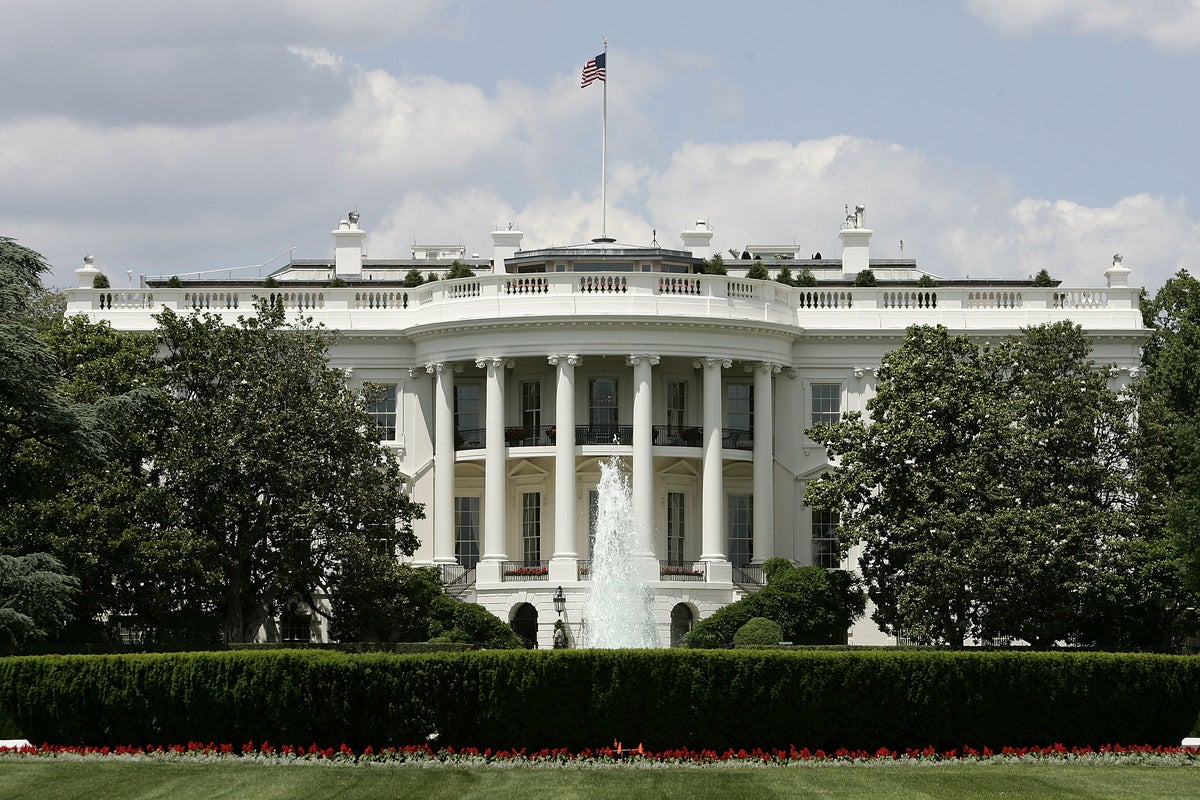
Washington loves a grand bargain. Every few years, an American administration rolls out a shiny diplomatic initiative, promises a historic transformation of the Middle East, and sets high expectations. Then reality hits.
The grand promises dissolve into the same old stalemates. Why do these diplomatic breakthroughs always fail to materialize?
It is easy to blame stubborn local actors or ancient hatreds. That explanation is lazy. The real failure lies in a fundamental misunderstanding of regional dynamics by foreign planners who treat complex political struggles like corporate merger negotiations. They chase headlines instead of addressing structural realities. If you want to understand why Washington keeps striking out, you have to look past the press conferences.
The Washington Cycle of Illusion
Foreign policy in the United States runs on election cycles. That creates an addiction to quick wins. Diplomats need a major announcement to validate their strategies before the next midterms or presidential vote.
This creates a perverse incentive structure. Real diplomacy takes decades. It requires quiet, unglamorous groundwork, trust-building, and managing expectations. Instead, modern administrations favor splashy summits. They push leaders to shake hands in front of cameras, sign memorandums of understanding, and declare a new dawn.
These photo ops rarely survive the flight back to Andrews Air Force Base.
Take the history of economic peace initiatives. The core assumption has always been simple. Pour enough capital into a region, build enough infrastructure, and political grievances will vanish. It sounds logical in a boardroom in Manhattan. On the ground in places like the West Bank, Gaza, or Yemen, it ignores the basic human demand for sovereignty, security, and dignity. Money cannot substitute for political rights. When planners pretend economic incentives can bypass territorial disputes, they build houses on sand.
Ignoring Domestic Politics on the Ground
American strategists often suffer from tunnel vision. They focus intensely on the handful of leaders sitting across the negotiating table while ignoring the millions of citizens those leaders claim to represent.
A prime minister or a president might sign a glittering agreement in Washington, but if that deal lacks domestic legitimacy, it is dead on arrival. Autocrats and fragile democracies alike face severe constraints. When a leader cuts a deal that alienates their domestic base, they risk their political survival or worse.
Washington consistently underestimates how much domestic political survival trumps foreign policy compliance.
Consider how regional powers view American reliability. Administrations change every four or eight years. A massive commitment made by one president can be entirely dismantled or ignored by the next. Regional leaders know this. They aren't going to bet their entire geopolitical future on a foreign policy blueprint that has an expiration date tied to an American election. They hedge their bets, talk to rival superpowers, and keep their options open. That rational self-protection gets labeled as bad faith in Washington, which only deepens the cycle of frustration.
The Myth of Regional Stability Through Arms Sales
One of the most persistent tools in the American toolkit is the massive arms transfer. The theory goes that by arming regional partners to the teeth, you create a stable security architecture that deters aggression and keeps shipping lanes open.
In practice, this approach often fuels the exact instability it claims to prevent.
When you flood a volatile region with advanced military hardware, you spark arms races. Local actors calculate that they need to strike first or acquire even more destructive capabilities to maintain deterrence. The security dilemma takes over. Every nation feels less safe, even as total military spending skyrockets.
American defense contractors record massive profits, but diplomats find themselves with fewer peaceful levers to pull. You cannot easily mediate a conflict when you are supplying both sides with the tools to escalate it. The strategic logic is broken, yet it persists because defense industrial interests align with bureaucratic inertia.
Looking Past the Press Releases
To break this loop, policymakers need a massive dose of humility.
Grand transformations don't happen because a White House official drafts a clever memo. Real stability requires accepting that some conflicts cannot be solved by external intervention. Sometimes the best role for a superpower is quiet, unsexy mediation behind closed doors, rather than demanding a breakthrough for the evening news.
Until Washington stops prioritizing optics over substance, the pattern will repeat. Another summit will be scheduled. Another historic document will be signed. And another promised breakthrough will quietly fade into history.
.jpg?width=1200&auto=webp&trim=0%2C100%2C0%2C100)