The country's highest-ranking military officer just drew a hard line on domestic politics. General Dan Caine made it clear that the armed forces will stay entirely away from voting booths.
If you're wondering whether service members are going to guard ballot boxes this November, the answer is a flat no. In related developments, take a look at: The Wind Swept Islands Caught Between Empires And Memory.
Rumors and anxieties have swirled for months. Lawmakers, particularly Democrats like Michigan Senator Elissa Slotkin, pushed military leadership for written guarantees. They wanted to know if federal forces or federalized National Guard units would end up stationed at polling sites.
Gen. Caine answered that question directly in a formal letter. NBC News has analyzed this fascinating issue in great detail.
What the Joint Chiefs Actually Promised
The military isn't stepping into local voting administration. Caine's letter spells out specific boundaries.
- No polling place presence: Federal troops and federalized National Guard members won't be sent to watch over voting locations.
- No equipment seizures: The military has zero plans to touch ballots, voting machines, or related election hardware.
- No unlawful orders anticipated: Caine noted he hasn't received, nor does he expect to receive, any illegal directives regarding military involvement in the midterms.
That's a strong statement. It reassures an anxious public that the armed forces aren't being dragged into partisan fights.
Why Everyone Was Worried
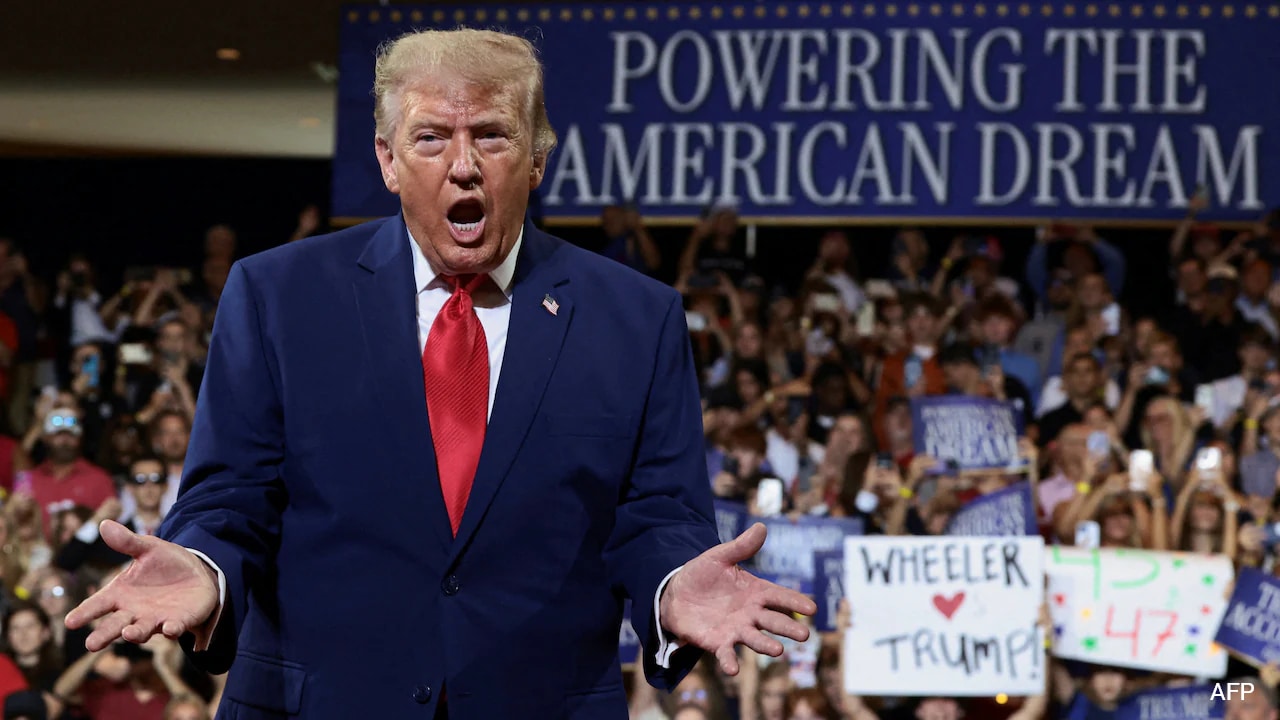
You don't have to look far to find the root of these fears. Past political rhetoric left plenty of room for speculation about federal intervention. President Trump previously floated the idea of deploying the National Guard or immigration enforcement agents to voting sites to ensure what he termed "honest elections", and he openly lamented not seizing election equipment back in 2020.
Add in recent deployments of federal agents and National Guard units to major American cities over local objections, and you get a recipe for high tension. Lawmakers worried the midterms might see a militarized approach to voting security.
Even so, the legal barriers to using troops domestically are massive.
The Guardrails That Matter
The Posse Comitatus Act exists for a reason. It blocks federal military personnel from acting as a domestic police force. Separate federal statutes specifically criminalize sending armed troops to places where an election is actively happening, unless an explicit armed threat against the country requires it.
Gen. Caine's letter reinforces these statutory limits. He emphasized that managing elections and securing polling locations remains strictly the job of state and local officials.
Defense Secretary Pete Hegseth faced similar questions during a congressional hearing earlier this year, dismissing queries about seizing ballots as "gotcha hypotheticals" while maintaining he wouldn't follow illegal orders. Still, Caine's written commitment offers a much clearer, formalized stance from the uniformed leadership.
Ultimately, the military is signaling it wants no part in policing ballots. State election boards and local clerks will run November's elections without armed federal interference.