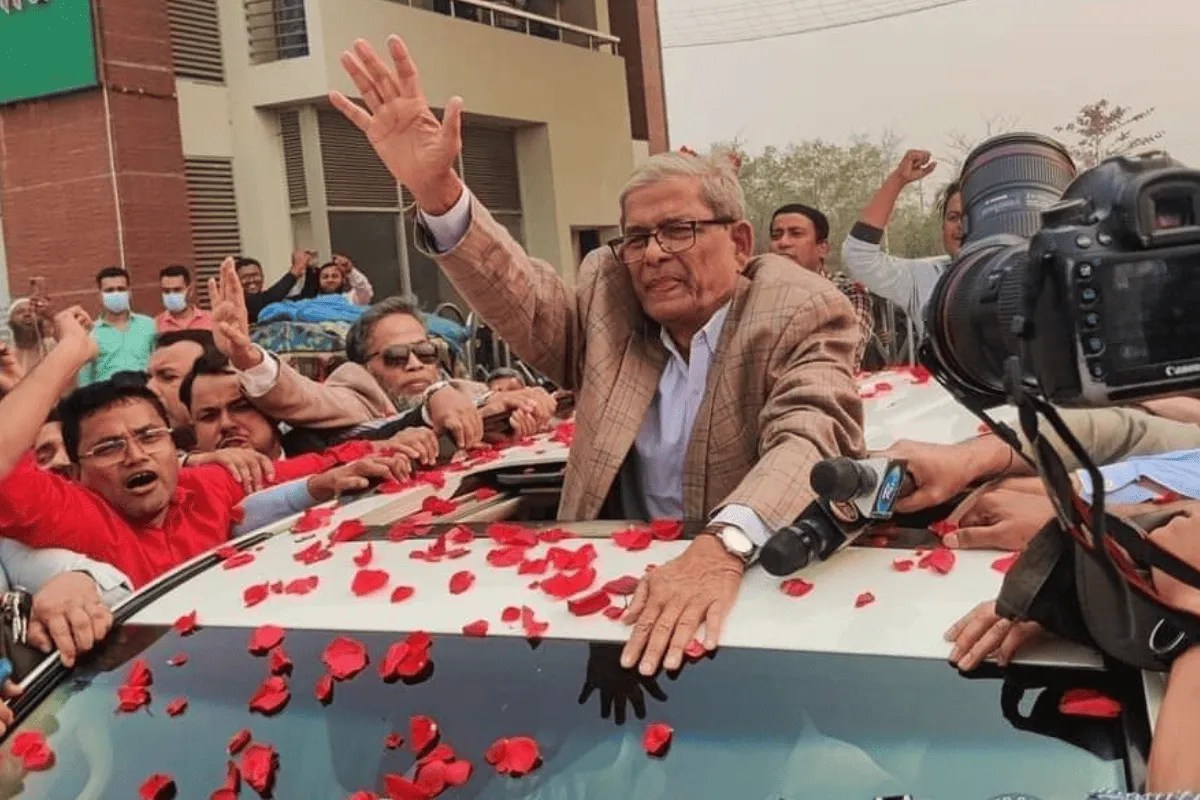
The political architecture of Bangladesh shifted on August 20, 2026, when the Jatiya Sangsad elected Mirza Fakhrul Islam Alamgir as the 23rd president of the nation. This transition, marked by the first contested presidential election in 35 years, signals a profound move away from the consensus-driven appointments that historically defined the office. By securing 255 votes against his rival, Colonel (retd) Oli Ahmed, Alamgir effectively cements the current ruling administration’s influence, transitioning from his role as the Bangladesh Nationalist Party (BNP) secretary general and local government minister to the head of state.
For observers of South Asian geopolitics, the elevation of a seasoned party strategist to the presidency raises immediate questions about the balance of power in Dhaka. While the presidency remains a largely ceremonial position under the existing parliamentary framework, the context of this election—a two-thirds majority for the BNP and a pledge to re-examine executive powers—suggests a different trajectory. Alamgir, who spent decades navigating the volatile waters of opposition politics during the tenure of the previous regime, now sits at the apex of a constitutional system he spent his career critiquing from the outside.
The path to this office was paved by the resignation of his predecessor, Mohammed Shahabuddin, who vacated the position citing health concerns. In a landscape where political survival often dictates outcomes, the BNP’s decision to move their most recognizable organizational architect into Bangabhaban—the presidential palace—reflects a calculated consolidation of institutional control. Supporters view this as a necessary stabilization of state apparatuses after a period of intense volatility. Critics, however, are parsing his past statements for clues on how he might manage the tension between the presidency and the office of the prime minister, currently held by Tarique Rahman.
Alamgir’s rise is not that of a political neophyte. Born in 1948, he cut his teeth in left-leaning student movements at Dhaka University before transitioning into an economics career and eventually entering the machinery of government service. His tenure as secretary general of the BNP was defined by his role as the party’s steady hand during the imprisonment of Khaleda Zia and the long exile of Tarique Rahman. He is viewed as an institutionalist who understands the levers of bureaucracy better than most of his contemporaries.
The question of Bangladesh’s foreign policy, particularly its relationship with India, looms large in these deliberations. Alamgir’s public rhetoric has consistently prioritized national sovereignty, a stance that has sometimes been interpreted as skepticism toward regional hegemons. Yet, as a pragmatist, he understands the economic realities of the subcontinent. The shift in his role from partisan gatekeeper to neutral head of state—at least in theory—will require a delicate calibration. He must reconcile the nationalist fervor that energized the BNP base with the necessity of maintaining stable, productive ties with neighbors that are crucial for regional security and trade.
The constitutional implications of his presidency are equally significant. The BNP manifesto explicitly referenced the potential for structural reforms, including a possible expansion of the president’s authority. If such amendments were to materialize, the presidency could evolve from a symbolic rubber stamp into a true counterbalance to executive overreach. Such a change would alter the internal dynamics of the parliament, potentially slowing down decision-making processes but arguably creating a more resilient check-and-balance system.
As Alamgir prepares to take his oath, the streets of Dhaka are watching not just the man, but the movement he represents. The transition from the protest-heavy, oppositional years to the exercise of total governance is the ultimate test of any political organization. For a man who spent his life preparing for the role of the agitator, assuming the role of the arbiter is the most difficult assignment of his career. He brings to the office a deep familiarity with the grievances of the populace, yet he now inherits the responsibility of the state.
The stability of this new administration will depend on its ability to move beyond the binary of past vs. future. The rhetoric of independence and sovereignty served the party well during the campaign, but the governing phase demands a different set of skills. Economic revitalization, institutional reform, and the management of a fragmented civil society remain the primary hurdles. Alamgir’s ability to transcend his partisan identity will determine if his presidency is remembered as a mere consolidation of power or as the beginning of a genuine modernization of the Bangladeshi state. The institutional memory he carries is deep, but the problems facing the country in 2026 are entirely new.
BNP leadership and political shift in Bangladesh
This analysis explores the historical shift in the Bangladeshi presidency, examining how Mirza Fakhrul Islam Alamgir’s transition from a long-time party secretary general to the head of state influences the nation’s political trajectory.
http://googleusercontent.com/youtube_content/1