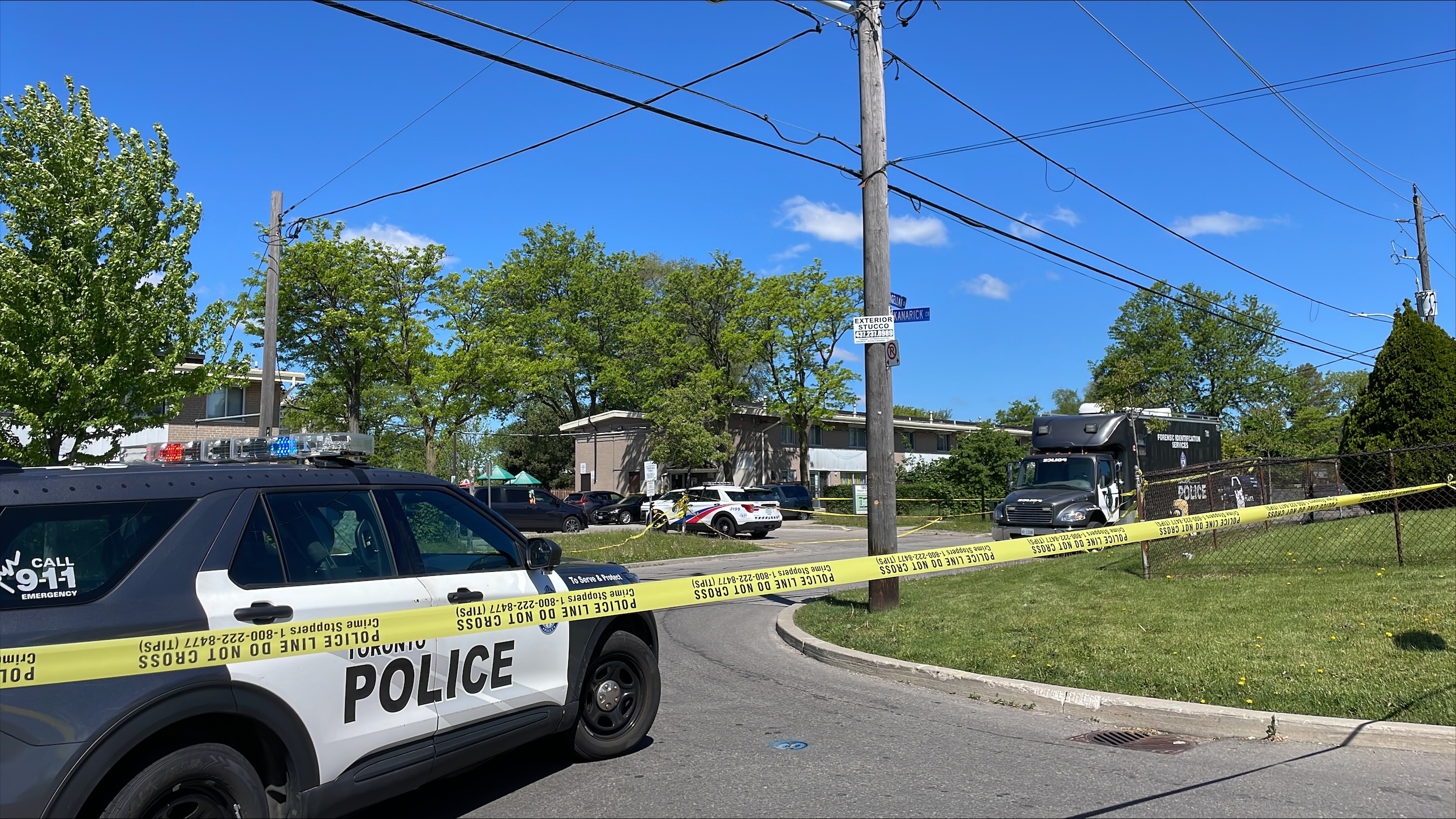
The traditional crime beat is dead. It has been replaced by a lazy, paint-by-numbers formula that does less than nothing to inform the public.
A young man is shot down near his driveway. The police tape goes up. The local news trucks roll in. Within hours, the standard narrative is deployed: a victim is fatally shot "steps from home," police are looking for suspects, and the neighborhood is left in shock.
This is reactive stenography, not journalism.
By focusing entirely on the immediate, sensational geometry of a crime—exactly how many feet from a victim's front door the bullets flew—media outlets consistently miss the actual mechanics of urban violence. They trade structural analysis for cheap proximity-based emotion. It is a disservice to the victims, a pass for failing institutional strategies, and a blueprint for public paranoia.
The Proximity Trap in Public Safety
Mainstream crime reporting relies on a predictable emotional hook: the illusion of shattered sanctuary. The phrase "steps from home" is weaponized to imply that violence is an unpredictable lightning strike hitting random citizens on their doorsteps.
It almost never is.
Decades of criminological data show that violent urban crime is highly concentrated. It does not strike at random across a geographic area. Instead, it anchors to specific micro-locations—sometimes a single problematic address, a specific commercial parking lot, or a neglected alleyway—and involves tightly knit networks of individuals.
When the press fixates on the proximity of a shooting to a residence without analyzing the broader environmental design or the systemic failures leading up to the event, they create a false narrative. They tell the public that everyone is equally at risk everywhere, which is statistically illiterate.
I have spent years analyzing municipal policy and watching city halls dump millions into reactive policing strategies based on public panic fueled by this exact type of reporting. It fails every time. Reactive policing moves the violence three blocks over; it does not eliminate it.
Dismantling the People Also Ask Premise
When a high-profile shooting occurs, public search trends inevitably spike with variations of the same flawed questions.
Why is violent crime suddenly rising in safe neighborhoods?
The premise is wrong. Crime is not bleeding indiscriminately into historically safe enclaves. What is changing is the visibility of the data and the hyper-localization of media alerts on smart devices. If you map homicides over a twenty-year horizon in any major metropolitan area, the geographic clusters remain remarkably stubborn. The illusion of a sudden spread is a byproduct of sensationalized framing that prioritizes proximity over pattern.
How can police catch suspects faster after a shooting?
This is the wrong question to ask. The focus on post-incident apprehension is a failure of imagination. Criminologists like David Kennedy, architect of the Ceasefire intervention model, have proven that the key to reducing homicide rates is targeted deterrence and interrupting the cycle of retaliatory violence before the first trigger is pulled. Once a shooting happens, the institutional failure has already occurred. Focusing solely on the manhunt lets preventative systems off the hook.
The Cost of the Superficial Narrative
The downside to challenging this established media narrative is that nuance does not fit neatly into a social media headline. It is far easier to generate clicks by stoking raw fear than by explaining the complex intersection of environmental criminology, municipal zoning failures, and social network analysis.
But look at the cost of our current approach.
When we treat every neighborhood shooting as an isolated, tragic anomaly that happened "steps from home," we miss the systemic drivers. We fail to ask why specific properties become magnets for illegal activity. We ignore the failure of local bail systems or the collapse of community-level intervention infrastructure.
Worse, this style of reporting drives middle-class flight and commercial disinvestment from the very areas that need economic stability the most. Fear destroys local economies faster than the actual crime does.
Stop Demanding More Patrols and Start Demanding Micro-Targeting
If you want to actually reduce the number of families mourning a relative killed outside their home, stop demanding blanket police visibility. Stop calling for more cruisers to drive aimlessly through entire postal codes.
The data tells us exactly what works: situational crime prevention and problem-oriented policing.
- Fix the physical environment: Criminological frameworks like CPTED (Crime Prevention Through Environmental Design) demonstrate that modifying lighting, sightlines, and access points can permanently disrupt crime hot spots without firing a single shot or making a single arrest.
- Target the network, not the geography: The vast majority of urban violence is driven by an incredibly small percentage of the population involved in active disputes. Interventions must be surgically targeted at these specific networks through street-level mediation and direct communication of consequences.
- Hold municipal agencies accountable: If a specific location is a known catalyst for violence, it is an administrative failure by zoning boards, liquor licensing bodies, and local landlords. Hold them legally and financially liable.
The next time you read an article detailing a tragedy defined solely by how close it was to someone’s front door, reject the emotional manipulation. Demand the data, look for the systemic failure, and stop letting lazy reporting dictate how we view the safety of our streets.