The runway is built on illusion. Lights flash, music thumps, and silk drapes over shoulders as if weightless. Behind the heavy velvet curtains, however, the air is thick with tension. Years of tradition, multi-million dollar empires, and elite tastes collide daily with a changing world. Sometimes, that collision leaves the runway entirely and spills onto the pavement.
Consider the modern fashion executive. Their world is one of boardrooms, fabric swatches, and global calendars. They orchestrate trends months before the public ever sees them. But outside those pristine office windows, a different kind of urgency pulses. Activism does not wait for a seasonal collection to drop. It arrives unannounced, carrying placards, cameras, and raw fury. For another view, check out: this related article.
When a high-profile clash erupts between industry leadership and animal rights demonstrators, it lays bare a deeper fracture. This is not merely about a headline or a viral video. It is about two distinct realities crashing into one another with devastating speed.
The Weight of Tradition
For decades, luxury houses operated behind closed doors. Decisions were made by a select few. The consumer received the finished product, divorced from the supply chain, the labor, and the raw materials. That distance protected the mystique. Further reporting regarding this has been published by The Washington Post.
Today, that distance has vanished.
Cameras are everywhere. Every reaction is recorded, analyzed, and broadcasted to millions within seconds. When a fashion leader steps out onto a public street, they are no longer just a private individual walking to a car. They carry the entire legacy of the brand on their shoulders.
Tension mounted outside the corporate headquarters weeks before the incident. Protesters gathered daily. Their chant was simple, repetitive, and relentless. It echoed against the glass facade of the building, rattling the calm interior where spreadsheets and marketing strategies reigned supreme.
Then came the flashpoint.
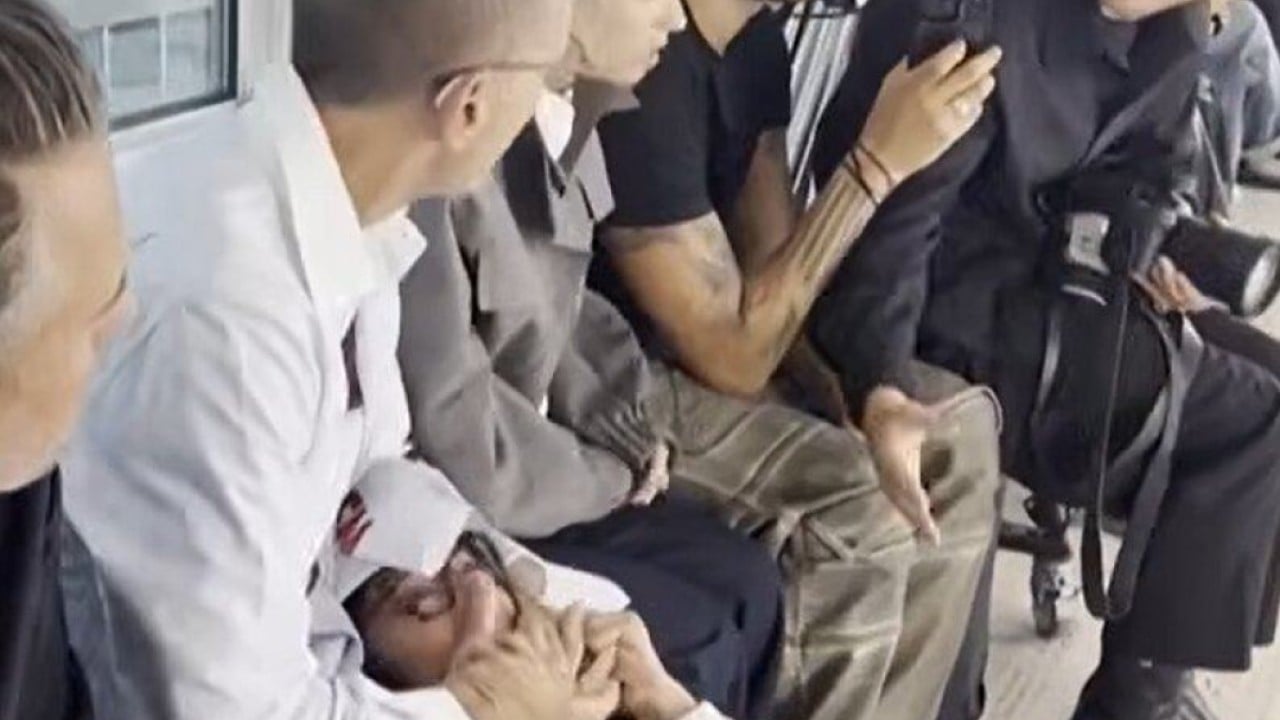
A confrontation. Shouting. Physical contact. A smartphone captured the entire exchange, freezing a chaotic moment in time for the digital age to consume. Within hours, the clip had crossed international borders. The executive, once known only within industry circles, became a global focal point.
The Aftermath of Exposure
Resignation followed quickly. In the high-stakes arena of modern commerce, a viral scandal leaves little room for deliberation. Corporate boards move swiftly to protect brand equity. A leader who becomes the story rather than the manager of the story is liability incarnate.
Yet, stepping down does not erase the underlying friction.
The public watched the video and chose sides. Some saw an executive pushed to the brink by relentless harassment. Others saw an arrogant representative of an outdated industry facing long-overdue accountability. Both narratives miss the quiet reality of what is happening beneath the surface.
Fashion is changing. It has to. The material choices that defined luxury for a century are no longer universally accepted. Consumers question ethics as much as they question aesthetics. When institutions resist that shift, the pressure builds. Eventually, the glass cracks.
We are left watching the fallout of a single, explosive moment. It serves as a reminder that the clothes we wear carry stories far heavier than the fabric itself. Every seam holds a choice. Every public appearance carries a risk.
The street remembers what the runway tries to forget. And as the dust settles on this latest corporate exit, the message hangs heavy in the air. The old rules no longer apply. The audience is no longer watching from a distance. They are standing right there, waiting at the door.


