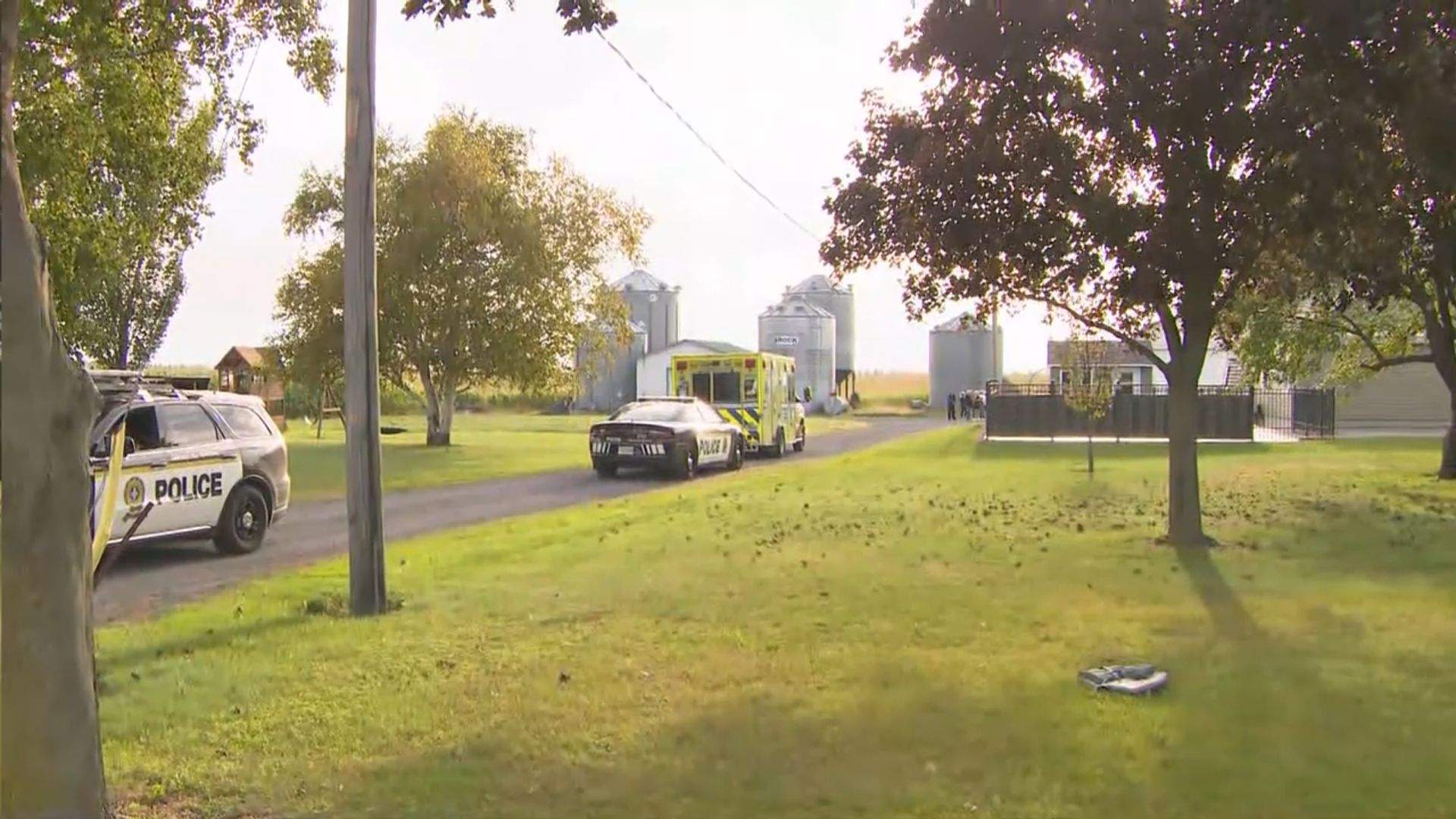
When four lives ended abruptly in the wreckage of a downed helicopter near Montreal, routine news bulletins offered the usual somber script. Police confirmed the fatalities, investigators converged on the debris field, and officials promised a thorough review. But beneath the surface tragedy lies a grimly familiar systemic failure. This disaster is not merely a tragic anomaly of fate or sudden mechanical failure. It is the predictable outcome of an aviation ecosystem strained by outdated regulatory frameworks, marginal weather pressures, and the quiet erosion of pilot autonomy in commercial rotorcraft operations.
To understand why a helicopter went down on the periphery of a major Canadian urban center, one must look past the immediate perimeter tape and examine the architecture of modern low-altitude flight oversight. Commercial helicopter operations occupy a volatile space between fixed-wing rigidity and the unpredictable realities of low-level visual navigation. When aircraft operate under Visual Flight Rules near dense population centers, they thread a needle between controlled airspace corridors, hidden transmission lines, and volatile regional weather patterns dictated by geographic anomalies like the St. Lawrence River valley.
The core vulnerability in these operations is the heavy reliance on individual pilot judgment under intense commercial duress. Unlike commercial airlines operating sophisticated Instrument Flight Rules with dual-pilot crews, corporate and charter helicopter missions often operate on razor-thin margins. A single pilot makes the final go-or-no-go decision while facing subtle financial and operational expectations from clients or employers to complete the transit. When visibility deteriorates or ceilings drop unexpectedly, the psychological trap of press-on-itis takes hold.
The Mirage of Regulatory Protection
Transport Canada and the Transportation Safety Board issue reams of safety recommendations following every fatal incident, yet the fundamental enforcement mechanisms governing private and small-scale commercial operators remain reactive rather than proactive. Safety Management Systems are legally mandated for major carriers, but smaller helicopter operators often treat compliance as a paper exercise rather than an active cultural shield.
Consider the mechanics of low-altitude flight in marginal weather. A pilot departing a suburban pad near Montreal encounters rapidly shifting microclimates. Fog rolling off waterways, sudden drops in cloud base, and blinding winter glare create an environment where spatial disorientation can kill an experienced aviator in seconds. Rotorcraft do not possess the inherent aerodynamic stability of fixed-wing aircraft. They require continuous, high-workload inputs from the pilot just to maintain equilibrium. When external visual references vanish, the transition from visual flight to instrument flight without adequate training or instrumentation is frequently fatal.
Investigative reports from past crashes repeatedly cite the same contributing factors. Pressure to maintain schedules, inadequate weather reporting stations in rural-urban transition zones, and the absence of mandatory advanced avionics like Terrain Awareness and Warning Systems in older fleets. Yet, regulators balk at mandating expensive retrofits for smaller operators, citing economic hardship. The unspoken calculus weighs the cost of safety equipment against the value of human lives, and the balance repeatedly tips toward the ledger.
The Geography of Risk Around Montreal
The airspace surrounding Montreal presents a unique crucible for aviators. The convergence of heavy commercial traffic from major international airports, sprawling suburban development, complex river valleys, and industrial corridors creates a congested aerial map. Helicopters must transit these zones at lower altitudes to service utility lines, medical transport needs, or private charters.
This geographic reality leaves zero margin for error. An engine failure or a sudden loss of visibility over the suburban sprawl offers no safe landing options. Pilots are forced to choose between crashing into residential neighborhoods or attempting a high-risk forced landing in confined terrain. The municipal boundaries expand, pushing urban developments closer to utility corridors and rural flight paths, magnifying the collateral risk to citizens on the ground.
Industry insiders whisper about the quiet normalization of deviance. Small shortcuts become standard practice because nothing went wrong the last ten times. Pilots fly slightly lower under a descending cloud ceiling. Dispatchers push boundaries on weather minimums. Operators defer costly maintenance checks until the absolute regulatory deadline. This cultural erosion happens incrementally, making it invisible to outside observers until metal meets earth.
The Illusion of Finality in Accident Investigations
When the Transportation Safety Board releases its final report months or years from now, the findings will likely echo decades of past inquiries. They will point to environmental factors, pilot decisions, and operational pressures. Recommendations will be filed. Letters will be exchanged between regulatory bodies and industry associations.
Nothing substantial will change until the foundational economics and oversight of rotorcraft aviation are fundamentally restructured. True reform requires moving away from voluntary compliance models toward aggressive, unannounced safety audits of charter and utility helicopter bases. It demands mandatory simulator training for unexpected instrument meteorological condition encounters. Most importantly, it requires shielding pilots from economic retaliation when they refuse to fly into marginal conditions.
Four families are now grieving because a routine flight turned catastrophic. Their loss is a stark reminder that modern transportation infrastructure tolerates lethal blind spots in sectors that escape public scrutiny until disaster strikes. Until regulators treat low-altitude commercial aviation with the same rigorous oversight applied to commercial airlines, the skies above our cities will remain perilous, waiting for the next preventable tragedy to force another reluctant reckoning.