Cold coffee in a paper cup at three in the morning is a particular kind of loneliness. You sit in a dimly lit newsroom or a cramped embassy annex, watching tickers blink green and red across a screen that never truly sleeps, trying to translate five-minute diplomatic remarks into a story that explains why a fertilizer price jumped or why a ship changed its transponder signal somewhere between the Baltic and the Arabian Sea.
For years, people spoke about global politics as if the map were carved in stone. Europe faced west and north; Russia looked across the Urals with one eye and toward Brussels and Berlin with the other; India stood in New Delhi, balancing old friendships with urgent modern needs. Then sanctions tightened, pipelines rerouted, and a continent that once bought Russian gas as easily as morning bread slammed doors that had stayed half-open since the end of the Cold War.
When External Affairs Minister S. Jaishankar remarks that India is a natural option as Moscow turns toward Asia amid strained ties with Europe, it sounds on paper like a neat diplomatic line. A soundbite. A headline for the morning brief.
Except diplomacy is rarely neat. And "natural" in statecraft does not mean effortless or automatic. It means geography, memory, trade arithmetic, and hard-nosed leverage colliding in real time.
The Weight of a Rerouted Compass
Think of a large merchant vessel—let us call her the Kaveri, a hypothetical Aframax tanker sailing under a pragmatic flag—carrying crude oil that no longer has an easy welcome in Rotterdam. A decade ago, her captain might have known the pilotage rhythms of northern European ports by heart. Today, her route bends south and east, past chokepoints where insurance premiums spike with a single rumor and where customs clerks scrutinize every certificate of origin with a magnifying glass.
On board is an ordinary crew: a second mate from Kerala sending money home for his daughter's engineering tuition, a chief engineer counting down the weeks until his relief arrives in Singapore. They do not care about grand geopolitical theories. They care about fuel burn, port delays, and whether their wages clear on time. Yet their daily grind sits right inside the shift Jaishankar is pointing to.
When Europe restricts energy imports, bans certain financial channels, and severs long-standing institutional ties with Moscow, Russia cannot simply put eleven time zones on pause. Goods still need buyers. Factories still need inputs. Defense plants, industrial suppliers, and commodity exporters still look outward for markets that will not vanish overnight when a new sanctions package is drafted in Brussels.
Asia is not a single door, though. It is a sprawling house with many rooms—some welcoming, some guarded, some crowded with rivals. China is the giant in the hallway, bringing massive scale, deep manufacturing, and glaring asymmetry. Southeast Asia brings trade corridors and growing appetite. And India stands there with its own history, its own defense ties with Moscow, its own booming domestic demand, and its own deep reluctance to become a junior partner to anyone.
To call India a "natural option" is to make a sober claim about fit and necessity, not romance. Two big economies with decades of defense and political familiarity—and a pressing need to keep trade moving when old arteries clog—naturally look for practical ways to talk and transact. Still, looking at each other across a changing table is only step one. Making the math work is where real friction begins.
What Happens When Old Friends Negotiate New Terms
Let us be honest: watching major powers recalibrate can feel dizzying, even unsettling. If you follow international affairs closely, you sometimes catch yourself wondering whether old alliances are dissolving into pure transactionalism, or whether countries are just admitting out loud what they have practiced quietly for generations.
I have sat through enough late-night press briefings and policy panels to know how quickly people project their own fears onto a diplomatic phrase. When an Indian minister says India is a natural option for a Moscow pivoting toward Asia, critics in some capitals hear an endorsement of everything Russia does. Critics elsewhere hear a promise of unlimited favors. Neither reading captures the cold precision of foreign ministries.
Real diplomacy is closer to haggling in a crowded spice market during monsoon season—wet pavement, sharp voices, everyone trying not to get soaked while striking a fair bargain. You do not buy every sack on display just because the seller is standing right in front of you. You check the weight. You smell the quality. You ask what happens next month if the rains don't stop.
Consider the metaphor of a shared kitchen during a power cut. When the main grid trips and the usual suppliers cannot deliver, the neighbors who already know how to light a gas stove and share a flashlight have an obvious advantage over strangers knocking in the dark. Familiarity lowers the friction of starting a conversation.
Yet familiarity does not erase every obstacle. Payments clear—or stall—depending on currency rules, banking exposure, and shipping insurance. Trade imbalances create awkward questions: what happens when one side sells huge volumes of raw materials or defense hardware, while the other wants broader market access for pharmaceuticals, machinery, engineering goods, or consumer products? A healthy partnership cannot survive forever as a one-way chute.
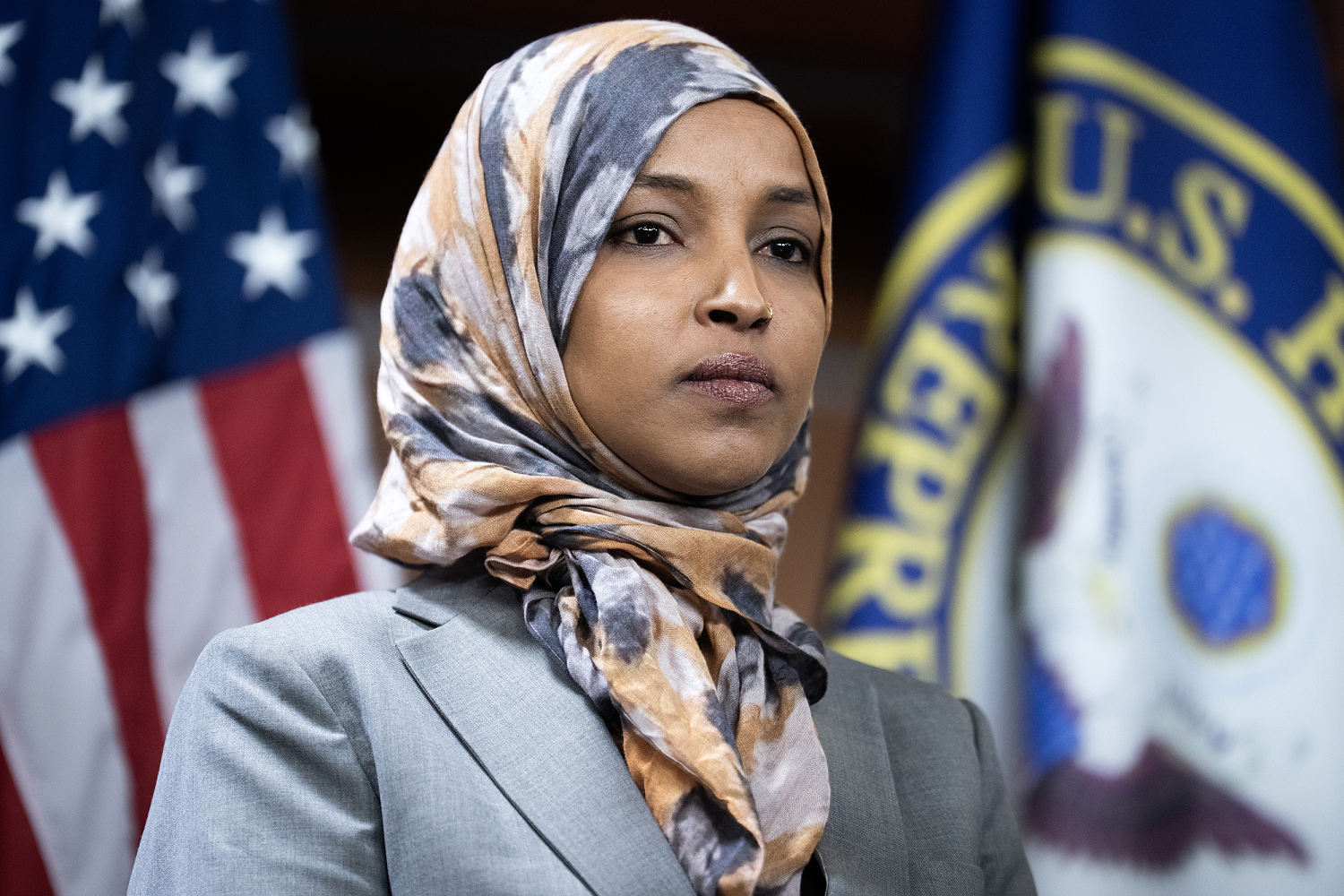
Look at the posture in that frame: composed, deliberate, hands open mid-thought, weighing words the way a chess player weighs a knight move before touching the wood. That body language tells you more than a hundred pundit threads. There is no triumphalism there. Just calculation, readiness, and an awareness that every sentence will be dissected by three capitals before the tea cools.
The Invisible Stakes Behind the Headlines
Why should someone sitting thousands of miles away—maybe in Mumbai, maybe in Warsaw, maybe in Tel Aviv or Toronto—care how Russia and India adjust to a fractured European relationship?
Because supply chains are nervous systems. Pull one tendon in Eastern Europe, and a finger twitches in South Asia or the Gulf.
Take something as unglamorous as fertilizers and specialty chemicals. Farm yields depend on timely inputs; farm yields shape food inflation; food inflation shapes whether a family in a small town skips fruit this week or argues over grocery bills at dinner. Or take energy flows: when crude oil moves away from Western buyers toward Asian refiners, global shipping routes stretch, freight rates bend, and every link in the chain—from insurers to port operators—has to price in new risk.
Let us trace a hypothetical scenario to see how abstract policy hits real wallets. Picture Meera, who runs a mid-sized packaging and industrial goods business in western India. She never sets foot in the Kremlin or the Palais des Nations. Her morning starts with raw material quotes and freight schedules. When global trade routes twist because Europe and Russia are locked in confrontation, shipping lanes lengthen, war-risk or sanction-compliance checks add days to transit, and input prices jump in sudden bursts. If trade channels between India and Russia become smoother, more predictable, and more balanced, Meera might gain a steadier supply of certain industrial inputs or a new export opening. If bottlenecks or payment snags persist, she eats the margin squeeze.
Geopolitics is never just about flags and speeches. It is about whether a small manufacturer can quote a reliable price to a customer next quarter.
It is also about balance. India has spent years building deeper economic, technological, and security ties with the United States, Europe, Japan, and partners across West Asia, while keeping historic ties with Russia alive. That balancing act is not easy. Push too hard in one direction, and you strain another relationship you value. Pull back too sharply, and you hand influence to rivals who would love an empty chair.
Moscow's turn toward Asia changes the room everyone is sitting in. With Europe hardened against Russian energy and traditional diplomatic channels strained, Moscow has fewer Western cards to play and stronger incentives to court Asian partners. For New Delhi, being a "natural option" means being sought out—and choosing carefully what to accept, what to negotiate, and where to draw the line.
Why "Natural" Still Demands Hard Work
History is full of partnerships that looked "natural" on paper and broke apart in practice. Empires shared borders and still fought for centuries. Neighbors traded spices and silk and still misread each other's motives at every turn.
A diplomatic opening is like a dry riverbed after a long drought. When the first surge of water arrives, channels fill quickly and spirits lift. Everyone wants to believe the shortage is over. Yet the real test comes weeks later, when the banks must hold without flooding the fields or running dry by noon.
India and Russia have real history, real institutional memory, and real areas of overlap—from defense spares and energy to connectivity corridors and industrial cooperation. None of those things is going away tomorrow. At the same time, India's future economy is deeply tied to global markets, technology ecosystems, and partnerships far beyond Eurasia. A smart power does not trade away its wider horizon just because an old partner is looking for new company.
Maybe that is the sharpest truth inside Jaishankar's remark. Being a natural option is not a crown someone hands you. It is a position you earn through patience, clear-eyed self-interest, and the nerve to say yes where it counts—and no where it does not.
Dawn breaks slowly over New Delhi in late autumn, pale amber pushing through cool haze while early commuters pull shawls tighter around their shoulders. Somewhere a kettle whistles, a phone buzzes with another wire alert, and diplomats open thick folders already outdated by an hour—knowing the map is moving again, and knowing only steady hands can keep their footing.