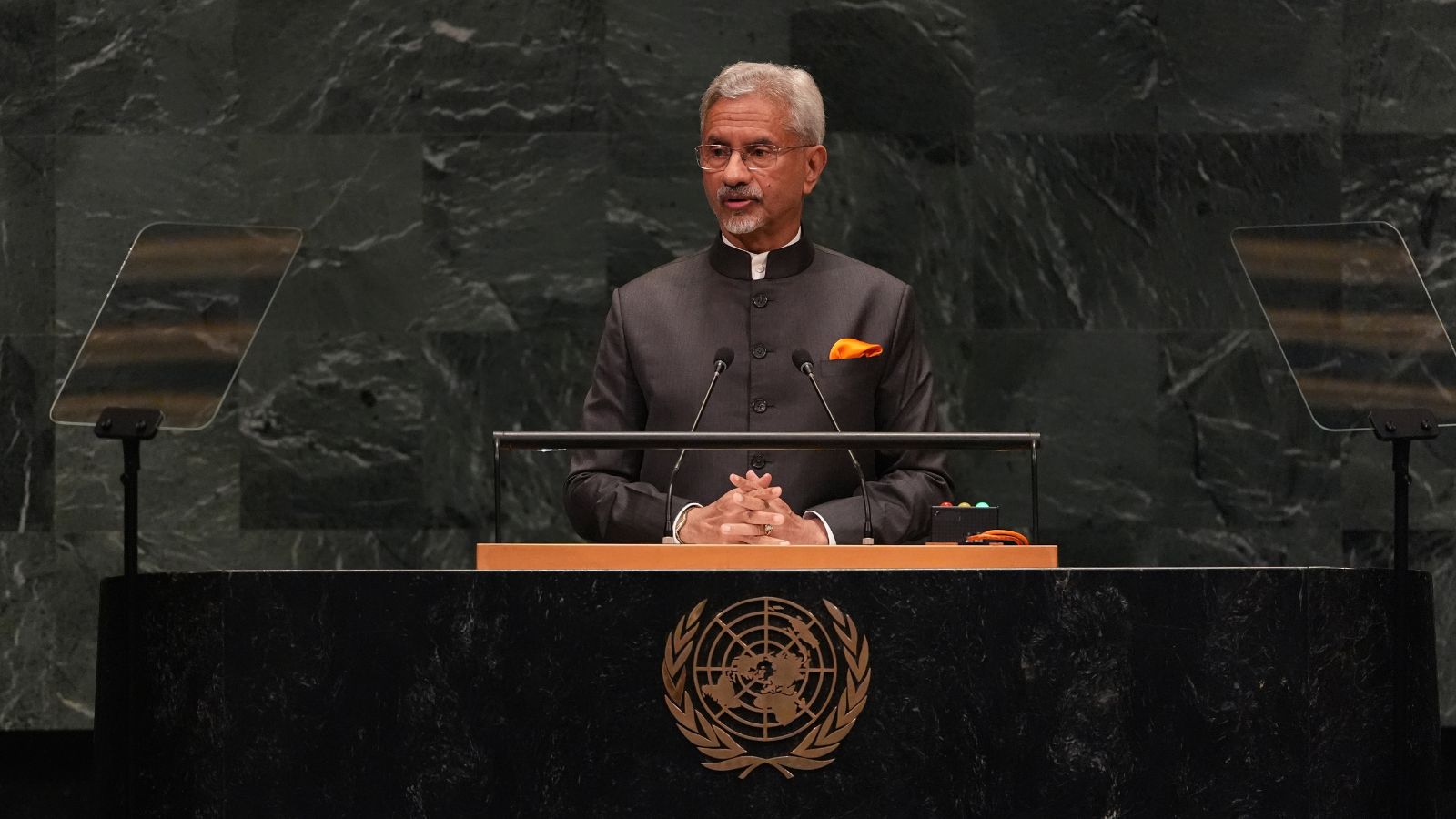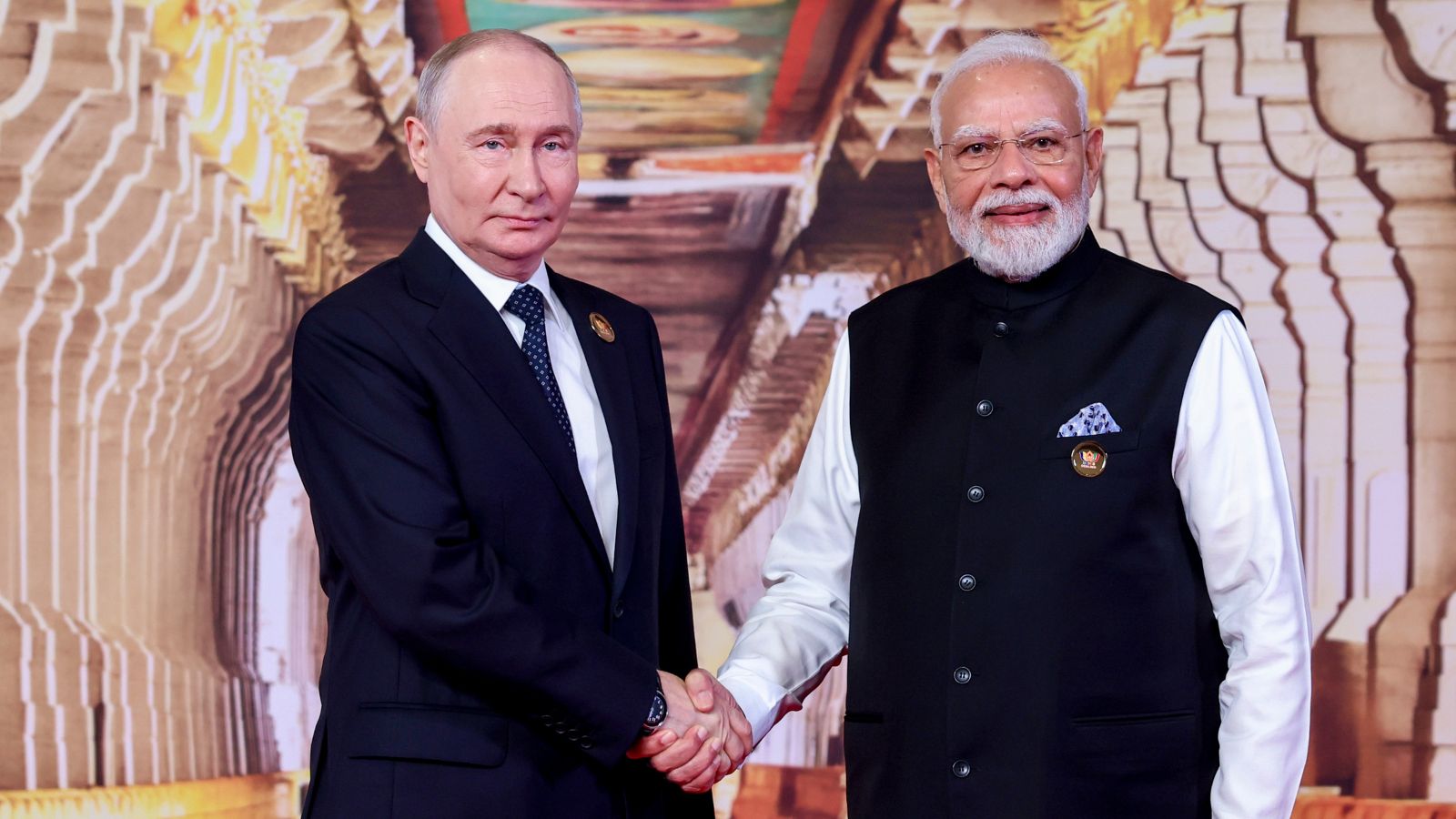
Every diplomatic correspondent in New York and Geneva is currently choking on the same sweet syrup. Russia endorsed India for a permanent seat at the United Nations Security Council. Moscow declared that New Delhi brings immense international weight and represents a crucial pole in a multipolar world. The pundit class responded with predictable applause, framing this as a massive geopolitical win for India and a sign of enduring friendship between two historical partners.
It is a diplomatic parlor trick. And New Delhi is smart enough to know it, even if the western commentariat isn't.
Moscow does not back India because Vladimir Putin suddenly decided to democratize the most dysfunctional committee room on the planet. Russia backs India because a permanent Indian veto inside a paralyzed Security Council is the fastest way to drive a permanent spike through western hegemony. By championing an expanded council that is structurally incapable of reaching consensus, Moscow gets what it has wanted for decades: institutional gridlock so total that western liberal interventionism becomes mathematically impossible.
Let us dismantle the lazy consensus.
The Architecture of Paralysis
The standard narrative treats a permanent Security Council seat as the ultimate status symbol, the geopolitical equivalent of a knighthood or a country club membership. If you have the seat, you have arrived at the high table of global governance.
This is amateur hour.
The United Nations Security Council is not a legislature. It is a suicide pact wrapped in parliamentary procedure. Its entire structural design is built around the veto power of the P5—the United States, China, Russia, the United Kingdom, and France. That veto is not an instrument of power; it is an instrument of paralysis. Every single permanent member uses it to protect their core interests and neutralize rivals.
When Russia throws its diplomatic weight behind India's bid, it is not offering an upgrade. It is offering a wedge. Add a sixth permanent member with a veto, especially one with complex, competing security dynamics with China and deep historical grievances with western lecturing, and you multiply the friction points exponentially.
Look at the mechanics. If India enters the inner sanctum with veto powers, every major international crisis—from European security architecture to South China Sea disputes—gains a new, fiercely independent actor capable of slamming the brakes. New Delhi has spent seventy years perfecting strategic autonomy. Do you genuinely believe India will march to a western drumbeat inside the chamber? Or a Russian one? Of course not. India will protect Indian interests, which frequently means frustrating both Washington and Moscow when convenience dictates.
Russia knows this. In fact, Moscow is counting on it. A Security Council with the US, China, Russia, India, the UK, France, and potentially Brazil or Germany is not a more representative global parliament. It is a demolition derby where nothing of consequence will ever pass again.
The Veto Trap No One Wants to Discuss
Let us look at the unspoken reality that career diplomats whisper about over warm gin at the Delegates Lounge.
Real power in the twenty-first century has migrated away from the glass palace on the East River. Economic corridors, bilateral defense pacts, semiconductor supply chains, and minilateral groupings like the Quad and BRICS dictate the actual distribution of global leverage. The UN General Assembly is a megaphone. The Security Council is a graveyard of resolutions.
Why would India want to chain itself to a corpse?
The moment India takes a permanent seat, the diplomatic trap springs shut. Suddenly, New Delhi is expected to take definitive, binding positions on every intractable crisis on the planet—from the Middle East to the Horn of Africa. Right now, India’s greatest diplomatic superpower is its ability to abstain, to pivot, to buy discounted Russian crude while simultaneously hosting joint naval exercises with the United States Navy, and to maintain trade relationships with nations that despise each other.
A permanent seat demands accountability. Accountability demands alignment. And alignment is the exact opposite of strategic autonomy.
The Western capitals understand this dynamic intimately, which is why their support for India's bid has always been drenched in strategic hypocrisy. Washington issues polite, boilerplate endorsements of Indian aspirations because opposing them alienates New Delhi. But behind closed doors in Foggy Bottom and Whitehall, Western negotiators work night and day to ensure the reform never actually happens. They love the idea of Indian representation in theory because it costs nothing and flatters New Delhi. They dread it in practice because it dilutes Western veto power and shatters the post-1945 transatlantic monopoly on global security management.
The China Factor
You cannot talk about this calculus without addressing the elephant in the Himalayas.
Beijing views Indian aspirations through a lens of absolute zero-sum competition. If India gets a permanent seat, Pakistan screams, and China uses its own veto or procedural stalling tactics to block the expansion indefinitely. Moscow knows this. By backing New Delhi while maintaining a quasi-alliance with Beijing, Russia performs a brilliant diplomatic balancing act. It flatters the Indians, keeping New Delhi firmly in the non-aligned camp and preventing India from drifting entirely into the American orbit, while knowing full well that Beijing will ensure the reform goes nowhere.
It costs Moscow nothing. It yields maximum diplomatic dividends.
Meanwhile, Western analysts hyperventilate about whether India can act as a democratic counterweight to Beijing inside the chamber. This assumes the chamber matters. It does not. Real deterrence happens in the Indian Ocean, through intelligence sharing, naval interoperability, and industrial defense supply chains.
Stop Chasing Institutional Nostalgia
The obsession with UN reform is a symptom of institutional nostalgia. It is the belief that the architecture built by exhausted diplomats in 1945 can somehow manage the hyper-fragmented, multipolar anarchy of the 2020s.
It cannot.
India’s rise is real. Its economic momentum, technological scaling, demographic weight, and hard military capabilities are undeniable. New Delhi does not need validation from a dysfunctional committee room in Manhattan to prove it is a global superpower. Chasing a permanent seat on a broken council is like fighting for a corner office in a burning building.
Let the diplomats play their games in New York. Let Moscow issue its cynical endorsements, and let Washington offer its hollow platitudes. India’s true power is being forged in the factories of Tamil Nadu, the tech parks of Bengaluru, and the deployment of indigenous naval frigates across the Indo-Pacific.
Stop asking for a seat at a rigged table when you have the power to build a better room.