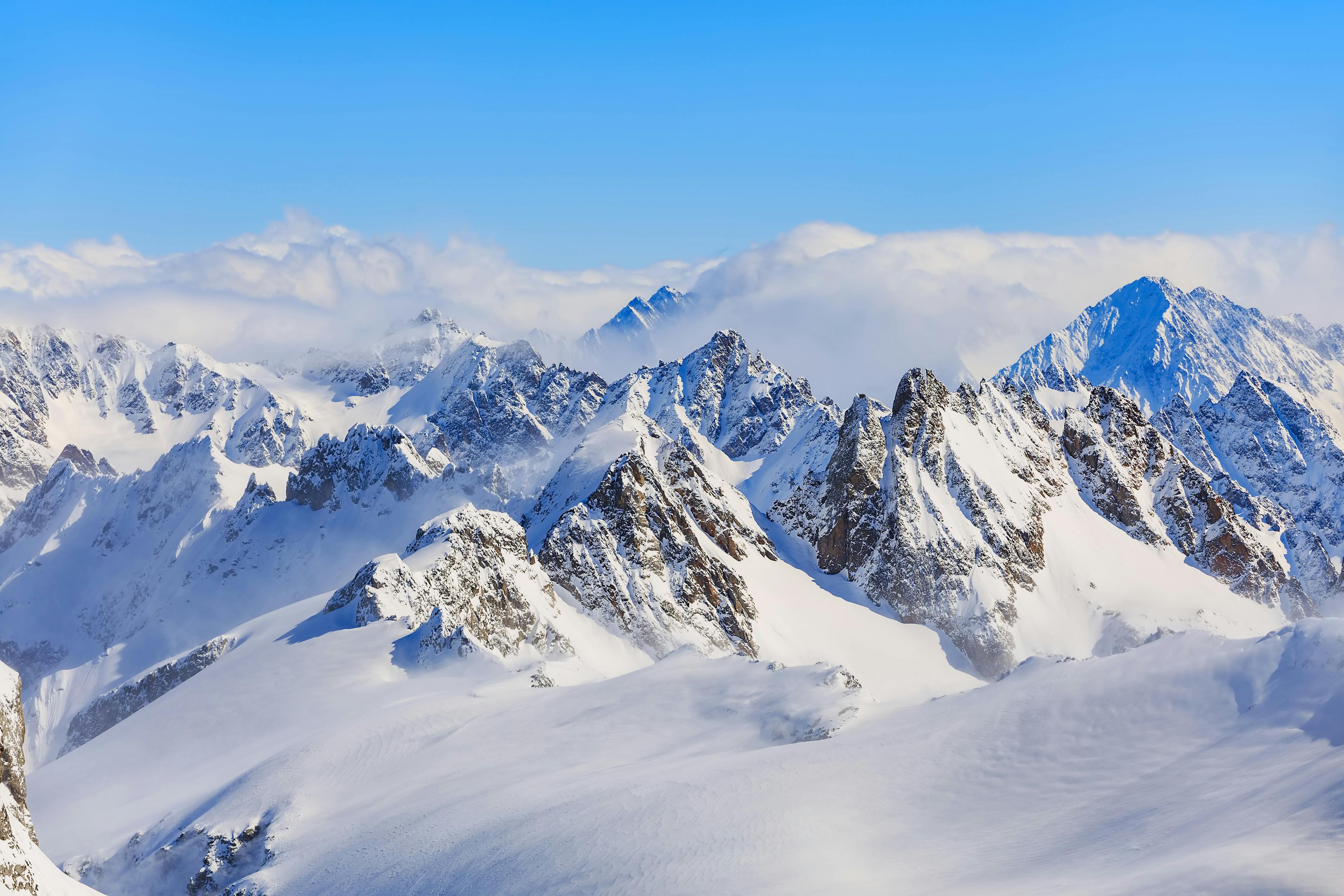
The rain in the high Andes does not fall; it arrives with intent. It slams against the steep, fractured slopes of the pre-cordillera, turning centuries of compacted granite, dust, and dry scrub into something liquid, heavy, and terrifyingly mobile.
Imagine waking up to a sound that does not belong to the city. Not the drone of morning traffic on Américo Vespucio, nor the distant clatter of the metro line, but a low, subterranean growl. A vibration that starts in the soles of your feet and climbs straight into your throat. That is the sound of a hillside letting go.
In Las Condes, an upscale eastern district of Santiago nestled right against the foothills, the boundary between urban comfort and untamed wilderness is razor-thin. You can sit on a manicured terrace, nursing a morning cortado while looking out at peaks that brush the clouds, feeling entirely removed from the raw fury of nature. Until the mountain decides to move.
Following relentless, unseasonal downpours that lashed the Santiago Metropolitan Region, municipal authorities officially declared Las Condes a disaster zone. The immediate catalyst was a massive mudslide—locally known as a aluvión—that tore down the ravines, swallowing roads, crushing infrastructure, and forcing emergency crews into a desperate race against time.
To understand what happened when the debris flow broke loose, we have to look past the bureaucratic language of emergency declarations. We have to look at the geology, the human cost, and the terrifying speed at which a landscape can transform.
The Anatomy of an Andean Debris Flow
Geologists call them debris flows. Residents simply call them walls of black water.
When heavy rain falls on slopes stripped of vegetation or baked dry by prolonged drought, the earth loses its structural anchor. Water mixes with loose soil, boulders, and fallen trees, creating a slurry that moves with the consistency of wet concrete and the velocity of an express train.
Las Condes is particularly vulnerable because of its geography. The district climbs sharply toward the cordillera, intersecting with historical water runoffs and ravines—known locally as quebradas. For decades, urban expansion has crept higher up these slopes. Beautiful homes, winding access roads, and sleek apartment complexes now share space with terrain that has always been governed by gravity and seasonal meltwater.
When the recent storm struck, the rain rate overwhelmed natural drainage channels. The soil liquefied.
Consider a hypothetical resident, let's call him Mateo, living in a hillside neighborhood near the foot of the mountains. Mateo is used to winter storms. He hears the rain drumming on his roof, checks his phone for weather alerts, and assumes it is just another wet Tuesday in Santiago. Then, the power cuts out. Ten minutes later, a neighbor's frantic pounding echoes on the front gate: the ravine behind the property line has turned into a churning river of mud and boulders.
There is no time to pack a bag. There is only the frantic scramble to higher ground, leaving behind a lifetime of memories to the mercy of the slide.
The Official Response and the Immediate Aftermath
Declarations like the one issued for Las Condes are administrative triggers. They cut through red tape, unlocking emergency funds, mobilizing the national disaster prevention agency, and allowing the deployment of military units and heavy machinery where they are needed most.
The immediate priorities are brutal in their simplicity:
- Rescue anyone trapped or isolated by blocked access routes.
- Restore compromised water and power grids.
- Clear tons of mud and rock from primary arteries before secondary storms can trigger new slides.
Mayor and municipal workers, alongside teams from Aguas Andinas and emergency services, worked through the night under the glare of floodlights. Excavators clawed at giant boulders that had tumbled onto residential streets, while crews checked gas lines and structural foundations of homes teetering on the edges of washed-out embankments.
Yet, clearing the mud is the easy part. The harder task is reckoning with the vulnerability of modern urban planning in an era of climate volatility.
The Climate Reality Check
We cannot treat these events as anomalies anymore. The central valley of Chile has endured a punishing, historic mega-drought for over a decade. When drought meets sudden, intense precipitation events—a hallmark of atmospheric river phenomena—the earth behaves like a concrete parking lot. It cannot absorb the shock.
The mountains are changing. As high-altitude glaciers retreat and freeze-thaw cycles shift due to rising global temperatures, the very stability of Andean slopes is compromised. Rock and soil that stayed put for centuries are now loose, waiting for the right trigger to slide downward toward the densely populated sprawl of Santiago.
This puts cities like Las Condes in a profound paradox. They represent the economic engine of modern Chile, hubs of innovation, finance, and cosmopolitan living. Yet they are built in the shadow of a colossal, living geological formation that does not care about property values, zoning laws, or municipal budgets.
Living on the Edge
Stand on a clear day at the edge of Parque Araucano or look up from San Carlos de Apoquindo, and the Andes look eternal. They offer a breathtaking backdrop, a daily reminder of the wild beauty that defines the Chilean identity.
That beauty demands respect.
The disaster declaration in Las Condes is more than a legal status for insurance claims or municipal aid. It is a warning shot. It forces us to acknowledge that our mastery over our environment is deeply conditional.
As the sun finally breaks through the grey Andean overcast, drying the mud on the blocked avenues and revealing the scarred flanks of the hills above, the residents of Las Condes sweep away the debris and begin again. But the mountain remains overhead, silent, watchful, and entirely unpredictable.
The next storm is already forming far out over the Pacific.


