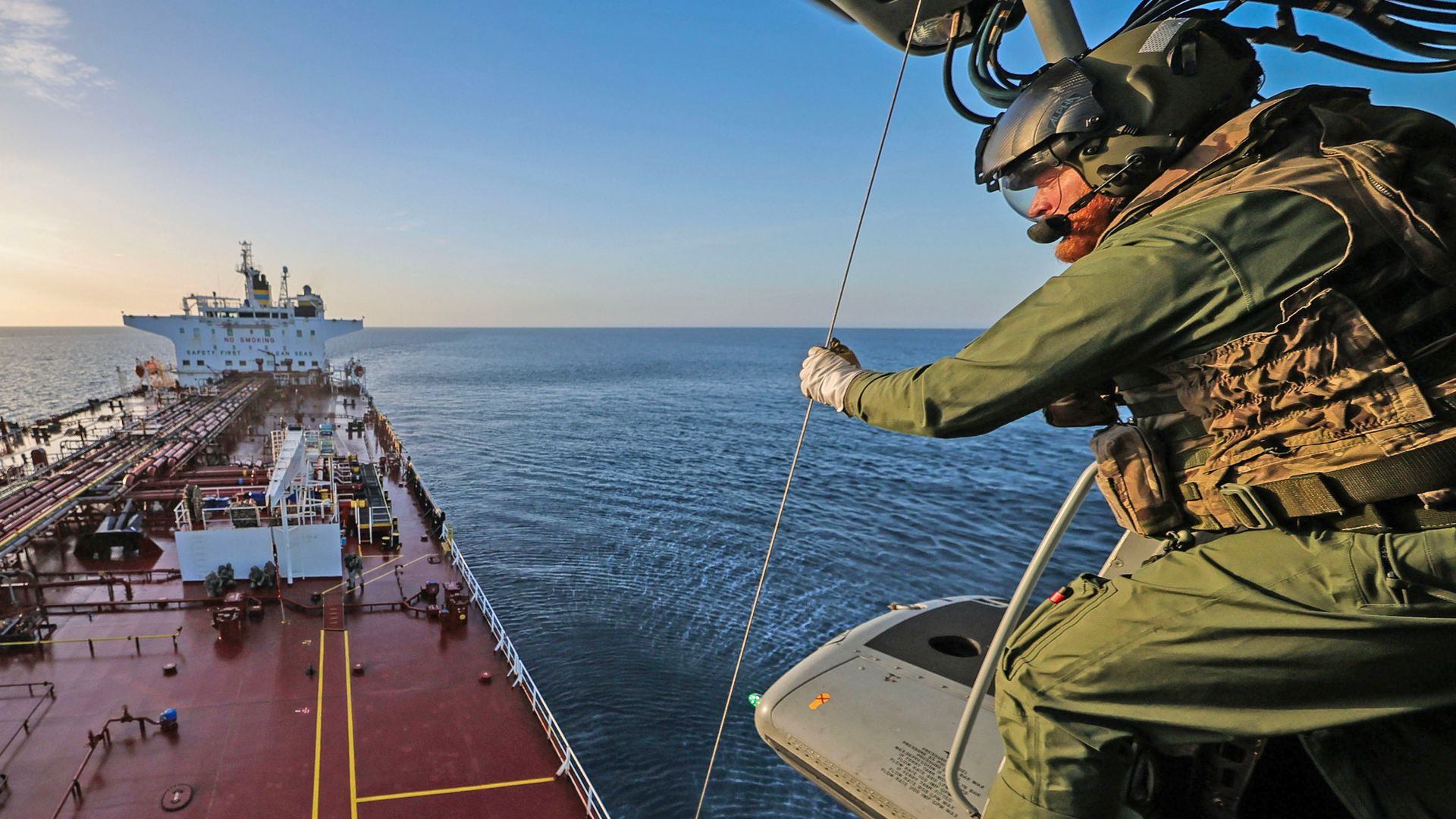
Defense ministries love shiny new objects. When procurement budgets shift, the immediate reflex of military leadership is to buy faster boats, flashier drones, and heavier gear for elite commandos. The recent adjustments to defense spending plans—promising high-speed watercraft and autonomous aerial systems for specialized units—replicate a tired playbook. It satisfies politicians who want to look tough. It satisfies defense contractors who want fat margins.
It does absolutely nothing to win the next major conflict. If you found value in this piece, you should read: this related article.
The defense establishment remains trapped in an obsession with tactical hardware. We are treating elite special forces like action movie heroes who just need cooler gadgets to win the day. The reality of modern peer conflict is brutal, mathematical, and deeply unglamorous. By doubling down on bespoke, low-volume tactical platforms for small units, military planners are burning capital that should be funding deep-theater denial, mass production of attritable munitions, and hardened logistics.
We are buying Ferrari engines for a demolition derby. For another angle on this event, see the latest update from CNET.
The Special Forces Obsession is a Tactical Distraction
For three decades, Western militaries operated in permissive environments. Counter-insurgency campaigns meant special operations forces were the primary tool. If you needed to clear a compound or interdict a vessel, you sent elite commandos backed by total air supremacy.
That era is over.
In a high-intensity conflict against a peer adversary in the Indo-Pacific or Eastern Europe, the idea of inserting small teams of commandos in high-speed boats into contested waters is highly questionable. Modern multi-layered anti-access/area-denial (A2/AD) bubbles mean those sleek, multi-million-dollar boats become highly visible targets long before they reach their destination.
Let’s dismantle the premise of these procurement shifts.
The defense plan assumes that upgrading the tactical mobility of elite units alters the strategic balance. It doesn't. When an adversary possesses thousands of long-range anti-ship ballistic missiles and comprehensive satellite surveillance, a boat moving at 50 knots is just as dead as a boat moving at 30 knots.
I have watched defense committees review procurement pipelines where hundreds of millions are funneled into specialized small-unit assets while the basic ammunition stockpiles—artillery shells, long-range anti-ship missiles, and basic air defense interceptors—languish with single-digit weeks of supply. We are prioritizing the tip of the spear while the shaft is made of rotting wood.
The Drone Fallacy: Custom Exclusivity vs. Mass Attrition
The second pillar of the defense spending tweak involves specialized drones for these elite units. This highlights a fundamental misunderstanding of autonomous warfare.
The defense industry wants to build exquisite, highly customized drone systems. They want to sell platforms that cost $500,000 per unit, packed with proprietary sensors and encrypted comms that require specialized training pipelines. They pitch these as essential tools for the elite operator.
This is exactly backward. The war in Ukraine demonstrated that the value of unmanned systems lies in mass, adaptation, and disposable scale.
Imagine a scenario where a specialized commando unit deploys with five highly sophisticated, ultra-expensive reconnaissance drones. If the enemy deploys widespread electronic warfare and jams the control frequencies, those five drones are useless or lost. The unit's capability drops to zero.
Now look at the alternative: thousands of cheap, commercially derived first-person view (FPV) drones modified with basic software alterations to hop frequencies. If you lose ninety out of a hundred, you are still winning the economic exchange.
+------------------------------------+------------------------------------+
| Exquisite Procurement Model        | Attritable Mass Model              |
+------------------------------------+------------------------------------+
| High unit cost ($500k+)            | Low unit cost ($500 - $5,000)      |
| Low production volume              | Industrial-scale production        |
| Proprietary, rigid architecture    | Open-source, rapidly adaptable     |
| Vulnerable to systemic EW failure  | Redundant through sheer numbers    |
+------------------------------------+------------------------------------+
By tying drone procurement to elite unit spending, governments ensure these systems remain small-scale and overly complex. We do not need boutique drones for special operations. We need thousands of cheap, standardized, software-defined autonomous systems distributed across every regular infantry squad and naval vessel.
The Real Cost of Golden Hour Logistics
The defense spending plan assumes that elite commandos can operate independently if they just have faster transit platforms. This ignores the reality of combat logistics.
Every time a military invests in a specialized platform for an elite unit, it creates a unique logistics tail. High-speed custom boats require specific parts, specialized mechanics, and dedicated fuel configurations. In a distributed maritime conflict, maintaining this bespoke supply chain across thousands of miles of ocean is a nightmare.
If a regular naval asset or a standard transport vessel cannot service a platform, that platform is a liability. During logistical stress tests in major joint exercises, these boutique systems frequently end up sidelined because a single proprietary seal or specialized battery couldn't be flown into a remote island base.
True strategic readiness means radical standardization. It means reducing the number of unique parts in the supply chain, not expanding them to satisfy the wish list of special operations commanders.
The Hard Truth About Peer Conflict
The public often asks: Why shouldn't we give our most elite soldiers the absolute best equipment available?
The answer is brutal: because the "best" equipment for a small unit is often the worst investment for the military as a whole. A nation's defense budget is finite. Every dollar spent on a niche high-speed watercraft for an elite unit is a dollar stolen from factory tooling to produce long-range strike weapons or harden regional fuel depots.
An adversary studying Western defense procurement does not fear our special forces boats. They fear our industrial capacity. They fear our ability to sustain prolonged, high-rate manufacturing of basic, lethal ordnance. They want us to spend our money on low-volume, high-visibility assets that can be neutralized by a single sea mine or a cheap anti-ship missile.
We must stop treating defense procurement as a shopping spree for elite units. The focus must shift away from tactical speedboats and boutique drones.
Cancel the specialized watercraft contracts. Halt the procurement of small-batch elite drones. Divert every cent of that funding into expanding the production lines of long-range anti-ship missiles, investing in large-scale autonomous underwater vehicles (AUVs), and building deep stockpiles of standard munitions.
Stop funding the fantasy of small-unit dominance and start building the boring, massive industrial infrastructure required to actually deter a peer adversary.