Two people dead and four seriously hurt after a truck collides with pedestrians and vehicles isn't just a tragic headline. Honestly, it's a textbook example of how mass, momentum, and shared road space collide when things go wrong in seconds.
When a heavy truck plows into both passenger cars and people on foot, the aftermath looks chaotic from the outside. Yet the physics behind it is brutally straightforward. A loaded commercial truck carries massive kinetic energy, and once a driver loses control, swerves around a stopped car, or misjudges a crosswalk, pedestrians have almost zero buffer between them and several tons of steel.
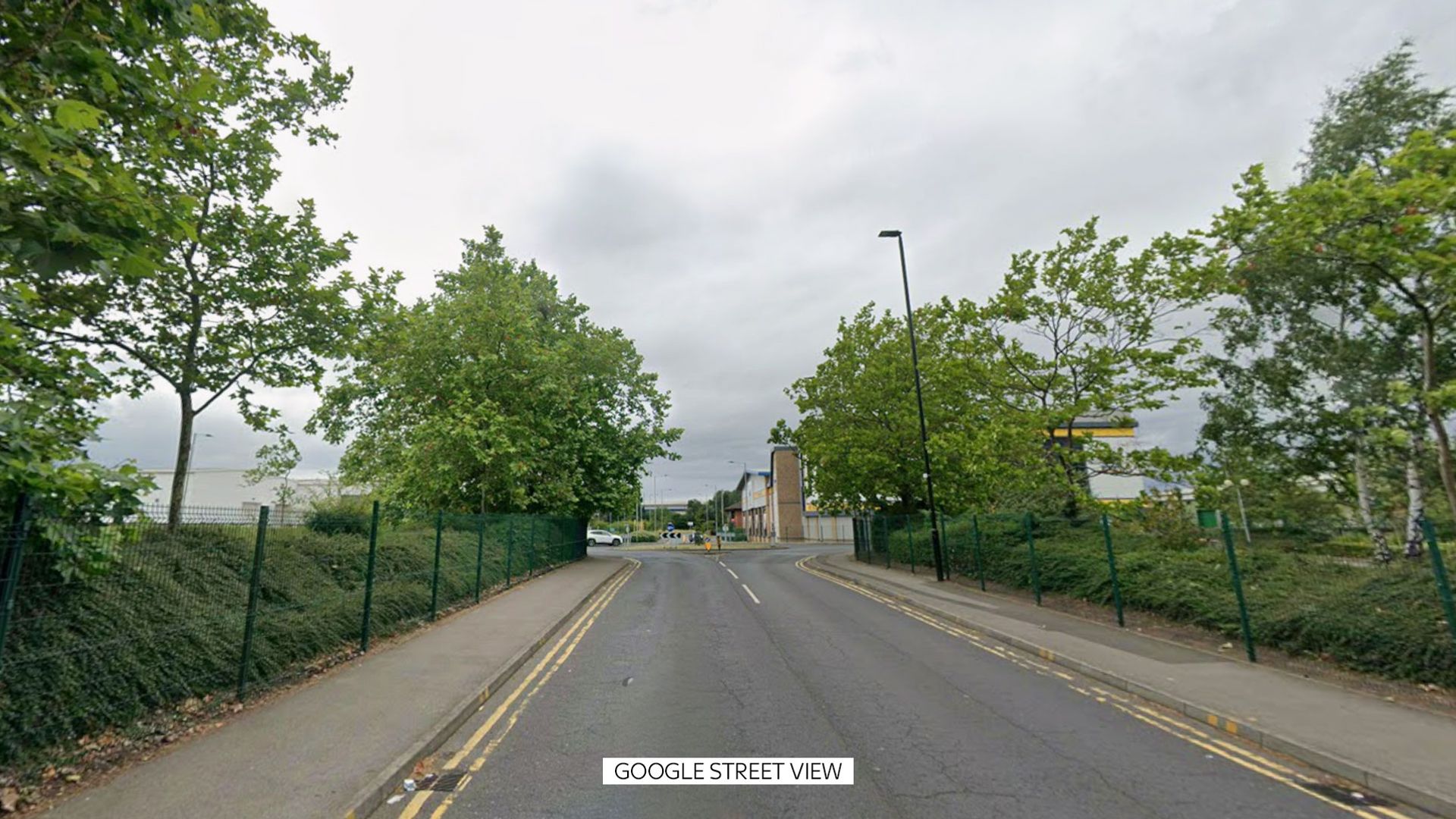
Look at real-world reports from around the world—whether a pickup truck tears through vehicles and pedestrians on a busy road in Doncaster, a trailer truck slams into multiple vehicles and catches fire, or a speeding truck strikes people near a busy street—the pattern repeats. Multi-party collisions turn a single error into a chain reaction where people inside smaller cars and people outside on sidewalks or crossings bear the worst of the force.
Why Truck Collisions With Pedestrians Turn Fatal So Fast
A passenger car and a heavy truck don't play by the same rules of physics. A fully loaded tractor-trailer can weigh up to 80,000 pounds, which is roughly 20 times the weight of a typical passenger car. Even lighter commercial trucks and pickups hit harder and sit higher than standard sedans, meaning impact points line up with a pedestrian's torso or head instead of bumper height.
Stopping distance is the part most drivers and walkers underestimate. According to guidance summarized from the Federal Motor Carrier Administration and braking rules under NHTSA FMVSS No. 121, heavy trucks need dramatically more room to halt than cars, especially at highway speeds or when roads are wet, slick, or crowded. If a driver spots a hazard late, tires are worn, or the truck is carrying a heavy load, the vehicle doesn't just stop a few feet further—it carries lethal speed straight through the braking zone.
Data from the FMCSA Large Truck and Bus Crash Facts shows that the vast majority of people killed in large-truck crashes aren't sitting inside the truck cab. They're in other vehicles or outside on the road. Similarly, research from the Bureau of Infrastructure, Transport and Regional Economics (BITRE) highlights how heavy trucks account for a small fraction of registered vehicles yet appear in a disproportionately high share of fatal crashes, with vulnerable road users—pedestrians, cyclists, and motorcyclists—making up a major portion of those deaths.
The Chain Reaction When Cars and Walkers Mix
Single-vehicle crashes are bad enough. Multi-vehicle and pedestrian crashes get messy because evasive maneuvers create secondary hazards.
Picture an illustrative example on a busy urban arterial road. A truck approaches a queue of slowing cars. Maybe the driver is distracted, tired, or reacting too late to a sudden brake check. Instead of hitting the line dead-on, the driver wrenches the wheel toward the curb or shoulder to avoid rear-ending the car ahead. That swerve clips one vehicle, deflects into a second, and mounts the sidewalk or crosswalk where four pedestrians are walking. Two die at the scene or shortly after, and four others suffer severe trauma.
That kind of scenario isn't far-fetched. Crash analysis from NHTSA and FMCSA notes that large trucks frequently encounter precrash events involving other vehicles or people in or near their path, while another share involves loss of control or movement errors by the truck itself. Once a heavy vehicle leaves its lane or loses traction, nearby cars act like pinballs and pedestrians have nowhere left to step.
What People Get Wrong About These Crashes
After a high-casualty crash makes the news, folks tend to jump straight to two oversimplified ideas. Both miss half the picture.
First, people assume truck drivers are always the sole villain—or conversely, that trucks are totally helpless victims of bad car drivers. In reality, blame isn't one-size-fits-all. Some crashes stem from reckless speeding, fatigue, impaired driving, poor brake maintenance, or ignoring sightlines. Other times, a passenger car cuts sharply across a truck's path, brakes abruptly in a blind spot, or forces a sudden swerve that no heavy vehicle can make cleanly. Pretending every crash is purely one side's fault doesn't make streets safer; it just fuels arguments.
Second, people think a lower speed limit by itself fixes the problem. Lowering speed helps, sure, because kinetic energy scales with the square of velocity. Still, posted limits don't stop a truck if road geometry forces tight turns right next to foot traffic, if delivery schedules push drivers hard, or if intersections lack physical separation between heavy freight and people on foot.
There's also a data gap worth being honest about. Early news reports right after a crash almost always contain rough numbers—preliminary counts of the dead and injured, initial police suspicions, or unverified witness accounts. Official crash investigations, toxicology reports, black-box or tachograph downloads, and mechanical inspections take weeks or months. Treating breaking-news numbers as final facts is a mistake I see readers make all the time.
Blind Spots, Road Design, and Real-World Risk
Having spent years analyzing how road layouts fail vulnerable users in real life, I can tell you a lot of dangerous intersections look "normal" on paper. A wide multi-lane road with a narrow sidewalk, a bus stop right next to fast-moving truck traffic, or a poorly lit crossing invites trouble.
Trucks have massive blind spots—often called "no-zones"—directly in front of the cab, along the passenger side, and behind the rear bumper. A pedestrian standing near a corner or stepping out from between parked cars can be completely invisible to someone sitting high up in a cab, especially at dawn, dusk, or in heavy rain. Add high-pressure delivery windows or tight urban streets, and the margin for error shrinks to almost nothing.
What actually works better than wishful thinking? Physical separation and smarter street design. Raised medians, protected pedestrian refuges, clear sightlines at corners, well-timed signal phases, and enforced speed management do far more heavy lifting than signs alone. On the vehicle side, automatic emergency braking, blind-spot cameras, and strict fleet maintenance keep small mistakes from turning into mass-casualty events.
Practical Steps You Can Take Right Now
Whether you're driving near heavy trucks, walking in busy traffic, or following a breaking incident closely, a few habits genuinely lower your risk:
- Give heavy trucks wide berth on the road. Don't cut in front of a truck and immediately hit the brakes, and avoid lingering alongside its blind spots—especially on the right side where turning radiuses are wide.
- Stay visible and alert near freight routes. When walking or cycling near intersections with trucks, make eye contact or wait until a turning truck has clearly committed and cleared your path rather than assuming the driver sees you.
- Read breaking crash reports with healthy skepticism. Treat initial death and injury tallies as preliminary, look for follow-up updates from police or transport investigators, and avoid jumping to conclusions before facts are verified.
- Push for safer local crossings. If a road near your home, school, or workplace mixes heavy trucks with foot traffic without protected crossings or sensible speeds, raise the specific intersection with local traffic engineers or municipal officials.