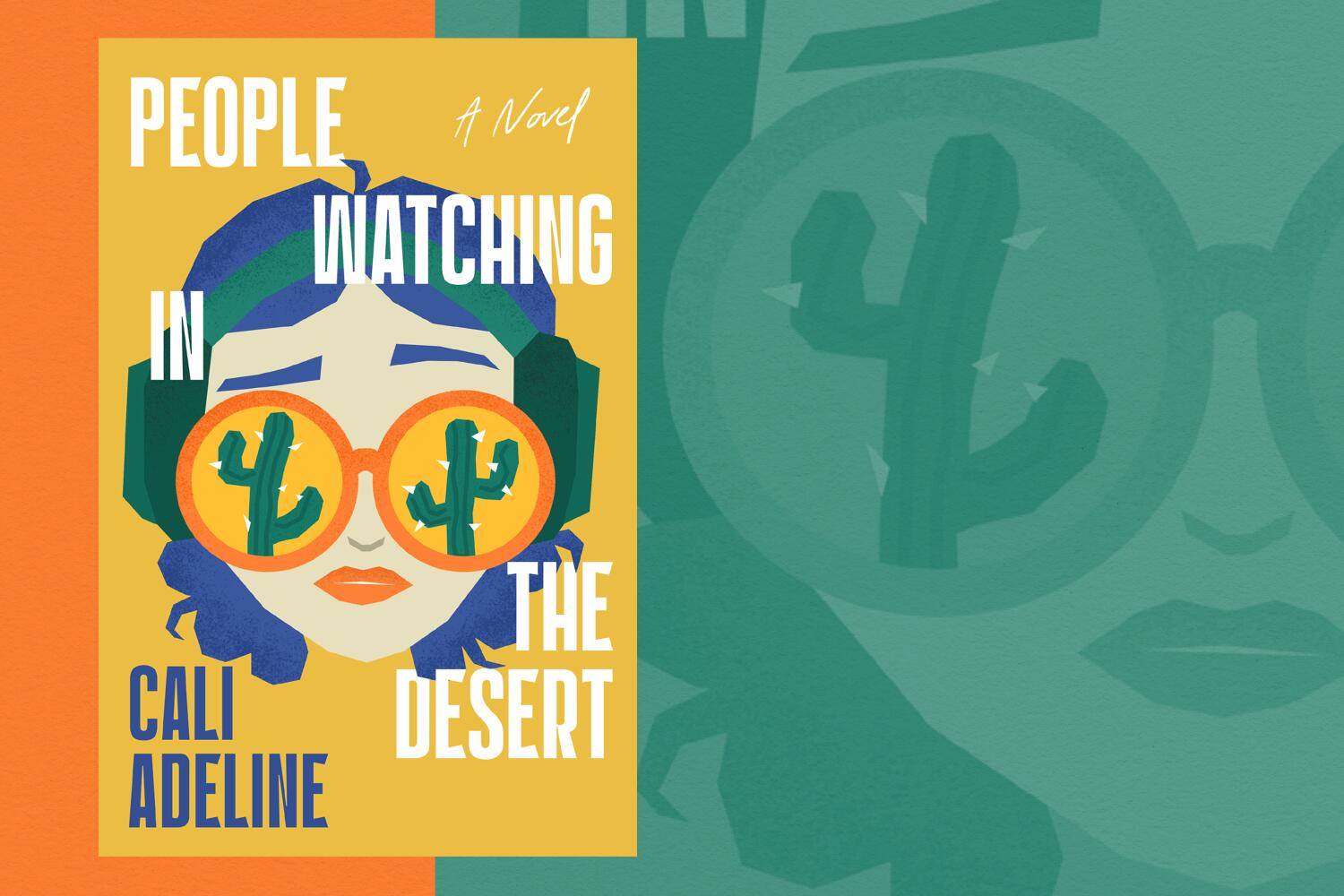
Publishing insiders love to spin a good yarn about the "accidental" literary phenomenon. You’ve read the breathless profiles: a deceptively simple, slightly unhinged paperback quietly slips into the market, captures the collective imagination of a few discerning critics, and through sheer, organic word-of-mouth, transforms into a permanent fixture on every beach towel from Montauk to Malibu. They call it a budding cult favorite.
They are lying to you.
The narrative that a book can organically achieve "cult status" while wearing the skin of a breezy summer thriller is a comforting fiction designed to make consumers feel like tastemakers. I have spent fifteen years watching marketing departments inject millions of dollars into the veins of mediocre manuscripts, manipulating algorithms, buying up initial print runs, and seeding advanced reader copies to thousands of micro-influencers under the guise of "organic discovery."
The "deceptive beach read" isn't a subversion of the genre. It is a highly calculated, risk-averse corporate product engineered to exploit a specific psychological blind spot in modern readers: the desperate desire to feel intellectually superior while consuming literary junk food.
The Illusion of Subversion
The core argument driving the hype behind these supposedly subversive summer novels is that they trick the reader. Critics claim these books start as predictable thrillers before mutating into profound psychological studies or scathing critiques of wealth and privilege.
This is a fundamental misunderstanding of how narrative architecture actually works.
True subversion requires structural risk. It requires an author to burn down the house they built, risking the alienation of their audience to deliver a deeper truth. What we are seeing in today’s market isn't subversion; it’s a bait-and-switch formula.
- Phase 1: Establish a hyper-relatable, slightly cynical protagonist in an aspirational setting (a coastal estate, a luxury resort).
- Phase 2: Introduce a mechanical, paint-by-numbers mystery to keep the pages turning.
- Phase 3: Drop a preachy, socially conscious monologue in the final thirty pages to retroactively justify the previous 300 pages of shallow melodrama.
Gillian Flynn’s Gone Girl worked because it fundamentally broke the contract with the reader, altering how perspective functioned in the modern thriller. The endless stream of imitators filling today's beach bags aren't breaking contracts; they are fulfilling them to the letter. They offer the cheap thrill of a twist while offering a thin veneer of social commentary so the reader can talk about it at a dinner party without feeling embarrassed. It’s comforting masquerading as challenging.
The Mathematics of the Manufactured Cult Favorite
Let's look at the data behind how a book actually climbs the bestseller lists today. The publishing industry relies on a heavily consolidated supply chain and a handful of kingmakers to dictate taste.
Imagine a scenario where a mid-list author writes a competent, slightly edgy thriller. In the old days, its success depended on independent booksellers championing the text over six to twelve months. Today, the lifespan of a book is determined three months before it even hits shelves.
[Publisher Pre-Buys & B2B Marketing]
       │
       ▼
[Curated Placement on Retailing Platforms]
       │
       ▼
[Aggressive Targeted Social Spend]
       │
       ▼
[Manufactured Scarcity / "Sold Out" Narratives]
Publishers pay premium fees for prominent placement on digital storefronts and physical endcaps. They secure selection in massive celebrity book clubs, which are less about literary merit and more about massive cross-promotional brand ecosystems. When every algorithmic touchpoint in a reader’s life—from their social feeds to their email newsletters—is screaming that a book is a "word-of-mouth sensation," the word-of-mouth ceases to be organic. It is an echo chamber built by design.
By the time the book lands in a reader's hands, the psychological framing is complete. The reader has been told they are about to read a masterpiece of hidden depths. Confirmation bias handles the rest.
Why True Cult Favorites Are Extinct in Big Publishing
To understand why the "deceptive beach read" is a corporate mirage, we have to define what a cult favorite actually is. Historically, cult status requires two elements: initial mainstream rejection or indifference, and intense, long-term devotion from a hyper-specific subculture. Think of Shirley Jackson’s early reception, or the slow, decades-long burning appreciation for Joy Williams.
Big publishing cannot afford the luxury of a slow burn. The industry operates on the theatrical release model: if a book doesn't hit its numbers in the first two weeks, the marketing budget is stripped, the algorithm stops favoring it, and it is quietly left to die.
When a major imprint labels a book a "poised cult favorite" before it even launches, they are using the term as a preventative shield against criticism. If the book sells poorly, they can claim it was "too avant-garde for the masses." If it sells well, they look like geniuses who predicted a cultural shift. It is a win-win branding exercise that cheapens actual literary experimentation.
Dismantling the "People Also Ask" Consensus
The cultural conversation surrounding summer fiction is littered with flawed premises. Let's dismantle the two most prominent defense mechanisms used by defenders of the manufactured beach read.
"Can't a book just be fun and smart at the same time?"
Of course it can. But the current crop of hyped novels aren't doing both; they are using "smart" as a marketing gimmick to sell mediocre execution. A narrative that pauses its plot to deliver a surface-level lecture on class dynamics isn't smart—it’s lazy. It treats the reader like a child who needs the moral of the story spelled out in block letters because the author lacked the skill to weave that meaning into the literal fabric of the plot.
"Doesn't algorithmic promotion just connect books with the readers who will love them?"
No. It connects readers with the books that have the highest profit margins and the lowest common denominator of mass appeal. The algorithm optimizes for retention and low friction, not intellectual provocation. It feeds you more of what you already like, flattening your taste over time until you can no longer distinguish between a genuinely singular literary voice and a highly polished corporate product designed to look like one.
The Cost of Settling for Safe Deception
There is a distinct downside to rejecting the mainstream hype machine. If you stop buying the engineered hits, your reading options require actual effort to find. You have to spend time digging through small presses, reading independent journals, and accepting the risk that you might buy a book you absolutely hate.
But the alternative is worse. By accepting the corporate definition of a "subversive cult favorite," we incentivize publishers to keep churning out safe, homogenized fiction wrapped in edgy packaging. We settle for books that pretend to challenge us while reinforcing exactly what we already believe, consumed during vacations meant to turn our brains off completely.
Stop letting marketing departments dictate your cultural diet. If a book is being pushed down your throat by every influencer, celebrity book club, and digital algorithm simultaneously, it isn't an underground cult favorite waiting to be discovered.
It’s just a product on a conveyor belt. Turn it over, look at the price tag, and stop pretending it’s anything else.