Fear sells better than physics. When headlines scream about the death of a civilization or the ticking clock of an Iranian nuclear deadline, they aren't reporting on geopolitics. They are participating in a theater of the absurd designed to spike crude prices and keep defense contractors in high-end scotch. The mainstream consensus suggests we are one "defiant" press release away from a regional apocalypse.
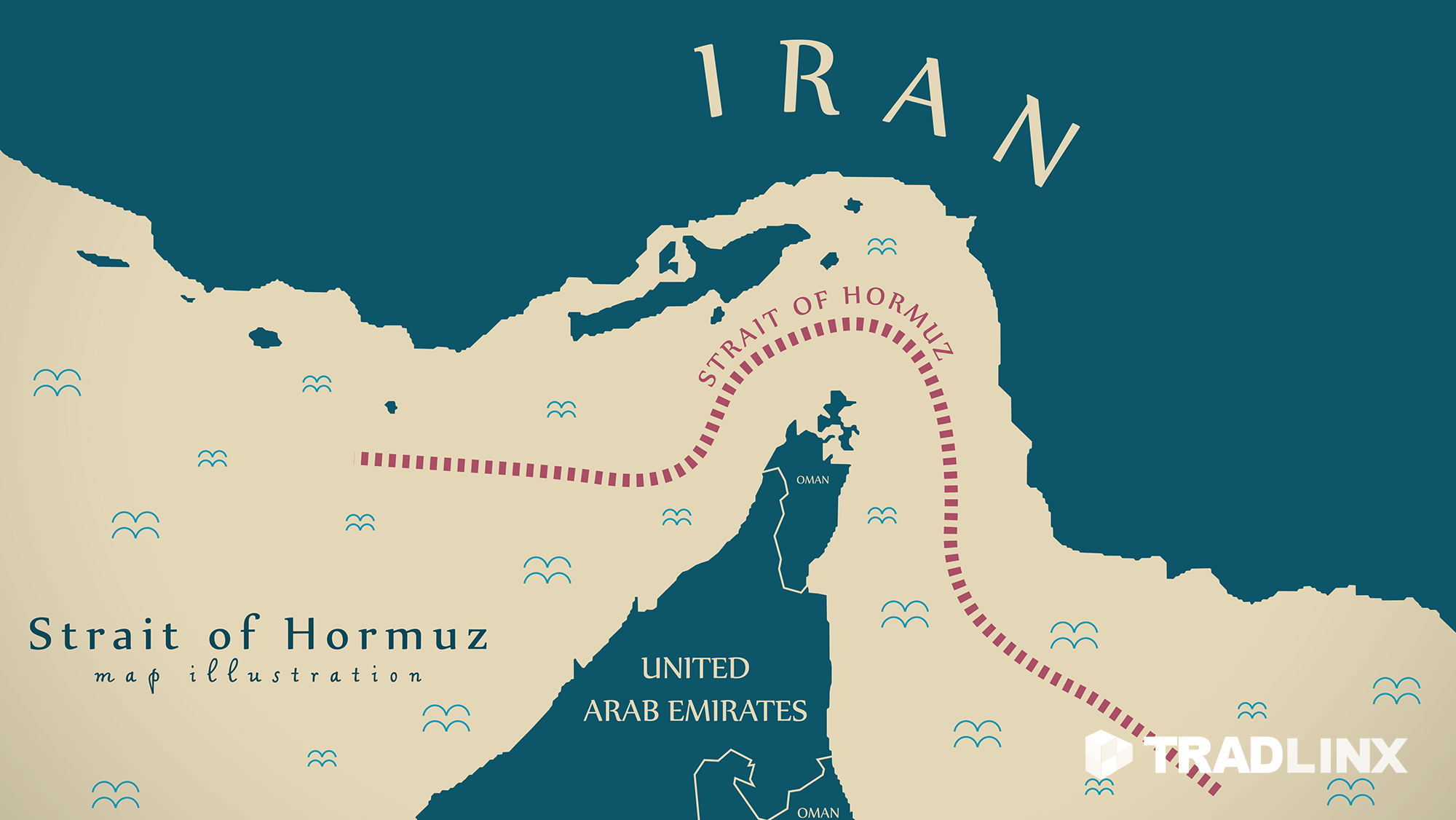
They are wrong. You might also find this related article insightful: Strait of Hormuz Escort Protocols and the Friction of Maritime Deterrence.
The media loves the "Madman Theory" when applied to Donald Trump or the Iranian Ayatollahs because it simplifies a complex, multi-layered chess match into a high-stakes wrestling promo. In reality, what we are witnessing is not the prelude to World War III, but a brutal, high-frequency trade in geopolitical leverage. The "civilization will die" rhetoric isn't a threat; it’s a price discovery mechanism.
The Deadline Fallacy
The most exhausting part of the current news cycle is the fetishization of deadlines. International diplomacy does not work like a 24-hour fire sale. In three decades of watching these cycles, I have seen "red lines" moved so many times they’ve turned into a pink floor. As reported in recent coverage by Reuters, the implications are notable.
Iran "defying" a deadline is not an act of suicide. It is a calculated stress test of Western resolve. When the competitor press reports these deadlines as terminal, they ignore the fundamental rule of power: Nothing is final until the first missile impacts a hardened silo. The Iranian regime is many things, but it is not suicidal. A "dead civilization" serves no one, least of all the people currently profiting from their grip on the Iranian plateau. They aren't looking for a nuclear exchange; they are looking for a seat at the table where the sanctions are lifted.
The Energy Arbitrage of Escalation
Follow the money, not the microphones. Every time a "deadline" is missed and a "threat" is issued, the volatility index in the energy markets twitches. Traders in London and Singapore don't read these headlines and think about the end of the world; they think about the price of a barrel of Brent.
Trump’s hyperbole is a tool of economic warfare. By keeping the threat of total destruction on the table, he effectively forces the global market to price in a "war premium." This puts immense pressure on Iranian oil buyers—mostly China—to reconsider their supply chains.
If you think this is about "saving the world," you’re the mark. This is about devaluing a competitor's primary export by making it too risky to touch. We aren't watching a clash of civilizations. We are watching a hostile takeover bid played out with carrier strike groups instead of spreadsheets.
Why Sanctions Are the Real Weapon (And Why They Fail)
The "lazy consensus" says sanctions "cripple" Iran. I have sat in rooms with trade analysts who have watched the "grey market" in the Persian Gulf operate for years. Sanctions don't stop trade; they just make it more expensive and move it underground.
- The Middleman Tax: Sanctions create a massive opportunity for shadow networks in the UAE, Turkey, and Iraq to skim 20% off every transaction.
- The Hardline Enrichment: By cutting off the Iranian middle class from the global economy, you don't spark a revolution. You consolidate power in the hands of the IRGC (Islamic Revolutionary Guard Corps), who control the smuggling routes.
- The China Pivot: Every time the U.S. leans harder on the "deadline" rhetoric, Iran moves an inch closer to Beijing’s orbit.
The irony? The very "deadlines" meant to force Iran to the table actually provide them with the domestic justification to build a "Resistance Economy."
The Nuclear Narrative is a Distraction
Everyone is obsessed with the centrifuge count. It’s the wrong metric.
Even if Iran reached "breakout capacity" tomorrow, the distance between having enough highly enriched uranium (HEU) and having a deliverable, miniaturized warhead that can survive atmospheric re-entry is measured in years, not hours.
The threat isn't the bomb. The threat is the uncertainty of the bomb.
Iran knows that actually having a weapon makes them a target for a preemptive strike. Almost having a weapon makes them a power player. This is the "Goldilocks Zone" of proliferation. They want to stay right in that sweet spot where they are too dangerous to ignore but not dangerous enough to justify a total invasion.
Trump’s rhetoric about "dying civilizations" is designed to shatter that Goldilocks Zone. He is trying to force them out of the gray area and into a binary choice: total capitulation or total conflict. It’s a high-stakes gamble that ignores the fact that Iran has been playing the "long game" since 1979.
The Cost of the "Strongman" Aesthetic
Let’s be brutally honest about the downsides of this contrarian take. The risk of this "rhetorical escalation" is not necessarily a planned war, but a kinetic accident.
When you have two sides screaming about the end of days, a nervous radar operator on a destroyer or a trigger-happy drone pilot can start a sequence that neither leader can stop. This is the "Sunk Cost" of the strongman persona. Once you promise "fire and fury" or "the death of a civilization," backing down looks like weakness to your domestic base.
- Trump’s Base: Expects the "dealmaker" to win through intimidation.
- The Iranian Hardliners: Expect the "martyrs" to stand firm against the "Great Satan."
Both sides have boxed themselves into a corner where the only way to save face is to keep the tension at a boiling point. It’s a stable instability.
Stop Asking "When Will They Attack?"
The premise of the question is flawed. "People Also Ask" when the war will start. They are asking the wrong thing. The war is already happening. It’s just not the war you see in the movies.
It is a war of:
- Cyber-attrition: Probing power grids and banking systems.
- Proxy bleeding: Using militias in Yemen, Lebanon, and Iraq to drain the opponent's treasury.
- Currency debasement: Forcing the Rial into the dirt while the U.S. weaponizes the Dollar.
If you are waiting for a declaration of war on the evening news, you’ve already missed the first three chapters of the conflict. This isn't about "tonight." It's about the next twenty years of regional hegemony.
The Sophomoric View of Diplomacy
The competitor article treats the situation like a ticking time bomb movie. That is a sophomoric view of history. History doesn't move in 24-hour cycles. It moves in decades-long arcs of influence and demographic shifts.
Iran’s population is young, tech-savvy, and increasingly secular. The regime is an aging autocracy fighting a losing battle against time. The smartest move for the West isn't to threaten to end a civilization; it’s to let that civilization evolve out of its current leadership.
By hyper-focusing on deadlines and "death," we provide the regime with the external enemy they need to keep their restive population in line. Trump’s threats are the greatest gift the Iranian hardliners ever received. It’s the ultimate irony: the man who wants to destroy the "Deep State" at home is inadvertently strengthening the "Deep State" in Tehran.
The Strategic Reality
Forget the "deadlines." Ignore the "defiance."
Watch the shipping lanes. Watch the insurance premiums for tankers in the Persian Gulf. Watch the gold reserves in the Iranian central bank.
We aren't on the verge of a "dying civilization." We are in the middle of a messy, violent, and highly profitable realignment of the Middle East. The status quo isn't being disrupted by the rhetoric; the rhetoric is the status quo.
The "deadline" will pass. New demands will be made. The civilization will still be there tomorrow morning. The only thing that will have died is the credibility of the "breaking news" cycle that insisted otherwise.
Stop falling for the theater. The actors are reading from a script written in oil and blood, and as long as you keep watching, the play will never end.