Dawn in the Persian Gulf does not break softly. It arrives like a blow from a heavy hand, burning the salt haze off the water until the horizon blurs into the sky. Down in the engine room of a stranded supertanker, anchored just outside the shipping lanes, the air tastes of stale sweat and hot diesel. The crew has not seen a fresh port in weeks. They check the radar screens, watching the narrow thread of blue water that feeds the global economy, and they wait.
That narrow thread is the Strait of Hormuz.
For months, this twenty-mile-wide stretch of water has sat at the center of an invisible vise. When the conflict escalated, the vital artery choked. Global markets convulsed, oil prices swung like a pendulum, and the physical flow of energy that keeps power plants humming from Tokyo to Rotterdam slowed to a nervous trickle. Everyone feels the pinch at the petrol pump, but few see the human cost of the standoff playing out on the water.
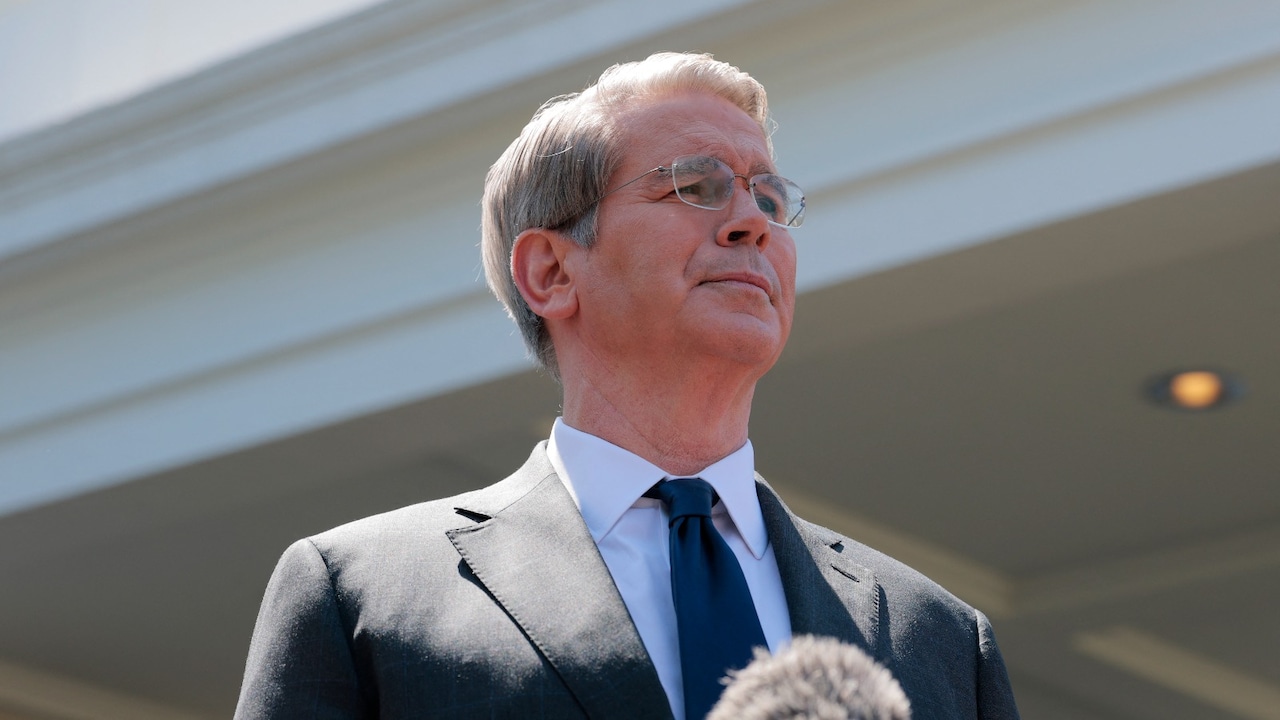
Consider what happens next: Treasury Secretary Scott Bessent stepped forward with an assertion that sent immediate ripples through the financial exchanges. A deal to fling the strait wide open, he suggested, could materialize in a matter of hours.
Behind those official statements lies a high-stakes psychological chess match. President Donald Trump publicly claimed that active negotiations were humming along after a massive military strike was called off at the eleventh hour. According to the White House, regional powers and intermediaries from Oman and Qatar stepped in, carrying messages back and forth across the Gulf.
Yet, walk down the corridors of Tehran's foreign ministry, and the narrative fractures. Official spokesmen flatly deny any direct dialogue with Washington, insisting that any ongoing conversations involve only regional neighbors like Oman regarding technical shipping corridors. It is a dance as old as diplomacy itself. One side shouts progress from the podium; the other whispers denials through state media, each managing domestic pride while the clock ticks down.
Consider the reality on the ground, or rather, in the air and sea. Following intense military campaigns earlier in the year, Iran's traditional naval projection and air capabilities have been heavily degraded. The pressure is immense. Yet, the diplomatic friction persists over who dictates the rules of passage. Washington demands total, unhindered freedom of navigation for global commerce. Tehran balances on the tightrope of sovereignty, eyeing proposals—similar to joint management models used in the Strait of Malacca—that might let them save face while untying the commercial knots.
The stakes are staggering. Millions of barrels of oil hang in the balance, alongside the economic stability of nations thousands of miles away that have no voice in the maritime standoff. Regional mediators continue to shuttle between capitals, trading drafts of memoranda and security guarantees under blinding desert heat.
The tanker crews remain at anchor, staring at the glassy surface of the Gulf. Whether an agreement drops today or tomorrow, the invisible walls holding back the lifeblood of international trade are trembling. The water is waiting to flow again.