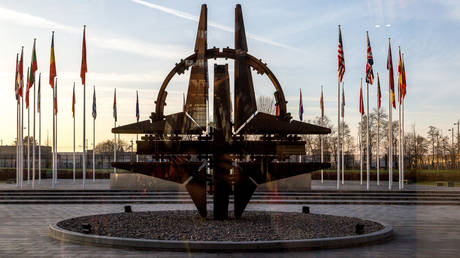
Telling an adversary not to worry while you actively practice dropping atomic bombs is peak geopolitical theater. When NATO officials calmly stepped up to microphones to insist that their annual Steadfast Noon nuclear exercises were totally routine, nothing to sweat, and entirely predictable, the absurdity of modern nuclear signaling was on full display.
You don't need a degree in defense strategy to realize that practicing nuclear war operations while tensions sit at a multi-decade high is going to ruffle some feathers in Moscow. Yet, alliance leaders keep pushing a very specific script. They want the world to view these drills as mere calendar maintenance rather than a flashing neon warning sign.
The Mechanics of Steadfast Noon
Every autumn, the 32-nation alliance dusts off its playbook for atomic conflict. The drills involve dozens of aircraft—including advanced fighter jets and strategic bombers capable of carrying nuclear payloads—operating out of bases primarily hosted in countries like Italy. Ground personnel practice loading dummy munitions, refueling under pressure, and running through the frantic logistics of a real atomic exchange.
The official line from Brussels is strict: no live weapons are used, the maneuvers happen at roughly the same time every year, and they aren't tied to whatever localized crisis happens to be dominating the news cycle.
Why Routine Doesn't Mean Harmless
Calling something "routine" doesn't strip it of its psychological impact. If you walk past your neighbor's house every single day while carrying a baseball bat, it might be your routine walk to the park. But if your neighbor happens to be loading a shotgun on their porch, they aren't going to care that you take that exact path every Tuesday.
Moscow has spent months rattling its own sabers, threatening to deploy its entire arsenal if its strategic exclave of Kaliningrad faces Western blockades or isolation tactics. Russian diplomats routinely warn that European capitals are dragging the continent closer to a point of no return. Against that backdrop of mutual hostility, NATO's insistence that Russia should simply look away and ignore the fighter jets screaming across European skies feels disingenuous at best.
The Game of Strategic Messaging
Deterrence only works if the other side believes you have both the capability and the political will to pull the trigger. That's why these drills are public relations exercises wrapped in military camouflage.
For decades, these specific nuclear drills were shrouded in heavy secrecy. Even the codename Steadfast Noon remained classified until relatively recently. Today, the strategy has flipped entirely. NATO wants the cameras rolling. They want satellite imagery to pick up the movements. They want Moscow's intelligence apparatus to see the precision, the scale, and the multi-national coordination.
When NATO's head of nuclear policy tells reporters there's no reason to worry, they are playing a double game. They are signaling defensive posture to their own domestic populations while simultaneously flashing red warning lights toward the Kremlin. It's a public relations dance where nobody is actually supposed to relax.
Reading Between the Lines
The reality on the ground is that both sides are locked in an escalating spiral of psychological warfare. Russia tests submarine-launched ballistic missiles in the North Atlantic, and the West responds with massive air exercises. Both sides claim their actions are purely defensive, deterrence-based, and scheduled well in advance.
When you strip away the bureaucratic language and diplomatic euphemisms, nobody is actually expecting the other side not to worry. The entire point of flying nuclear-capable jets near a hostile border is to cause a little bit of anxiety. If Russia weren't worried, the drills wouldn't be doing their job.
Expect more of this high-altitude posturing. As long as diplomatic channels remain frozen and proxy conflicts simmer, the routine autumn dance of nuclear readiness will continue to be framed as peaceful normalization, even when everyone in the room knows the stakes have never been higher.


