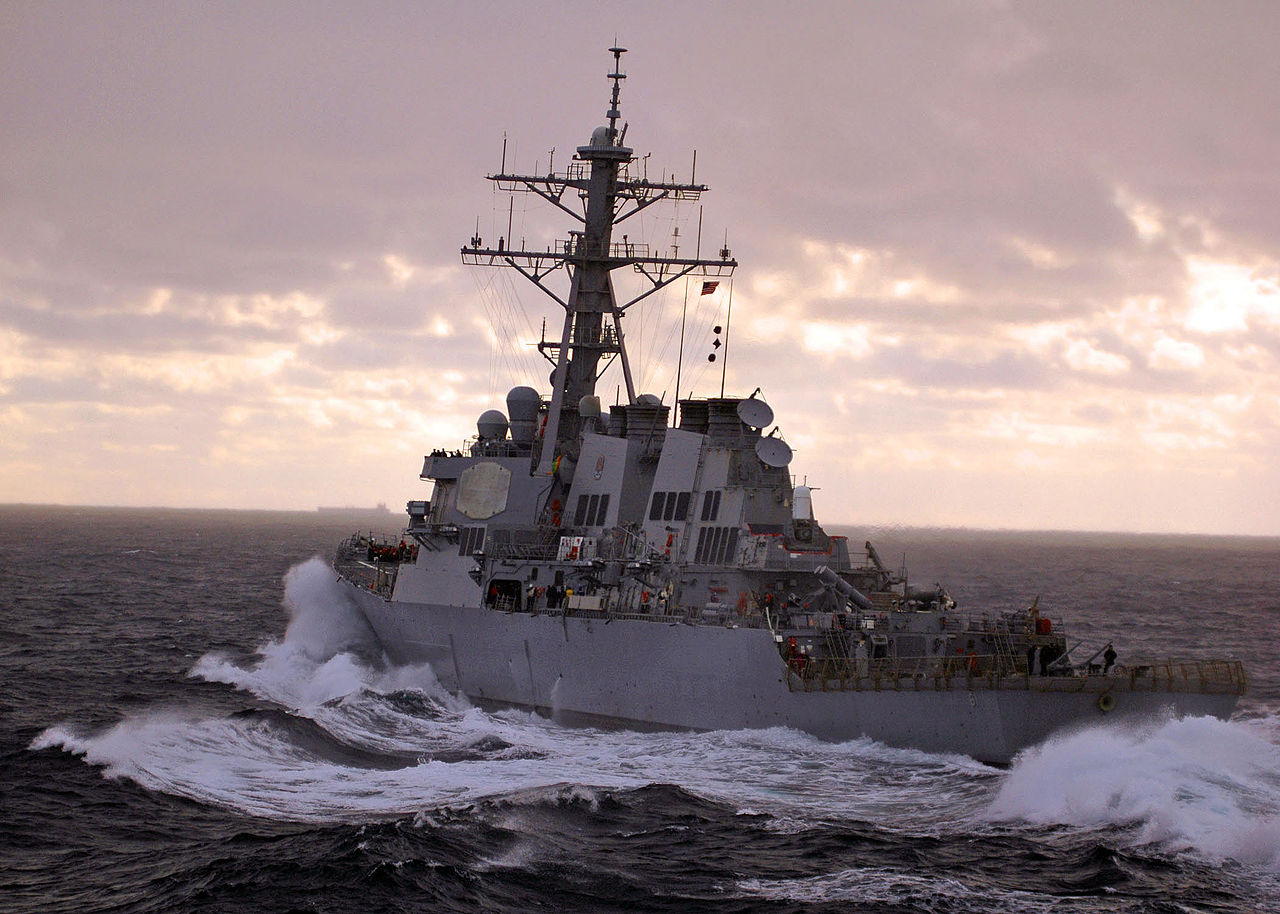
Bilateral naval exercises between premier maritime nations rarely serve as simple gestures of diplomatic goodwill. They function as high-resolution operational stress tests, designed to evaluate interoperability, communication latency, and tactical alignment under simulated threat conditions. The arrival of INS Trishul at Plymouth for Exercise Konkan 2026 represents a precise intersection of strategic signaling, force modernization, and bilateral doctrine integration between the Indian Navy and the United Kingdom Royal Navy.
To understand the mechanics of this deployment, one must deconstruct the variables that govern modern coalition naval operations: transit logistics, electromagnetic spectrum management, and anti-submarine warfare synchronization.
The Operational Logistics of Long-Range Power Projection
Deploying a guided-missile frigate like INS Trishul—a Talwar-class variant—from Western Indian operating areas to the English Channel requires a carefully engineered logistical footprint. Naval vessels operating far from home-port infrastructure face critical resource constraints regarding fuel burn rates, maintenance intervals, and supply chain continuity.
The transit involves navigating multiple strategic chokepoints, including the Bab-el-Mandeb, the Suez Canal or the Cape of Good Hope detour depending on regional security dynamics, and the Mediterranean basin. Each segment introduces specific variables into the vessel's operational lifecycle:
- Fuel efficiency curves change as a function of sea state and sustained transit speed.
- Onboard technical systems undergo continuous thermal and mechanical stress, requiring predictive maintenance routines by the engineering crew.
- Diplomatic clearance protocols and port logistics in foreign harbors demand precise scheduling to ensure rapid turnaround times for replenishment.
When INS Trishul docks at Plymouth, the focus immediately shifts from transit endurance to tactical integration. The Royal Navy’s Devonport naval base acts as the operational hub for the UK phase of the exercise, offering the necessary deep-water berths, secure communications infrastructure, and administrative support for combined staff work.
Tactical Integration Vectors in Exercise Konkan
Exercise Konkan is structured to test specific warfare domains where Allied interoperability is most difficult to achieve. Modern naval combat operates at millisecond speeds, driven by data links that must transmit complex sensor pictures between platforms built by different defense industries.
Electronic Warfare and Spectrum Dominance
In contemporary maritime conflict, electromagnetic spectrum management dictates tactical survival. INS Trishul and Royal Navy surface combatants must operate within a shared electronic environment without causing mutual interference or exposing vulnerabilities to simulated adversary intelligence collection.
The exercise protocols test joint emission control (EMCON) policies, cooperative electronic attack responses, and the synchronization of decoys. Success in this domain relies on standardized tactical data links (TDLs) that translate raw radar and sensor inputs from Indian and British platforms into a unified common operational picture (COP). Any latency in data translation creates tactical blind spots, making low-latency software integration a primary evaluation metric for both navies.
Anti-Submarine Warfare Complexity
Subsurface warfare remains the most technically demanding discipline in blue-water operations. The waters around the British Isles present unique acoustic challenges due to complex bathymetry, strong tidal currents, and high ambient shipping noise density.
During Exercise Konkan, INS Trishul’s onboard sonar suites—ranging from hull-mounted systems to active-passive towed arrays—must coordinate with Royal Navy air assets, such as Merlin helicopters, and surface anti-submarine units. The operational mechanics require:
- Handing off acoustic tracks between surface vessels and airborne dipping sonars without losing contact.
- Establishing common acoustic intelligence databases to differentiate between friendly submarines, allied units, and regional threats.
- Executing simulated prosecution drills under strict safety margins, measuring the time elapsed from initial acoustic contact to simulated weapon release parameters.
Strategic Objectives and Deterrence Signaling
Beyond tactical drills, bilateral exercises serve a distinct diplomatic and strategic function. The deployment of frontline Indian naval assets to European waters reinforces a shared commitment to a rules-based international order, freedom of navigation, and open sea lanes across the Indo-Atlantic continuum.
By operating side-by-side in the North Atlantic and adjacent European waters, both naval commands validate their ability to project power far beyond their immediate regional spheres of influence. This capability deters potential adversaries who rely on anti-access/area-denial (A2/AD) networks, proving that allied coalitions can reconstitute combat power across global oceans with minimal friction.
Future Projections for Bilateral Maritime Doctrine
As naval warfare shifts toward autonomous systems, hypersonic anti-ship threats, and distributed lethality, exercises like Konkan must evolve beyond traditional gunnery and communication drills. Future iterations will likely incorporate unmanned underwater vehicles (UUVs), counter-drone network integrations, and artificial intelligence-assisted threat evaluation tools.
The immediate imperative for both the Indian Navy and the Royal Navy is to institutionalize the lessons learned from the Plymouth deployment, turning temporary interoperability into permanent procedural synchronization. The effectiveness of future coalitions will not be measured by the number of ships deployed, but by the speed with which disparate fleets can think, decide, and act as a single tactical entity.



