Morning roll call is supposed to be routine. Teachers glance around the room, check off names, and dive straight into the lesson plan. But in the mountainous terrain of Rasuwa district, that simple daily ritual has turned into a painful exercise in grief.
When the catastrophic glacial collapse and flash floods tore through northern Nepal, communities along the Bhote Koshi and Trishuli rivers were wiped out in minutes. Months later, the human toll is still being counted, and the country's education system is facing an unprecedented crisis. Discover more on a related subject: this related article.
The Empty Desks in Rasuwa
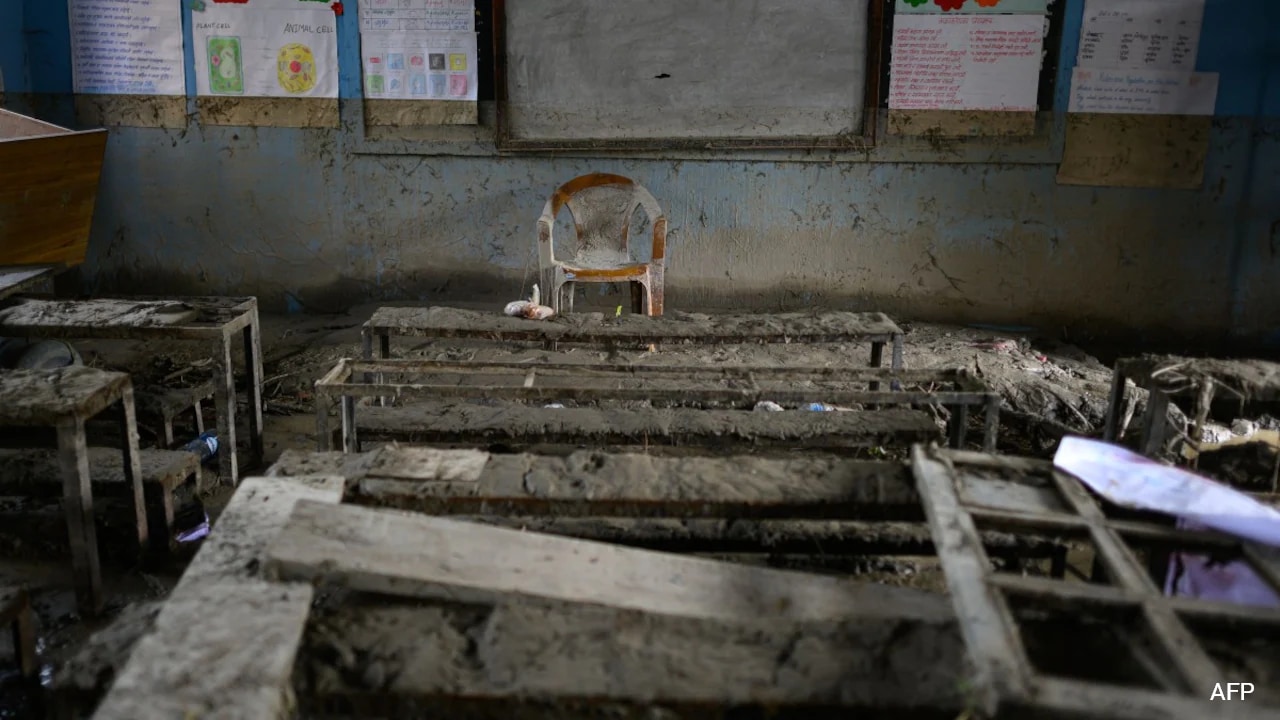
At Neelakantha Secondary School, the building itself managed to survive because it sits on higher ground. Yet survival didn't mean escaping unscathed. The school lost 70 students and four teachers to the sudden wall of water and debris.
Walking into classrooms now means confronting glaring absences. Teachers mark red circles beside the names of children who never made it back from the riverside settlements. Principal Madhav Lamichhane notes that finding a single family in the district untouched by tragedy is nearly impossible. Everyone shares the same heavy burden. Further reporting by Associated Press explores comparable perspectives on this issue.
Government numbers paint a grim picture across the region. Roughly 500 students and two dozen teachers remain unaccounted for, while dozens of schools suffered heavy structural damage. Repair costs are estimated in the millions, but money alone won't rebuild shattered daily routines.
Logistics and Lost Infrastructure
Getting children back into classrooms is an uphill battle against geography. Even for schools that remained standing, physical access is broken. Roads have vanished, suspension bridges hang in shreds, and journeys that once took hours now require grueling detours.
Fewer than half of the enrolled students at Neelakantha have managed to return to classes. Roughly 150 children are completely cut off because the paths they used to walk no longer exist. To complicate matters further, some surviving classrooms are currently serving as emergency distribution hubs for food, blankets, and temporary shelter materials.
UNICEF and local aid groups have rushed to establish temporary learning spaces and deliver supplies, but the scale of the destruction dwarfs the immediate aid response. Disrupted learning affects over 14,000 children across the hardest-hit zones, leaving an entire generation vulnerable to prolonged educational gaps.
The Psychological Aftermath
Infrastructure can be rebuilt with concrete and steel, but the invisible scars run much deeper. Teachers report that surviving students struggle intensely with focus and anxiety. Many watched their friends get swept away or lost their entire immediate families.
Relief packages provide necessary calories and shelter items, but they don't heal trauma. Educators on the ground emphasize that long-term recovery depends heavily on structured psychosocial support. Without professional mental health intervention and safe, permanent infrastructure designed to withstand future climate shocks, the classrooms of northern Nepal will remain haunted by the ghosts of a single morning.
Nepal Floods | School MOURNS Lost Children | World News
This news report provides a firsthand look at the classrooms in Nepal where teachers are navigating the emotional aftermath of the devastating floods and marking attendance for missing students.