When a massive flash flood tears through a mountain valley, standard emergency responses break down within minutes. That brutal reality became painfully clear following the devastating floods along the Bhotekoshi and Trishuli river corridors in Nepal. Weeks after the disaster struck, rescue teams faced a haunting puzzle inside the 111-megawatt Rasuwagadhi Hydropower Project tunnel. Ninety-three workers vanished underground, swallowed by a subterranean labyrinth choked with mud, boulders, and debris.
Inside the Rasuwagadhi Tunnel Search
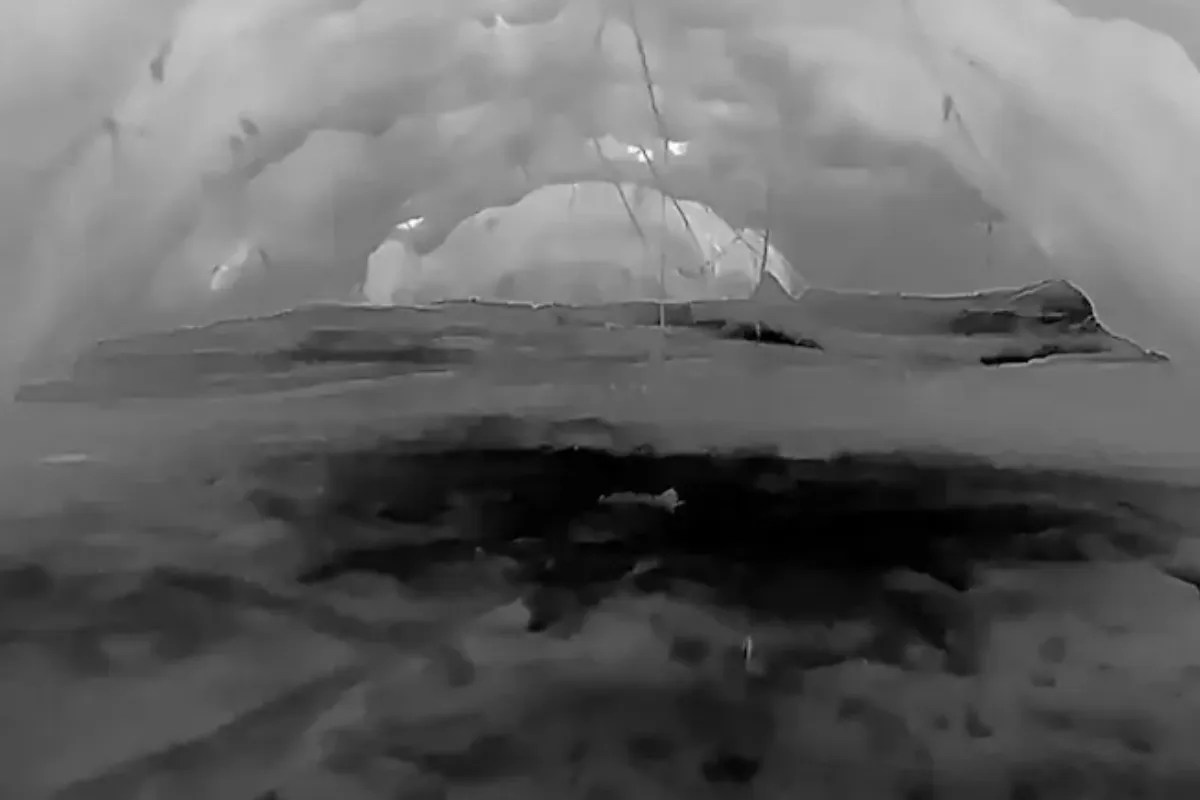
Rescuers didn't just rely on shovels and guesswork. High-tech equipment, including thermal drones piloted by specialists like mountaineer Manish Maharjan, went deep into the blackness of the flooded shaft. The aerial footage captured an eerie, grey-scale look at the tunnel's far end.
It found nothing.
No heat signatures. No movement. Just tons of compacted silt and rock. The absence of life signs on the thermal feed forced the Nepal Army-led teams to temporarily halt operations in that specific section and retreat to Dhunche.
If you think a drone solves a subterranean crisis instantly, you're missing the physical nightmare underground. Flash floods moving down glacial valleys don't trickle; they hit with violent, explosive velocity. Anyone caught working deep inside a hydro tunnel didn't get a warning grace period. They were caught in an instant high-intensity rush of water and mud.
The Wider Crisis Across Hydropower Projects
The Rasuwagadhi site is just one piece of a much larger catastrophe. Across Rasuwa and Nuwakot districts, roughly 933 workers across 11 different hydropower projects were reported missing as the disaster unfolded.
Sites like Upper Trishuli-1 and Upper Trishuli-3B bore the brunt of the devastation, with hundreds of construction workers and operational staff trapped or swept away. The math of disaster response here is brutal:
- Tunnels act as natural traps, catching tons of gravel, mud, and water.
- Heavy machinery struggles to clear blocked shafts choked by unstable rock faces.
- Rain keeps falling, turning rescue zones into active danger areas for the recovery crews themselves.
While international specialists from India and China rolled in with heavy excavators, controlled explosives, and specialized medical teams, progress remains agonizingly slow. Recovering bodies from compressed silt requires millimeter-by-millimeter excavation. You can't just bulldoze a blocked underground tunnel without risking a total ceiling collapse.
Why Technology Hits a Wall in Mountain Disasters
We live in an era where people expect drones, satellites, and AI to find every lost person on earth. But caves and hydro tunnels form a worst-case environment for modern electronics. Thermal cameras read surface heat signatures. If bodies are buried beneath three feet of wet, dense mud and rock, thermal imaging registers nothing.
The limits of these tools expose a harsh truth about engineering in fragile Himalayan ecosystems. Mountain hydro projects bring economic growth and electricity to growing populations, but they also carve massive underground cavities into unstable fault lines. When climate-driven glacial bursts or unseasonal cloudbursts hit, these tunnels turn into death traps.
Nepal's authorities have requested specialized international assistance, including DVI (Disaster Victim Identification) tools, DNA kits, and high-capacity clearance gear from global partners. Yet, the physical barriers remain formidable.
Look past the headlines and you see the real bottleneck: nature moves faster than heavy machinery. Until governments mandate stricter early-warning telemetry inside deep-shaft construction sites, underground workers will remain uniquely vulnerable when the mountains give way. Check your local emergency infrastructure plans if you live near active alpine construction zones, because once a flash flood hits a river corridor, technology can only do so much after the fact.



