Leaving home for university or college is supposed to be about packing too many clothes, learning how to cook something other than toast, and navigating freshers' week. It shouldn't be about worrying over a life-threatening bacterial infection. Yet, a sudden change in how Meningitis B is behaving in the UK has forced health officials to launch a massive, unprecedented emergency vaccination drive.
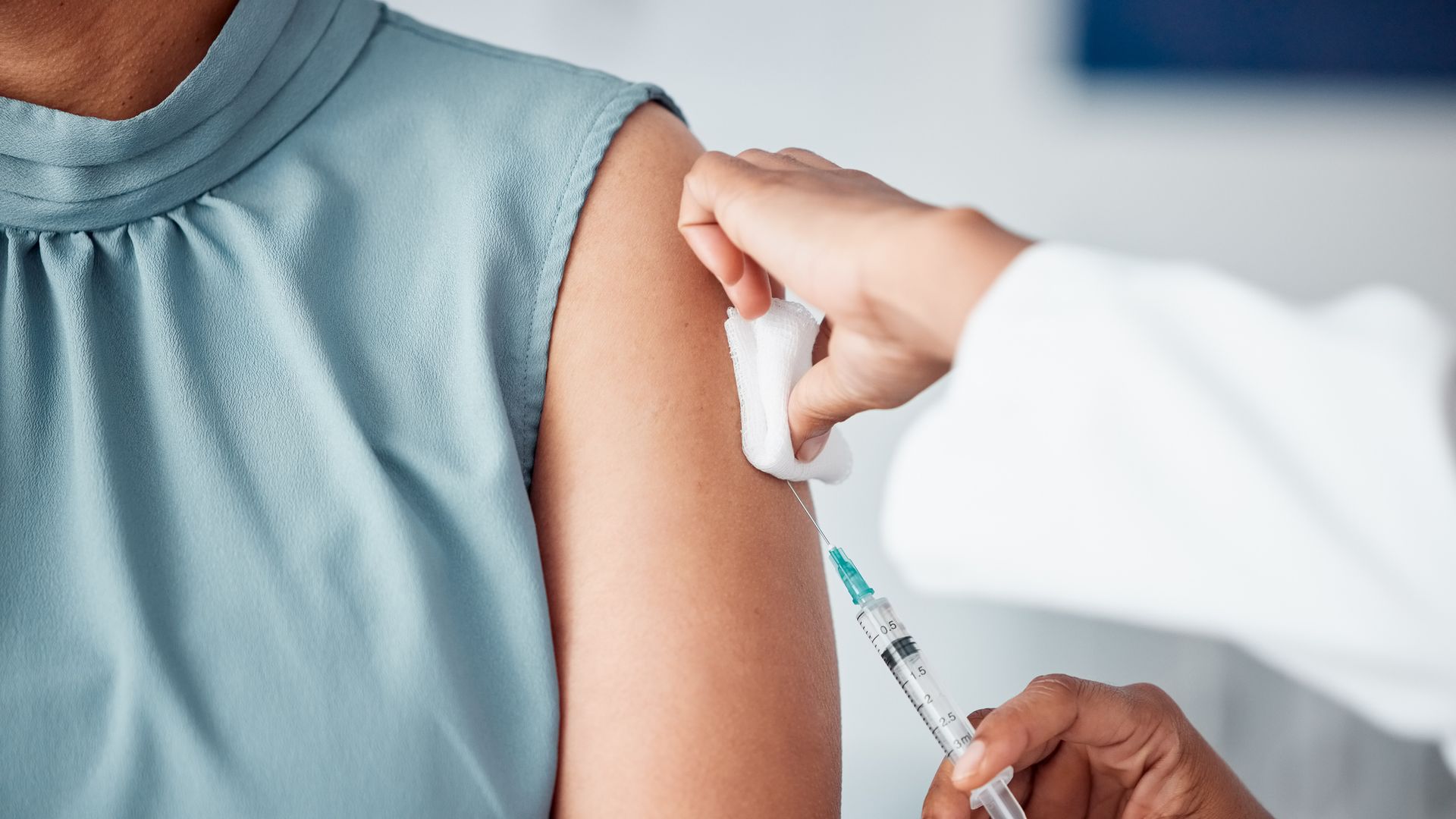
Around one million young people across the UK are about to be offered the Meningitis B (MenB) vaccine on the NHS. This is a one-off, time-limited campaign triggered by a string of aggressive outbreaks, including a devastating cluster in Kent earlier this year that killed two teenagers. Meanwhile, you can find related developments here: Why the New Medicaid Frailty Rule Is a Paperwork Nightmare in the Making.
If you or your teenager are finishing Year 13 or heading to campus for the first time this autumn, you need to understand how this rollout works. This isn't a routine upgrade to the usual school jab schedule. It's an urgent response to a protection gap that leaves an entire generation of young adults vulnerable to a disease that can kill within hours.
The Gap in Student Immunity
Most teenagers heading to university assume they are already fully protected against meningitis. You probably remember getting a jab in Year 9 or 10. That was the MenACWY vaccine. While that injection is incredibly effective, it only covers four strains of meningococcal bacteria: A, C, W, and Y. It offers absolutely zero protection against the B strain. To explore the full picture, check out the recent article by Mayo Clinic.
The UK became the first country to introduce the MenB vaccine (Bexsero) into its routine infant immunisation schedule back in September 2015. Because the infant programme only started then, the teenagers finishing secondary school right now just missed the cutoff. They were born right before the rollout began, leaving them with no natural or vaccine-induced immunity to this specific strain.
According to data from the UK Health Security Agency (UKHSA), MenB has accounted for roughly 83% of all invasive meningococcal disease cases in England over the last year. While the disease is thankfully rare, the risk peaks sharply in two distinct age brackets: infants and 18-to-19-year-olds.
First-year university students face a risk about seven times higher than young people of the same age who stay at home. The reason isn't a mystery. Cramming hundreds of young adults from different parts of the world into shared halls of residence, crowded lecture theatres, and packed nightclubs creates the absolute perfect environment for respiratory bacteria to spread.
Inside the Decisive Shift in NHS Policy
For years, the Joint Committee on Vaccination and Immunisation (JCVI) resisted a mass rollout of the MenB jab for teenagers. The argument always came down to cost-effectiveness and the fact that the protection offered by the Bexsero vaccine is thought to wane after roughly six years. Because cases were relatively low, routine adolescent vaccination wasn't deemed necessary.
The tragic events in Canterbury, Kent changed everything. An unprecedented outbreak earlier this year resulted in 21 confirmed cases and the heartbreaking deaths of two teenagers, including 18-year-old Juliette Kenny. Her family, alongside charities like Meningitis Now and the Meningitis Research Foundation, campaigned fiercely for a policy shift. Smaller, unexpected clusters in places like Dorset and Berkshire soon followed.
Health Secretary James Murray openly admitted that these recent clusters indicate a possible mutation or shift in how MenB is affecting young adults. Rather than waiting for months of retrospective data analysis, the government chose to act decisively ahead of the autumn term.
Medical experts have noted that while the different regional outbreaks involved slightly varied sub-strains of the bacteria, the Bexsero vaccine covers all of them. This massive intervention is a pragmatic circuit-breaker designed to prevent a wave of autumn campus outbreaks.
Exactly Who Can Get the Jab This Summer
Because this is a time-limited emergency response, the eligibility criteria are strict. The NHS isn't opening this up to every young adult, but rather targeting the specific age cohort entering the highest-risk window.
You are eligible for the free two-dose MenB vaccine if you fall into these categories:
- School Leavers: Anyone finishing Year 13 in England and Wales this summer who was born between 1 September 2007 and 31 August 2008. This applies whether you are going to university or not. The equivalent groups include S6 students in Scotland (born between 1 March 2008 and 28 February 2009) and Year 14 students in Northern Ireland (born between 2 July 2007 and 1 July 2008).
- University Freshers: Any undergraduate student turning up to university or residential further education for the first time this autumn, provided you turn 25 after 31 December 2026.
- Halls of Residence Movers: Anyone turning 25 after 31 December 2025 who will be moving into further education accommodation or accommodation blocks for the first time this autumn.
- International Students: Any international student under 25 coming to the UK for their first year of undergraduate study.
If you are a second- or third-year university student, or a postgraduate student, you aren't eligible for this free NHS rollout. The JCVI is currently reviewing whether to make this a permanent, routine part of the adolescent schedule, but for now, it's strictly for the incoming freshers and school leavers.
The Practical Challenge of a Two-Dose Summer Timeline
Getting the vaccine isn't a matter of turning up for a single quick injection before moving day. The Bexsero vaccine requires two distinct doses to build full, robust immunity.
The timeline is incredibly tight. The first doses will become available from 20 July. The second dose must be administered at least 28 days later, which pushes the booster into late August. Once you receive that second dose, it takes your body another two weeks to build up maximum protection.
From start to finish, the process requires a six-week window. If you wait until you arrive on campus in late September to think about this, you will spend the highest-risk weeks of freshers' season completely unprotected.
| Phase | Timeline | Action Required |
|---|---|---|
| Dose 1 | Late July onwards | Year 13s will be contacted by the NHS (via app, text, or letter). Others must book directly. |
| Dose 2 | Late August onwards | Must be given at least 28 days after the first injection. Can be arranged at local pharmacies. |
| Immunity Window | 14 days post-Dose 2 | The time required for the body to develop full protection against the B strain. |
Logistics will be a headache for many families. August is peak holiday season, and many school leavers will be away. Dr Julian Spinks, a GP in Kent, raised valid concerns about how community clinicians will manage to deliver second doses during the summer holiday lull.
To combat this, the government is routing the rollout primarily through community pharmacists rather than overstretched GP surgeries. If you miss your second dose in August due to travel, health officials have confirmed you can still get it in September. The core message from NHS England is simple: don't delay the first dose just because the second dose date looks inconvenient. Get started as early as July.
Spotting the Signs That Matter
Vaccines reduce risk drastically, but no shot is 100% effective. Knowing the symptoms of meningitis is still vital. It's a disease that mimics a bad hangover or a heavy flu in its early stages, which makes it incredibly dangerous for students who might just try to sleep it off.
Bacterial meningitis causes inflammation of the lining around the brain and spinal cord. It can also cause septicaemia, which is blood poisoning. The classic "glass test" rash—where a purple or red rash doesn't fade under pressure—is a late-stage symptom. You cannot afford to wait for a rash to appear before seeking medical help.
Look out for a combination of these warning signs:
- A sudden, severe headache accompanied by an intensely stiff neck.
- Extreme sensitivity to bright lights (photophobia).
- A sudden high fever combined with unusually cold hands and feet.
- Confusion, drowsiness, or difficulty waking up.
- Rapidly worsening muscle pain or joint aches.
If you or a flatmate show these symptoms, call 999 or get straight to the nearest emergency department. Speed is everything. Dr Thomas Waite, England's deputy chief medical officer, repeatedly reminds the public that MenB is fatal in up to 10% of cases, and early antibiotic treatment saves lives.
What to Do Next
If you are eligible, sitting around waiting for a letter isn't the best strategy. Take control of the timeline so you're protected before step one on campus.
If you are currently in Year 13, keep a close eye on your NHS app notifications, text messages, and emails from late June into July. Make sure your contact details are updated with your current GP surgery.
If you are an international student or an under-25 undergraduate heading to a UK university from abroad, the UKHSA advises trying to secure your first MenB dose in your home country during July if it's commercially available. If not, booking an appointment with a UK community pharmacy the moment you arrive is your top priority.
For those heading into shared housing or halls who don't fit the strict NHS criteria, the vaccine is available privately on the high street through major pharmacy chains. It's expensive, but if you can afford it, it closes an otherwise exposed flank in your personal health defense.
Check your eligibility, look out for the NHS booking alerts in mid-July, and get that first appointment locked in before the summer holidays slip away.