Everyone is popping champagne because forty-five percent of India exports dodge the fresh ten percent tariff hammer. The Commerce Ministry drops a press release, financial media regurgitates the percentages, and boardrooms across Mumbai and New Delhi breathe a collective sigh of relief.
They are celebrating an illusion. For an alternative view, read: this related article.
Focusing on what escapes the tariff misses the structural transformation happening right beneath our feet. I have watched supply chain executives blow millions chasing exemptions while the real tectonic plates shifted underneath them. Protectionism is not a set of static tax percentages you can dodge with clever paperwork or product reclassification. It is a shifting architecture of economic warfare, and treating a half-exempt export ledger like a clean bill of health is professional malpractice.
Let us dismantle the lazy consensus. Related insight on this matter has been provided by MarketWatch.
The Exemption Trap
The standard narrative goes like this: if nearly half your shipments clear the hurdle unscathed, you keep your margins, the American buyer stays happy, and trade carries on as usual.
That logic relies on static thinking.
When a government imposes targeted duties, trade flows do not just bypass the taxed sectors; they adapt, mutate, and eventually drag the exempt sectors into the administrative crosshairs. Companies high-fiving over exemptions today are ignoring the compliance overhead, the intensified scrutiny on country-of-origin rules, and the weaponization of non-tariff barriers.
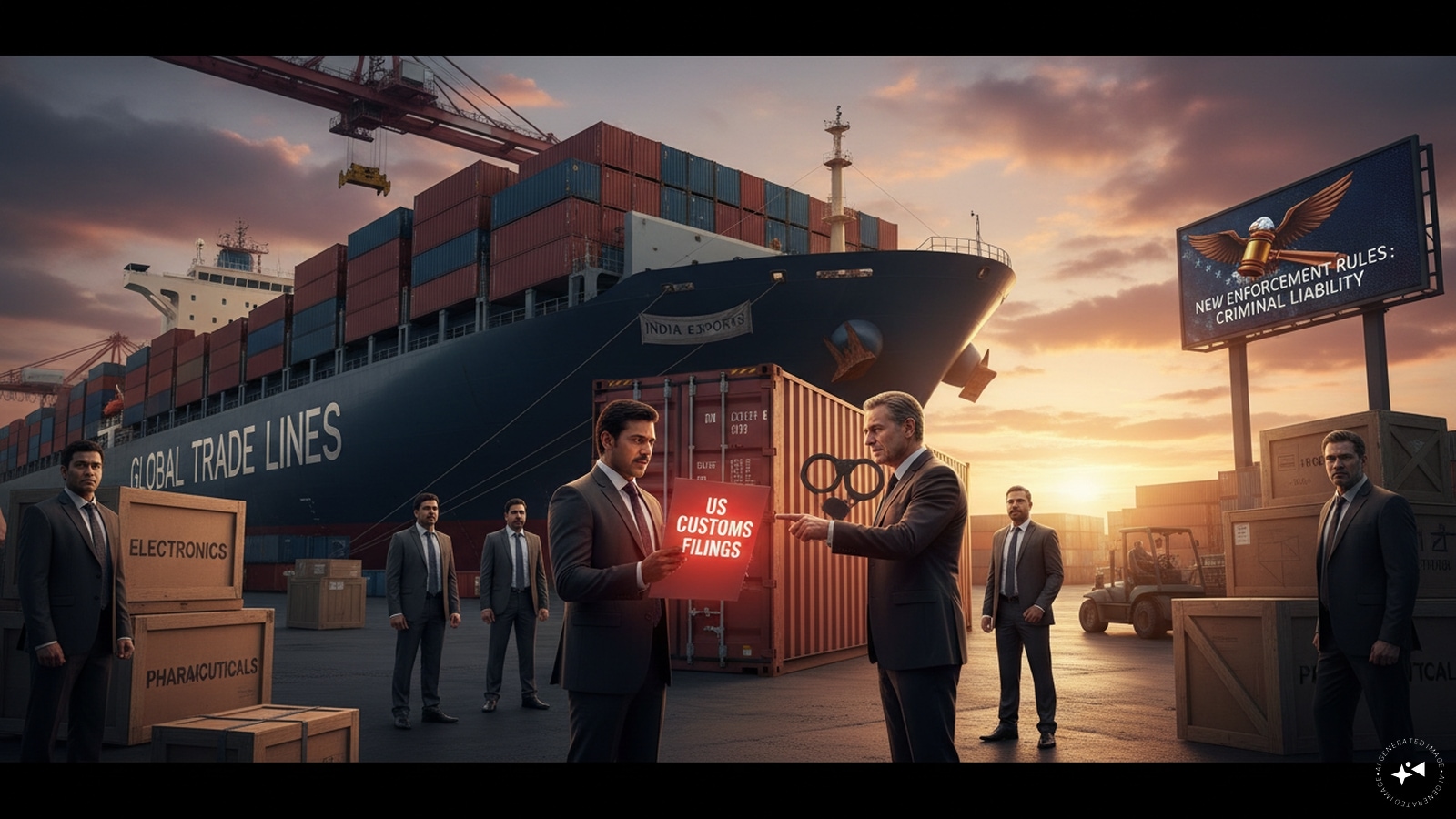
Imagine a scenario where a manufacturing plant in Gujarat exports two product lines. Product A faces the new ten percent levy. Product B sits safely in the exempt column. Management shifts focus entirely to pushing Product B, thinking they outsmarted Washington. Within six months, US customs officials flag a suspicious surge in Product B imports from that exact facility, triggering a comprehensive audit that locks up both product lines in port gridlock for weeks.
The exemption was never a shield. It was a countdown timer.
The Real Cost of Compliance
Trade ministries love headline numbers because percentages sound precise. Forty-five percent sounds like half a victory. But trade is not decided by percentages on a spreadsheet; it is decided by transaction friction.
Every time a major trade policy shifts, the bureaucratic drag increases exponentially. To prove your goods belong in that forty-five percent bucket, you need documentation, traceability audits, and legal counsel that eats into whatever margin you saved by dodging the duty.
Let us look at the heavy hitters in international trade logistics. Firms operating at scale know that compliance costs scale non-linearly. When you add mandatory origin verification, data reporting requirements, and the sheer administrative bloat required to satisfy jittery customs agencies, the financial difference between a taxed export and an exempt one shrinks into a rounding error.
The downside of this contrarian approach? Admitting that dodging a tariff through technicalities often costs more in legal fees and operational delays than simply absorbing a lower margin or restructuring the supply chain from the ground up. But ignoring that reality is how businesses go bankrupt while looking profitable on paper.
Stop Asking the Wrong Questions
People tracking these announcements constantly ask: Which sectors made the cut, and how fast can we pivot our production lines toward those specific categories?
That question assumes the rules of the game remain fixed while you move your pieces.
The better question is: How do you build an export engine that renders arbitrary government duties irrelevant because your value proposition is too strong for a buyer to substitute?
If your competitive advantage depends entirely on whether a bureaucrat in Washington classifies your widget under a specific harmonized system code, you do not have a business strategy. You have a lottery ticket.
Look at the firms dominating global markets right now. They are not sweating over quarterly tariff adjustments because they control proprietary tech, unmatched speed to market, or localized ecosystems that competitors cannot replicate regardless of tax rates.
The Execution Playbook
If you want to survive the current trade climate, drop the defensive crouch.
- Audit your reliance on loopholes. If your primary margin defense is a ministry exemption, treat that product line as if it has a strict expiration date. Build out genuine product differentiation immediately.
- Factor friction into pricing. Calculate total landed cost, not just port-to-port shipping and tariff rates. Include the probability-weighted cost of customs delays and compliance audits.
- Localization beats border hopping. Moving factories from one low-cost labor market to another just to stay ahead of changing tariff walls is a game of diminishing returns. Invest in deep regional integration where your customers actually operate.
The forty-five percent exemption is a headline designed to keep markets calm and executives complacent. Stop reading the press releases. Start rewriting your cost structures before the rules change again tomorrow.