The era of the open-ended American visa is officially over.
On July 16, 2026, the Department of Homeland Security (DHS) dropped a massive regulatory hammer. The agency is eliminating the long-standing "duration of status" system, which previously allowed international students and foreign media members to stay in the United States as long as they remained enrolled in school or employed by their outlets.
Instead, the government is implementing rigid, fixed time limits.
Under the new final rule, international students on F visas and cultural exchange visitors on J visas will be capped at a maximum of four years. Foreign journalists on I visas will see their stays slashed to just 240 days.
For Chinese media professionals, the policy is even harsher. They will be limited to a mere 90 days at a time.
This isn't just a minor bureaucratic shift. It's a fundamental restructuring of how the US manages legal entry. It creates immediate, stressful hurdles for hundreds of thousands of people. Here is what you need to know about the new rules, why they are happening, and how they will actually impact real lives.
The Death of Duration of Status
For decades, the "duration of status" policy was a massive draw for global talent. If you got into a university, you stayed until you graduated, whether that took three years or seven. If you were a foreign correspondent, you reported on American politics for as long as your network kept you on the beat.
DHS claims those days are over because the volume of visitors has become unmanageable.
The agency pointed to a massive surge in arrivals. In fiscal year 2024, the US recorded over 1.8 million international student admissions. The country also welcomed more than 500,000 exchange visitors and over 37,000 media workers.
According to DHS, this volume makes it incredibly difficult to monitor and vet who is actually doing what they said they would do. They cited instances of individuals stretching out student or exchange statuses to live in the US for decades without proper oversight.
The administration’s fix is simple: put everyone on a tight clock.
How the New Rules Hit Students and Exchange Visitors
If you are an international student planning to study in the US, the ground has shifted beneath your feet.
Historically, completing a degree was a relatively smooth immigration process. Now, the four-year cap means anyone pursuing a longer degree program—like a PhD, a double major, or a medical degree—will have to go through the bureaucratic headache of applying for a visa extension mid-program.
The new rules also introduce highly restrictive stipulations for graduate students:
- No changing educational paths: Graduate students are now prohibited from changing their "educational objectives" without starting over or facing heavy scrutiny.
- No unauthorized transfers: You cannot easily transfer to another university without explicit, formal authorization.
- Slashed grace periods: After graduation, students previously had 60 days to prepare to leave, transfer, or find employment. That grace period has been cut in half to just 30 days.
The 30-day grace period is a brutal change. Finding an employer willing to sponsor a high-skilled visa in just four weeks is nearly impossible. This change will force many brilliant graduates to pack up and leave immediately, diverting highly educated talent directly to competitor countries like Canada, the UK, or Germany.
The 90-Day Reality for Chinese Journalists
While students face a tightening of the screws, foreign media professionals are facing an outright collapse of their normal working conditions.
Limiting most foreign media visas to 240 days is incredibly disruptive. It means foreign news outlets will have to constantly cycle through correspondents or spend thousands of dollars in legal fees filing constant extension requests.
But the 90-day limit for Chinese journalists (excluding those from Hong Kong and Macau) is purely political.
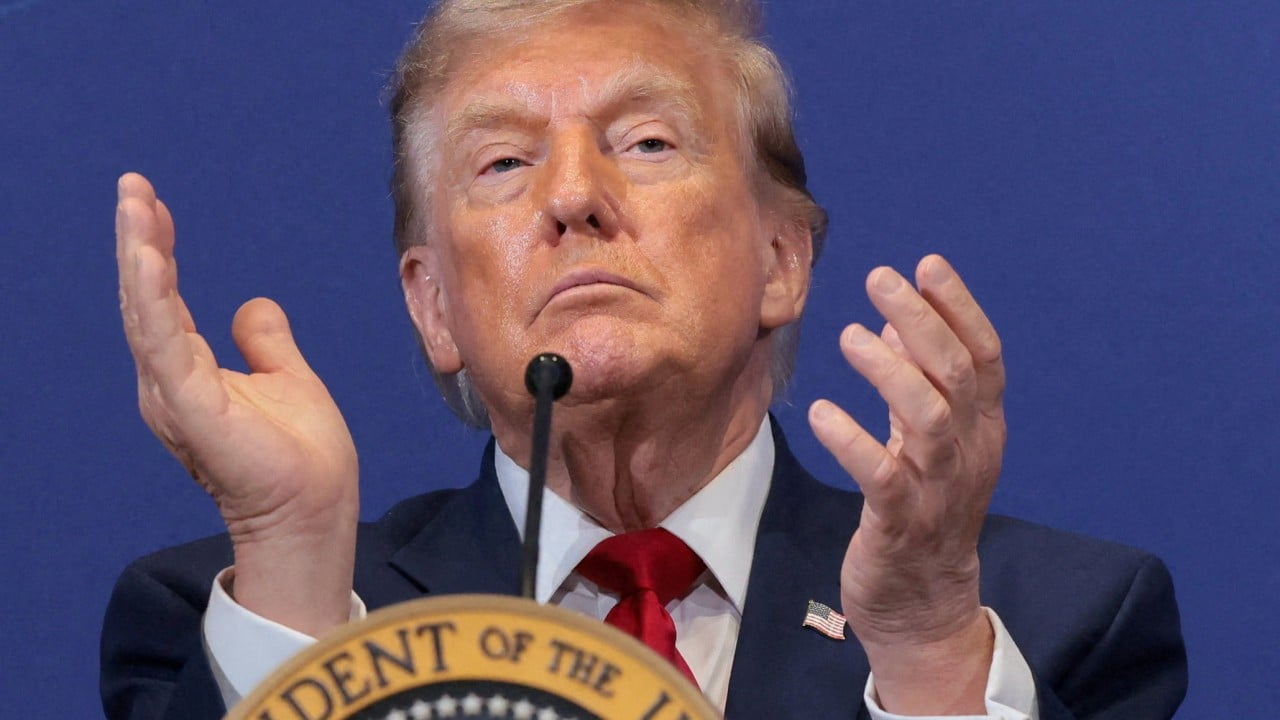
This isn't a new battleground. The first Trump administration tried to implement a similar 90-day rule in 2020 during the height of pandemic-era tensions. It was later relaxed under the Biden administration to a one-year limit. Now, it is back, and it is as restrictive as ever.
The Chinese Foreign Ministry has previously labeled these targeting policies as highly discriminatory.
The real danger here is reciprocity. When the US squeezes Chinese journalists, Beijing almost always retaliates by squeezing American journalists operating in China. We have seen this movie before. It usually ends with expulsions of reporters from major outlets like The New York Times or The Wall Street Journal. Ultimately, this tit-for-tat dynamic degrades global reporting and leaves the world with less reliable on-the-ground news from both global superpowers.
What Happens Next?
The rule is set to take effect 60 days after its official publication in the Federal Register. Because it is a final administrative rule, it does not require congressional approval to go into effect, though Congress technically has a rarely used mechanism to reject it.
If you are currently in the US on an F, J, or I visa, or if you are planning to arrive for the upcoming academic term, you need to prepare for this new regulatory reality immediately.
Here is what you should do right now:
- Audit your timeline: Check your program end date. If your degree program or research project is scheduled to take longer than four years, you must coordinate with your university's international student office early to map out the extension process.
- Shorten your post-grad job hunt: Do not wait until graduation to look for employment. With your post-graduation grace period slashed from 60 to 30 days, you must secure job offers and visa sponsorships months before you walk across the stage.
- Prepare for travel hurdles: If you need to extend your stay, you may have to travel outside the US and re-enter to gain readmission. Budget for extra travel expenses and potential processing delays at US consulates abroad.
- Expect intense vetting: Keep immaculate records. Since the stated goal of these rules is to allow DHS to better vet visa holders, make sure your course loads, employment records, and housing information are always fully documented and compliant.